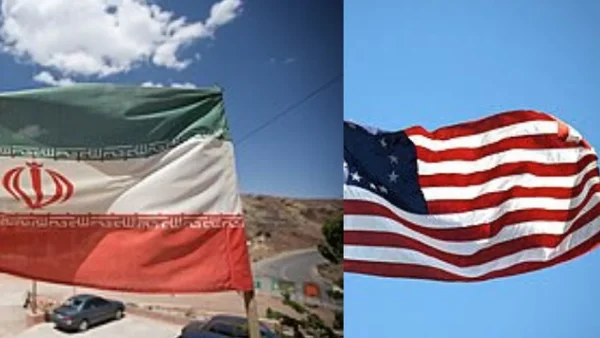
Ilahi says that whether things are stable now rests with those who started the conflict. Iran didn’t want to fight, but did react to continuing attacks, even while they were in discussions with others, and this current period of quiet isn’t a true ceasefire or a lasting peace.
Questions for nations hit by energy shock
He doesn’t think the current pause in fighting is a genuine end to hostilities. He believes it happened because, after weeks of fighting, the military goals set by those involved were not going to be achieved, and the area is now suspended between fighting and a final solution. This is causing disruption to the world economy and making it harder to get energy. Strangely, Ilahi says, the countries suffering the most aren’t asking those he blames for causing the trouble to do something about it, and the effects are being felt by all businesses and people.
Ilahi repeatedly questioned why the countries paying for the war aren’t putting pressure on the US and Israel to halt their actions. He says factories are closing, people are working fewer hours, and restaurants are shutting down, all because of this larger instability. He wants governments to demand fairness and justice from those who began the conflict, saying the responsibility lies with them, and Iran is still prepared to defend itself.
Here are the key positions Ilahi outlined during the briefing:
– The situation is ‘no war, no peace’
– Iran was forced into conflict by repeated attacks
– The current lull is not a real ceasefire
– Global stability depends on ending aggression
– Affected nations should press the US and Israel
Negotiations and contested claims of attacks
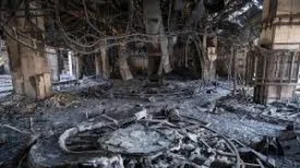
He explained that diplomatic efforts began in Oman and moved to Geneva and were going well until attacks suddenly stopped them. He states that these attacks were aimed at Iranian leaders and ordinary people, and says thousands have died and tens of thousands have been injured. (These numbers and claims were presented as Ilahi’s statements during the press conference.) He says that schools, hospitals, universities, and basic public services have been damaged, and a primary school was even hit, killing 175 girls.
Despite all of this, Iran will not accept a complete and unconditional surrender. Instead, Tehran decided to hold its ground, and respond in self-defense, while continuing to be threatened and attacked.
Strait of Hormuz and India’s passage
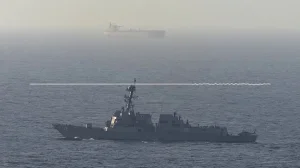
Regarding the sea, Ilahi said the Strait of Hormuz has been open for a long time and Iran has spent a lot of money to make sure it stays that way. Even their opponents have been able to use it, and no one complained when things flowed normally. He links the current problems in the Strait to the actions of the US and Israel, saying that things will go back to normal if those who began the war will make it so. Iran, he insists, can’t by itself fix a situation that others have made unstable.
Turning to India, Ilahi emphasized the long, strong relationship between the two countries, including education and trade. He said Iran allows Indian ships to go through the Strait of Hormuz – showing how much they trust each other – and is confident that the relationship will remain strong.
What next: call for international pressure
Ilahi’s main point is that the conflict needs to be stopped by those who began it in order to have stability. He asks countries experiencing higher energy prices and uncertain supplies to clearly state their position and push for an end to what he calls aggression.
He also criticized what he sees as the attitude of powerful countries who believe they can tell others what to do. And when asked about mediation, he questioned whether it’s right for one country to tell others not to do business with certain places.
He says life in Iran is generally normal, with people still going to work, farming, and carrying on with their lives. However, they are ready to defend themselves if they have to, which reinforces his idea that this isn’t a full-blown war, but it’s also not a sure thing that peace will happen.
He repeated that Iran didn’t want the conflict, and had tried many times to avoid it getting worse. But he says they had to respond to attacks even as they were trying to have diplomatic talks.
Ilahi believes that the way to get back to normal is for the actions of the US and Israel to stop. He says that doing so would help the energy market, lessen the financial hardship for people, and bring stability back to shipping.
He says that those he accuses of “starting” the conflict are completely responsible for what happens next. Until they act, he suggests the region will be in a very delicate, and easily broken, pause, with the chance of fighting starting again always present.
Ilahi’s comments will probably be noticed by the governments of many countries as they watch energy prices and the security of shipping lanes. For India specifically, his emphasis on continued access to shipping and the long history between the two countries highlights how important consistent trade and discussion are to New Delhi.
He finished by saying the world needs to be fair. If everyone puts pressure on those he has named, it could end this cycle of things getting worse and move the region from “neither war nor peace” to a stable, lasting calm.
Iran will not accept being told to surrender completely, but is still open to talking. Throughout the entire meeting, his message was the same: stop the attacks, lessen the burden on the countries that are being harmed, and restore stability to the region and the shipping routes through it.