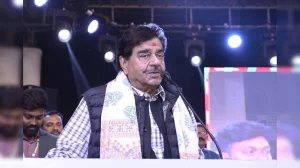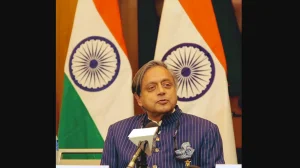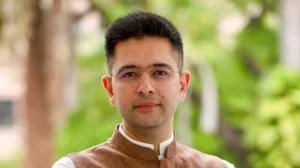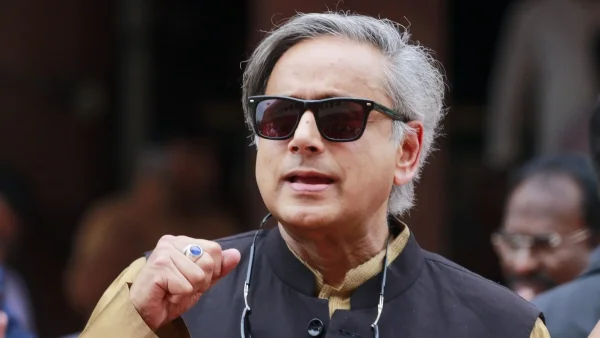
Shashi Tharoor is using the Delhi High Court to safeguard his right to be himself, and it happens to be right in the middle of India’s rapidly growing problem with AI deepfakes and people pretending to be him online. This case demonstrates that public figures are feeling a more and more urgent need to stay in control of their name and appearance before computer programs do it for them.
The case is scheduled for a hearing on Friday with Justice Mini Pushkarna. Court documents show Tharoor has named specific people, and also “John Doe” defendants-which is a way of including wrongdoers when their identities aren’ (aren’t) known. We don’t know exactly what Tharoor is asking the court to do, but the general direction of his request is obvious.
Why Tharoor’s move matters now
The Delhi High Court has had a huge increase in cases about personal rights as AI-created content, deepfakes, impersonations online, and unauthorized endorsements are becoming more common. Courts are increasingly getting involved to protect famous people from having their identities used to make money without their permission.
Here is what is at stake when identity is misused:
– Fake endorsements dilute reputation
– AI clones hijack voice or likeness
– Morphed images mislead audiences
– Impersonation confuses voters and fans
Who already secured legal shields
This court protection now extends to people in entertainment, business, sports, and religion. Film stars Allu Arjun, Mohanlal, Kajol Devgan, R Madhavan, N. T. Rama Rao Jr., Aishwarya Rai Bachchan, and Abhishek Bachchan have all received rulings in their favor. Bollywood actor Salman Khan has also filed a similar lawsuit.
But it’s not only movie actors. Entrepreneur Aman Gupta, former cricketer Sunil Gavaskar, and Andhra Pradesh Deputy Chief Minister Pawan Kalyan have all had successful cases. Spiritual leaders Sri Sri Ravi Shankar and Aniruddhacharya, and Telugu actor Nagarjuna have also had their rights confirmed. Journalist Sudhir Chaudhary got protection from what he said were fake and AI-generated videos designed to mislead. A “John Doe” order protected podcaster Raj Shamani, who the court said is very well known in India’s online content world.
What comes next in court
Tharoor’s request will be examined on Friday. In cases like these, courts usually tell people, websites, platforms and unknown individuals to stop taking advantage of someone’s identity without their agreement. We don’t yet know the specifics of what Tharoor is asking for, but the “John Doe” strategy allows for a fast response even when those responsible are hiding.
What personality rights actually cover
"Personality rights” – sometimes called “publicity rights” or “celebrity rights” – are about an individual’s ability to control how their identity is used for business purposes. This includes a person’s name, voice, picture, signature, how they look, their habits and anything else that makes them recognizable, and which could be misused to sell things, influence people or trick them.
India doesn’t have a single law that specifically covers this area. Instead, courts have said that personality rights are part of the constitutional rights to privacy, respect and a good reputation, and they’ve used copyright and laws against unfair competition to prevent confusion and to stop people gaining an unfair benefit.
Courts commonly order these immediate checks:
– Block fake advertisements and misleading videos
– Take down AI-generated deepfakes and morphed images
– Stop unauthorised merchandise and counterfeit branding
– Restrain social media impersonation and lookalike accounts
The bigger signal for creators and brands
This current trend isn’t just about widely known actors. With podcasters and journalists also winning cases, it’s clear that people who create content primarily for the internet are also covered by these protections. For companies and platforms, the increasing number of cases at the Delhi High Court is a serious warning: they need to be much more careful about getting permission, checking who people are and making sure endorsements are legitimate, before the next deepfake appears.
Regarding Tharoor, the court’s decision will be carefully observed. In a world where a copied voice or altered video can spread incredibly quickly, legal protections are quickly becoming the first thing a public figure can do to defend themselves.