The sailors near Iran’s Khorramshahr port report that each night became about just surviving, with the loud noise of missiles and drones overhead, very little food, and no sleep. Some of them finally got to Mumbai last week after being stuck near the Strait of Hormuz for over a month and getting away in fifteen days.
A chokepoint under fire
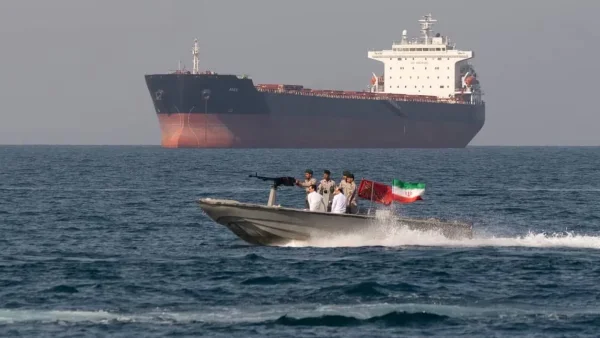
The Strait of Hormuz is only 17 kilometers wide, but it’s a hugely important route for oil and liquefied natural gas, normally carrying about a fifth of the world’s supply. The Joint Maritime Information Centre says approximately 138 ships went through the Strait each day before the fighting started in February.
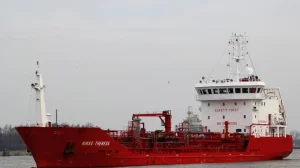
When the fighting got worse, ships began to move very slowly and people became very uncertain about trade around the world. The Ilda, a cargo ship from Iran carrying building materials to Dubai, was one of the ships caught by the increasing restrictions and closing routes.
Nightly blasts and no sleep
Tithi Chiranjeevi, a 28-year-old Indian sailor on the Ilda, remembers constant bombing near Khorramshahr. He told a news organization that 10 to 20 missiles hit every night, and no one could get any sleep, and that the usual work on a ship turned into simply trying to survive.
As food supplies got smaller and communications stopped working, the sailors could no longer contact their families. Chiranjeevi couldn’t speak to his mother, who is a widow, in Visakhapatnam. Anant Singh Chauhan, from Dewaria in Uttar Pradesh, was worried they ‘wouldn’t get home’.
Scale of disruption and human cost
During the worst of the blockage, at least 2,000 ships were stranded around the Strait, and the people on them were worried and in danger. At least three Indian sailors have been killed by the violence in the area, which is making people more and more insist on safer ways to travel through it.
India provides the third highest number of sailors globally, with 300,000 of them as of last September, according to the government. The government says it has brought around 3,000 sailors home safely from the Gulf area, and at least 23 of those arrived this week.
One sailor who returned said the fifteen-day journey through Iraq and Dubai happened with the sounds of explosions all around. Another said that drones and missiles were going off near the port, as reported by a global news agency about their trip.
Key numbers to know
The following figures explain the stakes and the response so far:
– About 138 ships crossed the Strait daily before February
– At least 2,000 vessels became stranded near the chokepoint
– At least three Indian seafarers have been killed
– About 3,000 Indian sailors were repatriated from the Gulf
The long road home
For Chiranjeevi and Chauhan, getting out of Iran involved a long, fifteen-day route through Iraq, Armenia, and Dubai to Mumbai. This change in route shows how quickly problems with shipping affect things on land, making journeys longer and costing more money.
Both men had borrowed 4,50,000 rupees from family and lenders to get jobs on ships that travel internationally. They’ve used up all their savings, and now are in debt even though they are relieved to be home. Chauhan said in Mumbai that it feels “like being born again.”
What comes next
Officials are continuing to bring people home as sailors leave the stuck ships and return. Those in charge and the shipping industry will be carefully watching the security situation, because any interruption at this important point can affect shipping times and the cost of energy.
Those sailors who spent weeks being attacked are now concentrating on getting better and contacting loved ones. Chiranjeevi, for example, had been at sea for six months before the blockage, and then had to endure nights of explosions, empty food supplies, and not being able to use the phone.
This situation made it clear how easily important shipping routes can be disrupted, and the effect on the people who keep them going. What the sailors have said shows a simple fact: when a narrow waterway is closed, the whole world is affected, and the people on the ships are the first to experience the consequences.