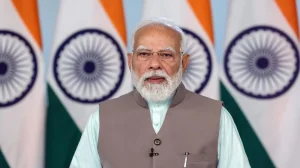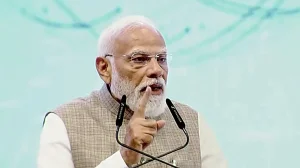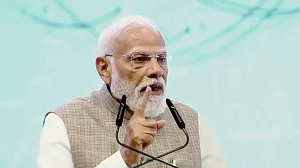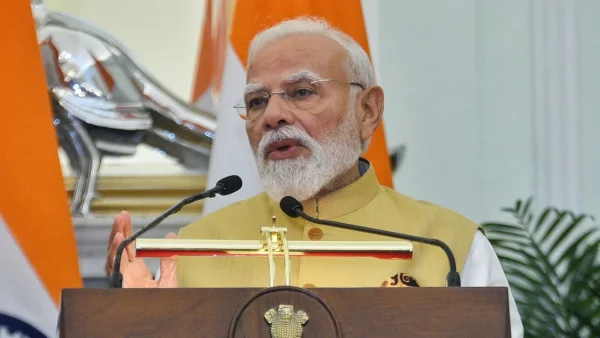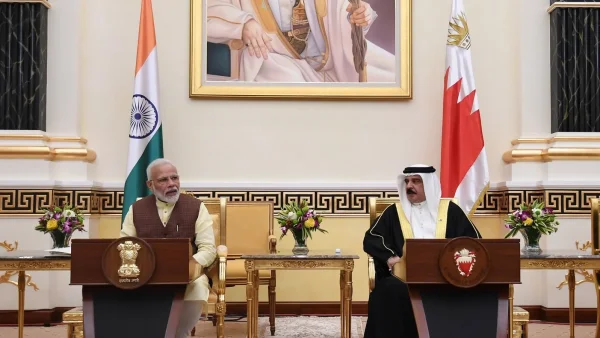
On Friday, Prime Minister Modi had a phone conversation with King Hamad Bin Isa Al Khalifa of Bahrain. He condemned the attacks on energy and ordinary people’s resources in the Middle East, and also highlighted how much is at risk for the economy and people generally. This conversation supported India’s efforts to have safe shipping and to protect Indian citizens in the Gulf.
Conversation highlights and official message
Modi called the conversation a “good one”, and sent the King and the people of Bahrain wishes for Eid al-Fitr. He summarized the discussion on X (formerly Twitter) and expressed India’s worries about how stable the Middle East is.
Both leaders said that tensions need to be reduced immediately. Modi specifically said he opposed attacks on energy and civilian buildings, and how these cause a chain reaction affecting the world’s economies and people’s lives.
Impact on energy, food and fertilizer security
The Prime Minister explained that attacks on energy facilities directly affect how much fuel the world has, and indirectly affect the availability of food and fertilizer. When energy doesn’t flow smoothly, it raises the cost of making and transporting goods in many industries.
Experts explain that if oil or shipping from the Gulf are stopped, prices will quickly go up and there will be less available for countries that are struggling. India, which buys a lot of oil and the parts for fertilizer, will feel economic and political effects from this unpredictability.
Freedom of navigation and keeping shipping lines open
A central point of the conversation was the ability to travel freely through important sea routes. Modi repeated how important it is to keep shipping routes open and safe, in particular at places like the Strait of Hormuz where many ships go.
When shipping is interrupted, the costs of insurance and insurance for war risks for oil tankers go up, which changes how goods are traded and how much they cost. Continuing without problems to move goods by sea is very important for energy security and for the world’s ability to continue trading.
Broader diplomatic outreach and coordination
This phone call with the King of Bahrain was Modi’s second direct conversation with him since the situation became more intense following attacks on Iran earlier in the year. Prime Minister Modi has been in quick contact with many leaders in the Middle East and other places, asking them to calm the situation and talk.
Modi has also spoken with leaders in Oman, Qatar, Jordan, France, Malaysia and other countries. He and many of these leaders have emphasized talking, reducing tensions and all working together diplomatically to bring back stability and to avoid a wider negative impact on the economy.
Support for the Indian community in the Gulf
Modi thanked the King of Bahrain for continuing to help the Indian people who live in Bahrain. Because of the closing of airspace in the region affecting travel, officials in India and the Gulf countries have been working together to find other routes and provide assistance to Indian citizens.
Thousands of Indian citizens in the Gulf depend on the governments working together quickly to help them leave if necessary and to generally look after them. Providing help to Indian citizens in the Gulf and making sure they can travel safely are India’s main concerns at the moment.
Policy implications and next steps
The phone call shows that India is combining diplomatic pressure (getting people to talk), protecting its business interests, and being concerned for people. India is pushing for safe transport of goods by sea while at the same time telling everyone to avoid doing anything that would make the situation worse and damage the world’s supply of goods.
In the future, continued cooperation between many countries and practical steps to defend energy and shipping facilities will be necessary. His conversation with the King of Bahrain shows that New Delhi intends to remain actively involved in making the Middle East more stable and protecting both India’s important interests and the safety of its citizens.