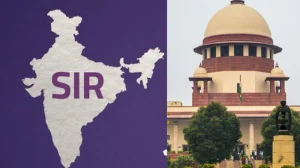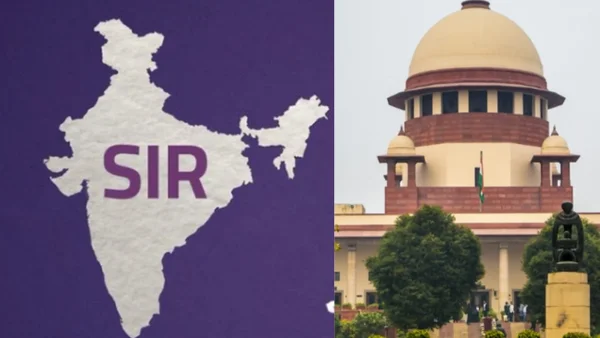
The Supreme Court is requesting this report because of allegations that the tribunals for the Special Intensive Revision (SIR) in West Bengal aren’t operating correctly. Specifically, the Court is checking claims that lawyers aren’t being allowed to be present and that filing is being done exclusively on computers and the internet.
What prompted the court to act
Senior Advocate Devadatt Kamat told a Court team led by Chief Justice Surya Kant and Justice Joymalya Bagchi that the tribunals are refusing to let people make their case to them in person. Lawyers aren’t being allowed to appear, and tribunals are only accepting applications via the internet.
The Court’s head expressed his annoyance that the Supreme Court is hearing about SIR issues again and again. Despite this, the Court agreed to officially ask the Chief Justice of the Calcutta High Court for a report the same day to find out if the tribunals are following the correct process.
Structure and purpose of the appellate tribunals
The Calcutta High Court established 19 tribunals to hear appeals from the SIR process. These were designed to deal with challenges to people being removed from or left off the updated list of voters, and to resolve concerns about people being incorrectly included.
These tribunals are being led by retired judges and former heads of High Courts. Their purpose is to offer a quick and easy solution for voters who were affected by the updates to the voter list before the state election.
Supreme Court directions and legal timeline
On April tth, the Supreme Court used its power under Article 142 of the Constitution to tell the Election Commission to release an additional, revised list of voters. The Court said that if appeals are settled by April 21 or April 27, 2026 (depending on which of the two election rounds it’s for) then the rulings from those appeals should be used.
The Court made it clear that just because an appeal is waiting to be decided doesn’t mean someone who was removed from the list gets to vote. Only appeals that the tribunals decide by the dates mentioned will lead to people’s names being added to the extra voter list.
Scale of the challenge and practical consequences
Officials say over 3.4 million appeals have been made regarding the SIR, including both requests to be put back on the list and complaints about people being wrongly added. This massive number is putting a lot of strain on the tribunals and those who run the election.
If the tribunals limit who can speak for people, or only do things remotely, voters and lawyers who live far from the places where the hearings are being held will have real difficulties. Lawyers are saying people who have to travel a long way can’t truly get justice under those circumstances.
What the court may consider next
The case is scheduled to be discussed in the Supreme Court on April 24. The Court will look at the report from the Calcutta High Court Chief Justice and decide if the Court’s orders are actually happening. Depending on what the report says, the Court team might give more instructions.
The Election Commission has been instructed to issue the extra voter lists in places where the tribunals are able to decide appeals by the Court’s deadlines. If the report does show there are widespread problems, the Court may think about other ways to ensure its April 13 order is followed.
Implications for voters and the electoral process
The legislative assembly elections in West Bengal are happening in two parts, April 23 and April 29, and the votes will be counted on May 4. Getting the appeals settled quickly is key to making sure people who are allowed to vote aren’t prevented from doing so, and that the voter list is accurate before people go to the polls.
The Supreme Court’s actions are meant to find a balance between the administrative need to finalize things and being fair to people in the process. By asking for a report from the High Court, the highest Court is trying to work out if the tribunals are doing their jobs and if the Election Commission is legally allowed to issue the extra voter lists.