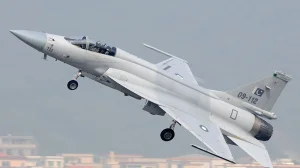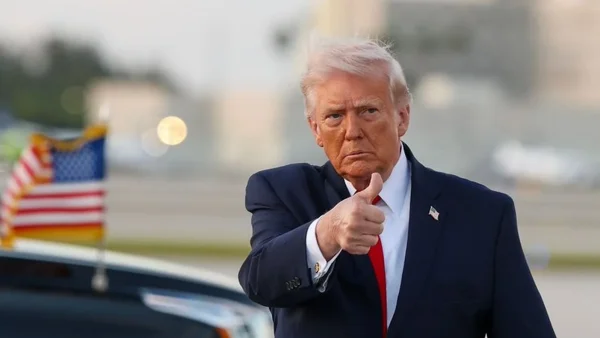
The fighter plane going down over Iran started a hurried, confusing chain of events inside the White House as everyone tried to find the two missing American pilots. Donald Trump was, as some people say, kept from the central command room and reportedly spent hours yelling at his staff while the team worked on the risky rescue.
Initial hours and crisis management
This happened on Good Friday after military officials told the White House that two pilots couldn’
t be found. Commanders quickly thought of ways to find and get the pilots out of Iran, a country where the US military hasn’t operated on the ground for many years.
Why the president was kept out of the war room
A high-ranking staff member explained they deliberately limited how much the President could be involved in the details of the rescue. The White House staff gave the President updates only at important times to stop him from jumping in and potentially ruining the mission or getting people killed.
Military planners and important staff were worried that if the President got directly involved in the specific details of the plan, it could reveal secrets about the operation. They feared his strong feelings and demands for a quick solution would mess up the careful work being done with special forces and intelligence people who were already in the area.
The rescue operation and battlefield challenges
The President apparently brought up the Iran hostage crisis of 1979 and said that’s what he was afraid of happening again because of the damage it did to the country politically. The staff tried to find a middle ground between the President being a strong leader and protecting the complicated, urgent planning from being changed on a whim.
US forces spent over 24 hours rescuing the pilots and faced a lot of difficulties with both the technology and the way they were doing things. The rescue planes had trouble moving in the desert sand, and the planners created distractions to pull Iranian soldiers away from where the pilot had gone down and was going to be picked up.
Public messaging and presidential response
One pilot was rescued quickly. The other stayed in Iran until late Saturday night when a well-planned rescue brought him back to safety. Getting both pilots out avoided what could have been a very serious failure for the US both politically and militarily.
Within just a few hours of getting the second pilot back, the President went back to being very public and aggressive. He posted a very strong, swear-word filled warning on social media to Iran, saying bad things would happen if they continued to cause problems for ships to travel through the area. How he said this and what he said were quickly talked about.
Broader implications for US-Iran tensions and military planning
People who support the administration said the President was calm and collected under pressure. However, people who criticize him said his unstable way of speaking and goals that didn’t seem connected to each other made things even less clear. Experts said the progress on the ground didn’t yet mean there was a clear plan for reducing tensions or winning in the long run.
This incident showed just how little room for mistakes there is when doing operations near or across borders of hostile countries. It also showed that the Strait of Hormuz is still a problem, because of recent ship seizures and clashes which have increased worry in the region and raised the importance of the US Navy and Air Force being there.
What to watch next
It’s said that people considered more aggressive actions, like taking over important islands that affect oil shipping routes. However, the President privately didn’t want to go along with plans the planners thought would cause a lot of American deaths. This showed a difference between the President’s tough public statements and his worry about a large number of American soldiers being killed.
Officials say that military and civilian leaders will continue to work on and improve plans for rescuing people and protecting shipping, keeping in mind the need to discourage Iran and also control the risks. How Washington will deal with future actions by Iran will be based on diplomacy, sharing of intelligence and careful discipline in how they act.