Iran has very directly warned that it could block oil deliveries to the United States, Israel, and countries that support them, all through the Strait of Hormuz. This announcement is a big jump in the growing problems in the area and could seriously interrupt the world’s fragile energy supply and international shipping.
Iran’s Warning and Military Posture
Ebrahim Zolfaqari, who speaks for the Iranian military, said Tehran is moving from small responses to a “strike for every strike” approach. He said Iran won’t let a single drop of oil get to these particular enemies, and ships on their way to those countries will be seen as valid military targets.
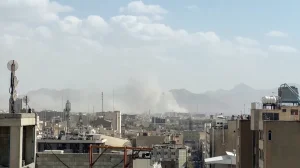
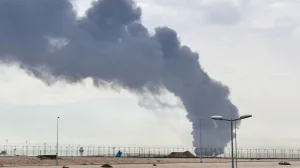
The Islamic Revolutionary Guard Corps has also said they used missiles and drones to attack places they say are connected to the US and its allies’ military. Iran says two ships in the Strait of Hormuz were hit, and one ship carrying goods was set on fire, and people on board had to be rescued.
Zolfaqari also indicated wider actions are planned, naming military bases and supply centers he says are part of the enemy’s military network. This suggests Iran might use its navy to stop ships, launch missiles, and use economic pressure all at the same time and for a long period.
Implications for the Strait of Hormuz and Shipping
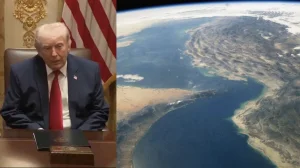
The Strait of Hormuz is a very narrow passage linking the Persian Gulf with the Arabian Sea. Between a fifth and a quarter of the world’s oil goes through this route each day, so it’s extremely important to the world’s energy and trade.
People who own ships and insurance companies have already begun to change things, sending ships a different way or delaying their arrival at ports as they think about the risk. Hundreds of tankers are reported to be waiting nearby for better assurances of safety and to find out what their insurance will cover.
If the attacks continue or the Strait is effectively blocked, it will cost more to ship goods and take longer for them to arrive. There are other routes, but they are longer and more expensive, and that will increase the cost of getting crude oil and gasoline to markets around the world.
Potential Impact on Global Oil Prices
Iran has stated that oil prices could jump to $200 a barrel if security in the region gets worse. Markets usually react quickly to problems in important areas like this, so prices are likely to change quickly and a lot if the threat stays.
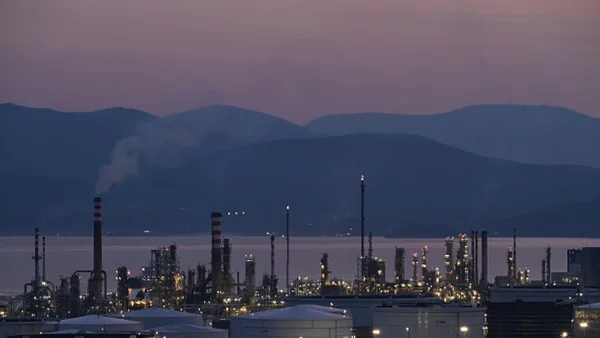
An immediate increase in price could happen after an attack or a blockade, and a continued interruption would mean oil would be sent from other places, and countries might start using their emergency oil supplies. Those who refine oil and trade in oil and gas will be closely watching insurance and shipping news.
Even if the Strait isn’t completely closed, the increased danger, the cost of going around, and a shortage of tankers can significantly raise prices in the near future, and make inflation worse for countries that need to import.
Targets Beyond Military Sites: Economic Threats
Iran has also said that parts of the US and Israel’s economies could be in danger. Government sources have warned about possible attacks on banks and financial institutions and have reported issues at major banks in Iran following previous incidents.
Attacking financial systems would extend the fighting into the world of money, making it harder to finance trade and move money between countries. These actions would raise legal and moral questions and would further upset markets and business in the area.
The combination of military and economic threats means there is a greater chance of harm to civilian buildings and normal commercial shipping, and so businesses are looking again at how much they are involved in the region.
Regional and International Responses
The United States has said it believes some civilian ports used for the military are fair targets, which shows how quickly what is considered protected can change during a serious conflict. Countries in the area are thinking about how to respond with military action, diplomacy, and economic measures.
Experts are saying that a mistake or things getting out of control could bring in more countries and cause problems for a long time. Talking things over, building trust, and having clear rules about how to act are important to avoid making trade routes and energy markets even more unstable.
Right now, markets, shipping companies, and governments are carefully watching the Strait of Hormuz. What happens in the next few days will likely decide if this waterway stays open for business or becomes a place where a crisis starts, and has effects on the whole world’s economy.