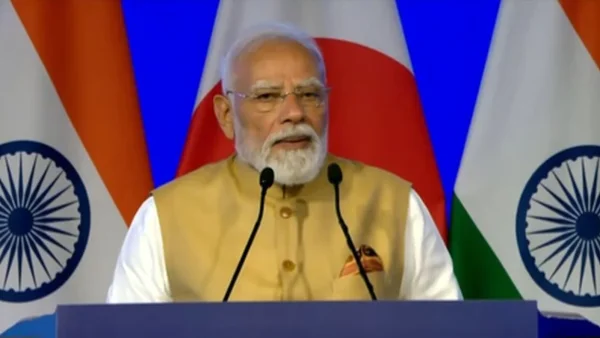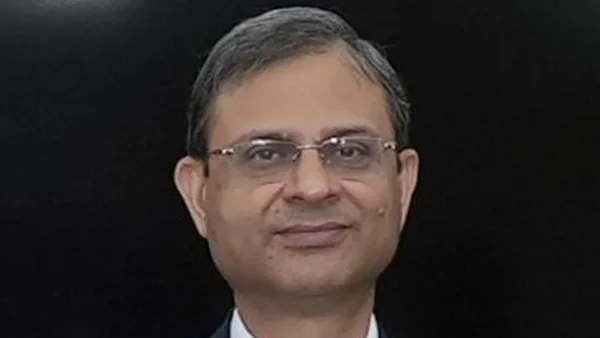
Malhotra said on Friday that the central bank will continue to develop financial markets and get more people to use them, because of the economy’s continuing strength. He emphasized that India is quite resistant to shocks and the RBI is prepared to make sure markets work smoothly, particularly as uncertainty is high around the world.
What the RBI signalled
Indian financial markets have improved because of deliberate decisions by the government, Malhotra explained, but they aren’t as good as they could be. The Reserve Bank will work to make the underlying systems stronger, to improve how well things work, and to protect consumers. It will also prioritize fairness, openness, good business morals, and honest dealing.
The RBI’s position, he added, is that it will keep evaluating and responding to new demands in the market. And if necessary, it will use policy tools to lessen the impact of problems from elsewhere.
Malhotra outlined the central bank’s priorities:
– Deepen financial markets across asset classes
– Broaden participation for investors and borrowers
– Strengthen institutional frameworks and market infrastructure
– Safeguard efficiency and consumer protection
– Ensure fairness, transparency, and ethical conduct
– Stand ready with tools to mitigate spillovers
Growth resilient amid global headwinds
Malhotra highlighted that within India, demand for goods and services is strong, and people are buying a lot. The government has been spending a lot on things like roads and buildings, and this has encouraged private businesses to invest and has increased the economy’s ability to produce.
From 2021 to 2025, India has averaged 8.2 percent growth. In 2025-26 the economy is expected to have grown 7.6 percent, and in 2026-27 growth is predicted to be 6.9 percent.
Companies in India have improved their financial situations because they are earning more. Over the last two years, Indian businesses have continued to get a lot of money from the public market.
Global fragmentation and market risks
Malhotra cautioned that the world’s economies are breaking into different groups, and this is changing how goods are made and how money flows. Because of tariffs, limits on trade and government policies to help industries, capital isn’t moving as freely, and this affects markets globally.
He also mentioned the increasing tensions in the Middle East. Because of damage to energy facilities and disruptions to how energy is delivered, energy prices have gone up quickly and are already slowing down economic activity. If the situation in the Middle East continues, it could lead to a second wave of rising prices.
Malhotra also pointed to other potential problems. Many large countries have a lot of government debt and are still increasing their spending, which makes it harder to get their finances in order. Increased spending on defense, due to global political issues, could make it difficult for countries to manage their budgets. Also, the price of stocks (including some technology companies) is very high, and this creates risks for many markets.
Key external risks the RBI is tracking include:
– High public debt in major economies
– Persistently expansionary fiscal stances
– Rising defence spending pressures
– Elevated energy prices amid geopolitical tensions
– Stretched valuations in parts of equities
Why it matters for investors and institutions
The RBI's pledge to develop the markets and keep them running smoothly is meant to give people a stable expectation, as there is more instability in the world. For those who are in the market, this means that changes will continue and the RBI will step in with policies if needed.
Malhotra stressed that keeping the financial system strong is everyone’s job. He asked institutions that provide the structure for trading (like places that keep records of trades) to improve the quality and availability of data, so that risks can be assessed and effective policies can be created.
He noted that while the markets have improved a good deal in both depth and strength, there are still areas for improvement. Closing these gaps will require cooperation between the people who regulate, those who provide the market structure, and those who participate in the market, to make sure everything is fair, open and ethical.
What comes next
The RBI will keep working on improving financial markets, getting more people to participate, and strengthening the systems that support them. It will also watch for problems spreading from the breakup of the global economy, high energy prices, and how much assets are worth, and will do what is necessary to maintain stability.
Investors should understand two things. The basic factors of the Indian economy are still positive, and the RBI is concentrating on making it strong. As changes continue and it becomes easier to get information, the markets should become broader and more people should take part, even though the world economy will continue to have difficulties.