On Friday the White House said President Donald Trump has approved a 90 day continuation of a permission to ignore the Jones Act to lower energy costs. This means ships from other countries can continue to move fuel, oil and fertilizer between ports in the US until the middle of August. Government people say this is to maintain a steady supply of things during a time of fighting and instability.
What the extension does
The White House also stated that this decision adds about three months to a permission that was going to end on May tth. Essentially, by for a short time not sticking to the rules about which ships can be used in coastal shipping, ships that aren’t from the US can transport important items between places in the US.
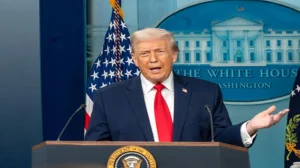
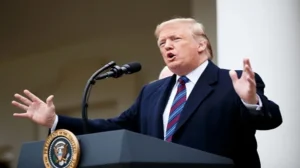
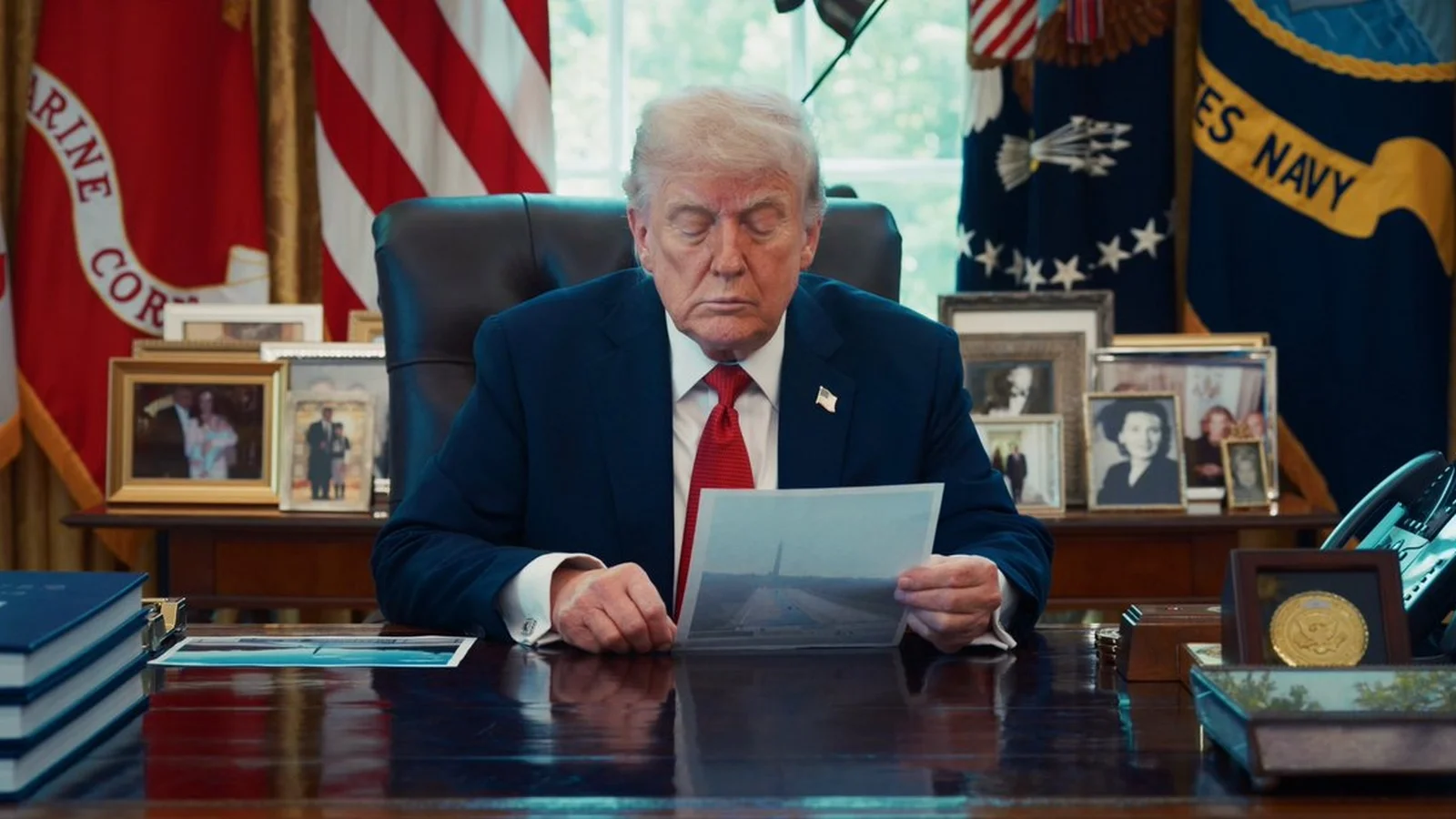
Taylor Rogers, who speaks for the White House, said that Mr. Trump approved the extension on Friday. She said this extension of the permission gives both the US and the world’s economies a feeling of security and stability, and is a way of ensuring a supply of goods when prices are high.
Here are the key details outlined by officials and recent reports:
– Extension runs through about mid-August
– Foreign-flagged vessels can carry fuel, oil, fertiliser
– Original expiry was set for May 17
– Aim is to ease domestic supply constraints
Why it matters now
Reports say energy prices around the world are still going up and down, and international disagreements, and the current issues with Iran, are causing problems with supply chains. These issues are affecting the movement of crude oil and how refineries operate, and increase the chance of shortages in certain areas and a big rise in prices.
The permission is meant to provide refineries with the supplies they need and to help farmers who need a constant supply of fertilizer. The government is trying to make it easier for goods to move and prevent problems in certain areas of the fuel market by allowing more ships to be used.
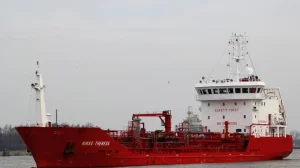
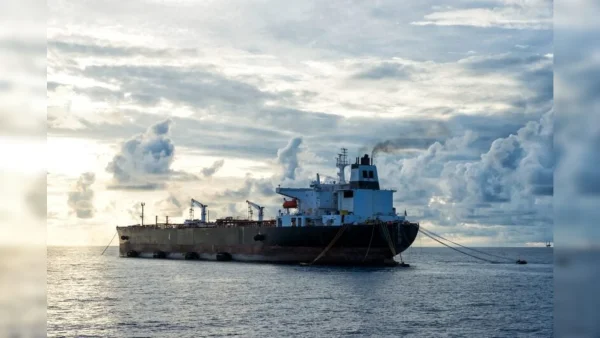
Recently, a tanker flying the flag of Malta carried crude oil from Texas to oil refineries in Pennsylvania. This shows how the exception to the rule is being used to move supplies within the country and get goods to where they are needed.
The Jones Act debate
The Jones Act, a law from 1920, generally says that any goods travelling between US ports must be on ships that were built in the US and fly the US flag. It’s been a point of argument for a long time, as people debate the economic benefits versus the needs of national security.
Those who support the law, including US shipbuilders, workers in the shipping industry and some politicians, say it ensures the US has its own fleet of ships and a merchant marine that can help the military with transport. They believe this system is important insurance for the country’s security and its ability to make things.
The permission temporarily removes these protections to deal with short-term shortages in supply. Continuing it highlights how the government is balancing the need for cheaper prices right now with the importance of maintaining a strong US shipping industry.
What comes next
The White House said that this latest action is part of a wider effort to control increasing energy costs related to the war with Iran. Officials have said that the government will think about extending the permission again in the coming weeks, depending on how the market is doing and how stable the supply chain is.
For now, the extension clearly runs until mid-August unless something changes with the government’s policies. People in the market will be observing whether the difficulties with getting goods around are reduced and whether the extra space on these ships will help to keep fuel prices down during the busiest part of summer.