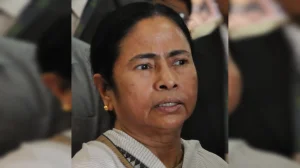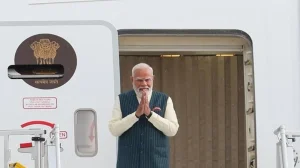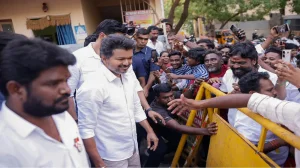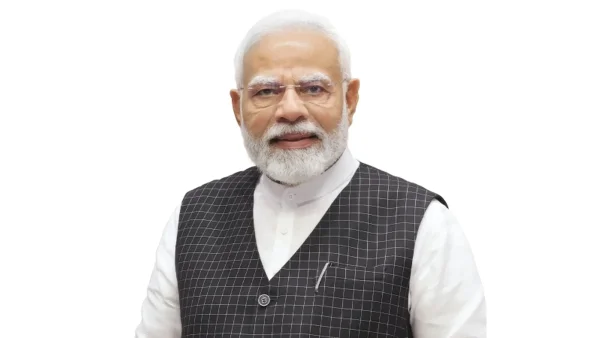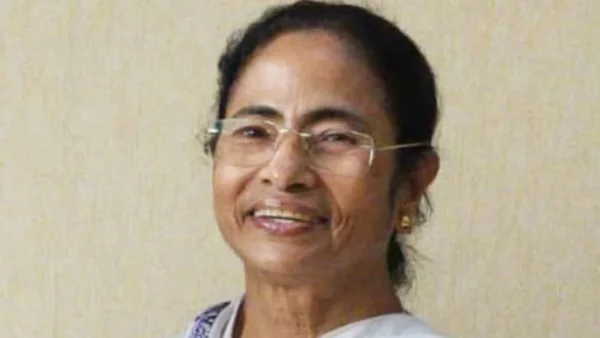
Mamata Banerjee, the Chief Minister of West Bengal, made the argument much more heated as the campaign continued. She said Modi’s jhal muri stop in Jhargram was staged, and she stated ‘I will serve bhelpuri’ in return, while at the same time raising doubts about the EVMs before the second part of the election begins. This pointed exchange, with food as a symbol and questions about whether the election is fair, are now at the very core of the election in Bengal.
Allegations Over PM’s Jhargram Snack Stop
Banerjee says the Prime Minister’s security team had already put cameras in the shop and had the jhal muri prepared beforehand. She insists the shop owner was given ten rupees just to be in the picture. She explained, “They had put in TV cameras and CCTV cameras with the security earlier, and they had made the jhal muri at home.”
She also pointed out that she doesn’t carry any money with her, and dismissed the visit as just a way to look good. In a direct comment at Modi, she asked if he’d try fish after eating the jhal muri – which points to how important food is in Bengal.
Food, Identity, And Election Optics
Referring to the images the BJP is using in their campaign, Banerjee said, “They first showed a tea seller, and now they’re showing jhal muri to get votes.” She responded with, “They said they’ll eat jhal muri if they win, but I will give you bhelpuri from Delhi.”
She added that people in Bengal regularly eat spicy jhal muri, and broadened the discussion to include who people are and whether everyone is included. She listed foods from all over India, saying she likes a lot of different types of cooking and insisted, “Don’t tell me about religion.”
Here are Banerjee’s key claims from the rally:
– The Jhargram snack stop was staged for optics
– Security arranged cameras and pre-cooked the snack
– BJP uses symbols, not solutions, to woo voters
Questions Over EVMs And Stakes In Phase Two
With the second stage of the election coming up, Banerjee asked, “Have they fixed the Electronic Voting Machines? Or how can they be so sure they will win?” She’s presenting the election as a vote to protect the rights of the people of Bengal. The first stage of the election ended on April and 23rd.
BJP’s Counterattack And CAA Promise
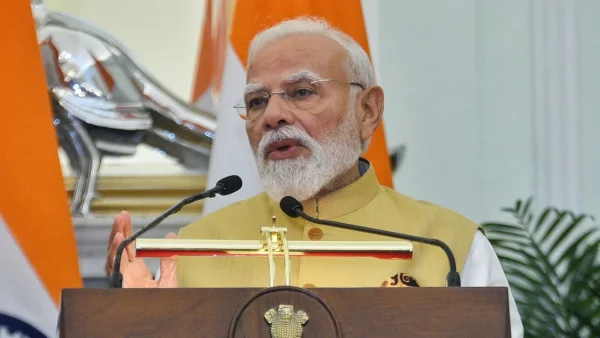
Before that, Modi strongly criticized the Trinamool Congress at a meeting in Krishnanagar. He said his jhal muri stop had really upset the current ruling party, and encouraged people to vote the BJP-NDA into power.
Modi accuses the TMC of protecting people who have illegally entered the country and of allowing a really bad situation with law and order (“maha jungle raj”). He promised to put the Citizenship Amendment Act into action more quickly. He said the Matua and Namashudra communities will be allowed to find a home, and that the process of getting citizenship will be faster.
Key points from the BJP’s pitch:
– Faster rollout of the Citizenship Amendment Act
– Support for Matua and Namashudra communities
– Confidence of victory and statewide celebrations
What Comes Next
Both sides are very strongly sticking to their own, very different versions of events. Banerjee believes this election is about rights and being genuine, and she is seriously questioning the EVMs. The BJP, on the other hand, is focusing on law and order, citizenship, and the momentum they have gained from reaching out to people in a symbolic way.
As the second stage of the election gets closer, the lines are clearly drawn: it’s about who people are, how the government works, and who you can believe. Each meeting is making things more intense, and the people of Bengal will soon decide if Modi and Banerjee’s comments about jhal muri and bhelpuri will influence them, or if promises about citizenship and safety will be what decide the outcome.