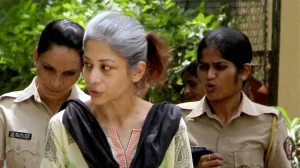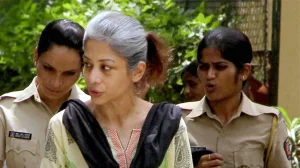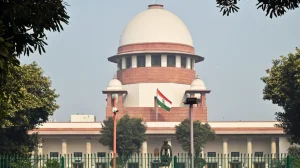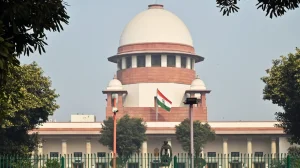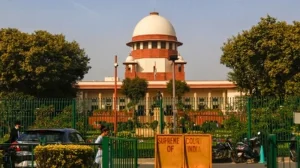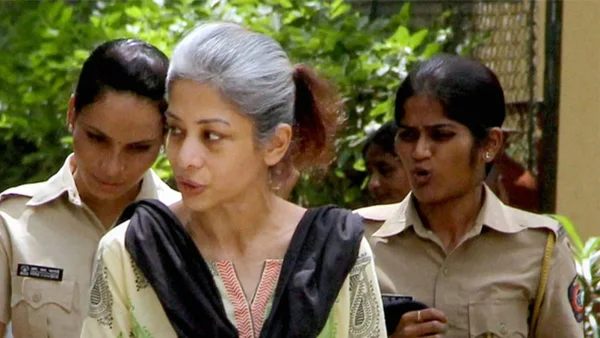
The Supreme Court refused to even consider Indrani Mukerjea’s newest request to go overseas in the Sheena Bora murder case. She must go to the trial court for any permission to travel, and the restrictions on going abroad remain because the trial is nearly finished.
Supreme Court declines fresh plea
Justices M M Sundresh and N Kotiswar Singh (the judges) told Mahesh Jethmalani, Mukerjea’s lawyer, that the Supreme Court has already said she should make her request to the trial court, where the case is currently being handled.
Jethmalani argued that last year’s request to travel wasn’t judged on its own merits and that she needs to travel now. However, the judges explained that the order from last year was only meant to allow her to submit a request to the trial court, not the Supreme Court.
The Court quoted its previous order, saying Mukerjea is allowed to submit an application to the trial court, which must be decided “in accordance with our order”. They added that, because of the urgency, the application should be dealt with within four weeks.
Earlier orders and travel bids
Back on February 12 of last year, the Supreme Court had already rejected a previous request from Mukerjea to travel abroad, because they weren’t confident she’d return. They supported a decision from the Bombay High Court which had also refused her permission, and told the trial court to finish the case within a year.
The question of whether Mukerjea could travel came to the Supreme Court after a special court on July 19th, 2024 said she could visit Spain and the United Kingdom for ten days. However, on September 27th, 2024, the Bombay High Court cancelled this permission following an appeal from the CBI (the investigative agency), and Mukerjea challenged the High Court’s decision.
This year she asked for permission to travel abroad once more. The Supreme Court has now said it won’t hear the request and has sent her back to the trial court.
Key directions at a glance
Here are the court’s operative directions and context:
– Approach the trial court for travel relief
– Trial court to decide within four weeks
– Previous plea dismissed on February 12 last year
– Trial to be expedited within a year
– High Court set aside travel permission in 2024
Trial progress and allegations
The Supreme Court has said before that the trial is advanced and has asked the lower court to speed up the process. Mukerjea was arrested in August 2015 and released on bail in May 2022, after being in jail for over six years. Currently, everyone accused in the case is out on bail.
Prosecutors say Sheena Bora, 24 years old, was strangled in a car in Mumbai in April 2012 by Indrani Mukerjee, her driver at the time, Shyamvar Rai, and Indrani’s former husband, Sanjeev Khanna. Her body was then burned in a forest in Raigad.
Sheena Bora was Indrani Mukerjee’s daughter from a previous relationship. The case became public when Rai apparently gave details to the police during questioning after being arrested in a different case related to illegal weapons. Peter Mukerjee, Indrani’s ex-husband, was also arrested for allegedly being involved in a conspiracy. Indrani Mukerjea insists she is not guilty.
What happens next
The Supreme Court has given Mukerjea the go-ahead to ask the trial court for permission to travel. The Court said that if she does ask, the trial court “shall be decided in accordance with our order”, and, given the need for speed, “may be disposed of within four weeks”.
Because previous requests have been turned down and the High Court cancelled a short permission to travel in t 2024, the trial court is now the only place to get approval. The trial court will decide on her request, keeping in mind the rules set by the Supreme Court and how the case is progressing.
The Supreme Court’s decision shows it’s determined to finish the trial which has been going on for a long time. Any decision about going overseas will depend on the trial court deciding if the trip is necessary, what will be done to make sure she returns, and what the Court has already ordered.
For now, the Supreme Court’s refusal to allow the travel emphasizes that things are continuing as they are: no exceptions at the highest court level, and a strong message that all requests like this need to be made to the court handling the trial.