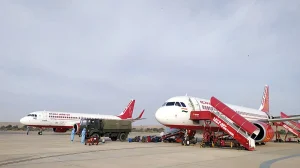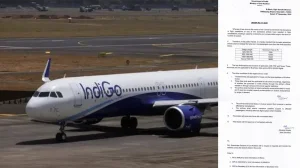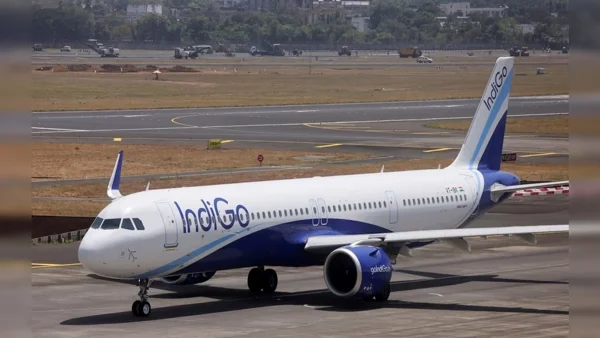
IndiGo went into November thinking the more rigid pilot scheduling rules in India could be changed, put off, or not followed. By the beginning of December, that plan failed. Many hundreds of flights were cancelled, tens of thousands of travellers were left stranded, and the minister for aviation said publicly that the new rules couldn’t be changed. The situation showed dangerous ideas and deeper issues.
What the new FDTL rules actually changed
The new Flight Duty Time Limitations in India make night-time working tighter, limit the total hours worked, and require more rest to cut down on pilot tiredness. The regulators gave airlines over a year to get ready. Putting the rules into effect had already been put off once, and a court order at last made the start date this year certain.
For safety regulators everywhere, tiredness is a slowly developing danger that needs clear limits and strict following of rules. The message was the same in India. The rules needed more pilots, better crew scheduling, and sensible timetables.
Why IndiGo believed it could avoid the impact
IndiGo’s strong position in the market gave it confidence. Having about 65% of the domestic market, a profit of a billion dollars, and running more than 400 aircraft, the airline had often got results it wanted. People in charge thought another change would be made, as had happened often before.
There was a past event to support this. The airline got permission for a difficult foreign aircraft lease even though the regulator was at first against it. When world politics later became awkward, the position seemed to change, then change back again. Inside the company, that past reinforced the idea that special cases were possible.
The airline’s ability to influence people strengthened that belief. A long-serving person on the inside and a powerful person who sorted problems was often seen in the corridors of the regulator and the ministry. When leaders asked – half jokingly – if they really had to accept the FDTL, the answer that was suggested seemed to be: not if influence could win the day.
The plan which failed
Believing a last-minute change would be made, IndiGo continued to add flights during the autumn without employing enough pilots. When the rules came into force, delays began to occur. Then came events which made things worse and showed how little room there was for error.
The storm in Chennai upset aircraft positioning. An urgent software update put part of the Airbus A320 fleet on the ground for checks. Airport baggage systems failed. The Jeppesen timetable update – meant to show the new FDTL – was badly put into effect. Operations Control staff were dealing with problems all the time.
At first, IndiGo tried to fill gaps with crews on standby, shorter shifts, and calling back people on leave. By the end of November, those safety nets were gone. Schedules were full, legal rest periods were a real problem, and a network made for growth suffered under the new limits.
Adding to the idea of things going wrong, key leaders were abroad when the cancellations suddenly increased. The CEO came back days into the crisis, but that looked bad. A crisis of this size needed clear leadership which was seen.
Culture, HR, and a quiet cockpit
Since 2022, IndiGo has changed its top levels, bringing in a number of people from other countries and moving out people who had been with the company a long time. Experts in cabin service, OCC, and customer service left. Middle-level managers – who keep operations going – followed some senior people to rival companies.
Plans for hiring were set by a central authority, and teams were asked to give reasons for each addition. In an airline, crew needs are what is likely to happen and depend on time. A limit can look good on paper but yet be dangerous in fact, particularly before the stricter FDTL rules.
Cutting costs added to the difficulties. Small allowances were reduced. That may save a lot of money but can harm people’s spirit. Pilots and crew noticed that profits were strong while their pay and benefits did not go up at the same rate. There wasn’t enough effort when the airline really needed it.
Talking with each other became less frequent, too. People in management, assistants, and a lot of rules took the place of the open way IndiGo used to do things. When the automated system had trouble, the work groups could not get used to doing things by hand. Flight attendants stuck to what their contracts said, and ground workers waited to be told what to do. The system stopped working as no one would go beyond what was expected.
Why other airlines did better
Each airline had to follow the same flight and duty rules. The others brought on more people sooner, lessened pairings with many night hours, and made sure there was some room for error. IndiGo’s size, and how hard it made its planes and crews work, made it more at risk. The airline also tried to keep saying it would grow quickly, while not talking much about the dangers of tiredness for its staff.
When the amount of time crews can work is up, there is no quick way around it. Whether a crew is allowed to fly is a yes or no thing. A flight plan made for the old limits could not be used with the new ones without more crew, better pairings, or fewer flights. IndiGo tried to go to that limit and failed.
Regulators were firm
As waits got longer, the regulator allowed a short-term exception for night work to help the airline get back on track. That was criticized, but the aviation minister made the government’s view clear: safety can't be changed, and not planning well would not be accepted.
IndiGo was told to cut 5% of the flights it had planned, and is being closely looked into. Paying money back to passengers and helping them is being watched, and the airline says it has given back about Rs 750 crore. The minister also pointed to a risk in how things were: a market with one airline that has most of the business is weak when that airline has problems.
A duopoly problem that was easy to see
IndiGo has about 65% of the flights inside the country, and Air India has about 27%. When one of them has problems, the system does not have much to help it deal with the trouble. Spaces for flights to leave, pilots, and the ability to take care of planes can’t be made to happen overnight. Getting new airlines to start and making smaller airlines stronger now seems like something policy should do, not just something to talk about.
This event also showed whether a large airline could ignore the safety rules by law. The answer was no. The government let a short-term permission to operate continue, but said again that the flight and duty rules are the law of the land. That being clear is good for passengers, and for keeping the industry well-behaved for a long time.
What investors think now
IndiGo’s shares went down about 9% during the trouble, losing about INR 23,000 crore in value and bringing the total value of the company closer to INR 2 lakh crore. People who put money into the company will look at the ways it expects to grow, how many people it plans to hire, and how quickly it buys new things, under the new work-time rules.
Regulators have questioned how the airline hires people and makes plans. Investors will likely do the same, especially after the airline often said it would have a lot of planes in the air, while not talking much about the chance of problems with how people work in public. Being open is the first step to getting back people’s trust.
What IndiGo has to make right now
– Get the number of pilots and flight attendants back to where it needs to be to follow the flight and duty rules, not the old ways of doing things.
– Make the flight plans again to cut down on night work and protect extra time.
– Make the tech for controlling operations stable, and do practice runs for doing things by hand.
– Open up talking with each other again, so information goes quickly through all levels.
– Change how people are managed: hire people early, keep people in the middle levels, and make people feel good about their jobs.
– Make what the airline tells investors match how much work can be done safely, when tiredness is taken into account.
None of this is exciting. All of it is needed. Safety rules are the lowest level that is acceptable, not the highest. Thinking of them as something to be changed is a way to have crises happen again and again.
The bigger lesson for Indian air travel
A market that can deal with trouble needs more competition, more pilots, and more ways to train them. It also needs regulators who stay with their plans when there are not enough people. Changing the flight and duty rules was something that should have been done a long time ago. IndiGo’s mistake was thinking that being large and having access could beat it.
Why did IndiGo think it could avoid the new pilot rules? What it was used to, what it had done before, and being too sure of itself. How did things fall apart? One flight plan with too few people on it at a time, until the whole plan broke down. The good news is that getting better is already happening. The better news would be if the industry learns the lesson and never does it again.