Airspace closures and needing to go around
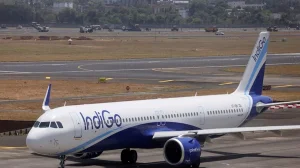
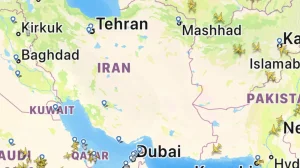
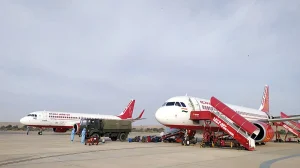
Because of rules on the airspace over parts of the Middle East, a lot of airlines had to cancel flights and change their routes. The Civil Aviation Ministry said that 279 international flights were cancelled just last Sunday – only 49 flights went to main airports in the Gulf that day.
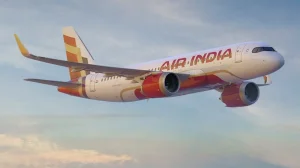
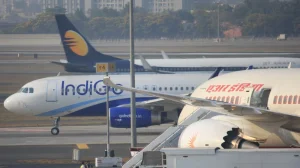
Indian airlines have also been dealing with Pakistan not letting them use its airspace for a long time, which means flights to Europe and North America have to make a big turn. Going the long way adds to flight time and uses more fuel, as well as more crew time and more maintenance.
It’s hard for airlines to plan and sell tickets when the times planes are allowed to take off and land at Gulf airports change every day – this makes it hard to plan how much money they’ll make and how full their planes will be.
Fuel costs and routes not being as good are raising costs
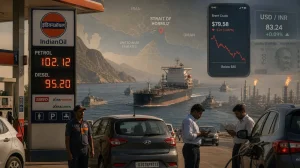
Worries about trouble with shipping and a lack of supply have caused oil prices to go up quickly, and this has raised the cost of fuel for planes. Fuel is usually about a quarter of what it costs an airline to operate, so when prices jump suddenly, airlines are really affected.
With the Strait of Hormuz not really being able to be used by some tankers, airlines are using more fuel on detours and sometimes even using types of fuel that cost more while in flight. Longer flights also need more catering, plans for how much the plane can carry, and more frequent maintenance – all of which raises the cost for each flight.
These problems with the routes make the effect of lower fares for passengers even worse. When planes fly with a lot of empty seats on one part of a journey, the cost for each passenger goes up a lot, and this lowers profits even on routes where there is a lot of demand on the other part of the journey.
Insurance costs and problems with one-way trips
Costs for war-risk insurance have gone way up. People who run airlines think the extra cost for insurance is about 70 lakh rupees for a round trip on a small plane – about 20,000 rupees for each passenger. For a large plane, that cost could be over 2 crore rupees for a round trip.
The conflict has caused a lot of demand for flights to get people out of the area, while not many people are travelling into the area. This means airlines are flying a lot of legs with almost no passengers, and the real cost of each seat goes up, especially when flights are cancelled or rebooked at the last minute.
Not being able to predict what will happen makes airlines need extra staff, move planes around, and have planes on standby – all of which makes costs go up. Airlines are also paying for the care of passengers and last-minute changes to travel plans, which costs them more money.
What airlines are asking the government for, and what the government can do
Airlines have officially asked for a break from taxes on fuel for planes – either excise duty or GST – to deal with the sudden rise in costs. Lowering fuel taxes is the most direct way to help, because fuel costs are such a large part of what it costs to run an airline.
Things the government is talking about could be short-term tax cuts, money given to certain international routes, or tax breaks on insurance for planes. Anything done has to balance how much money the government needs with the need to stop big increases in fares and to keep routes open.
Governments will weigh helping in the short term against the money they need, and what kind of example it sets. People who make rules are also watching airfares to make sure airlines aren’t unfairly raising prices, while still making sure international travel is possible.
What the conflict means for the economy, and what to expect in the short term
If these problems continue, airlines warn that tickets on the affected international routes will be more expensive and that some services may be cut. Having fewer routes would hurt trade, money sent home by workers, and people being able to travel between India, the Gulf, Europe, and North America.
In the short term, airlines will keep changing schedules, putting services together, and making deals with each other to share risk. In the long term, how well the industry does will depend on stable routes, insurance costs going back to normal, and the government helping in ways that deal with the biggest cost drivers.
Right now, the airline industry is dealing with both immediate financial problems and complicated operational challenges that will need airlines, insurance companies, and people who make policy to work together.