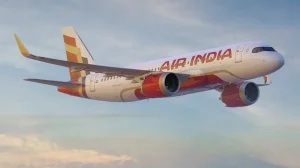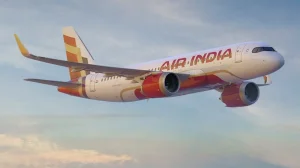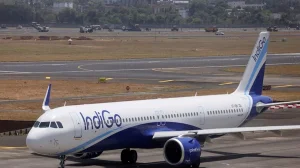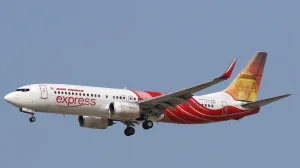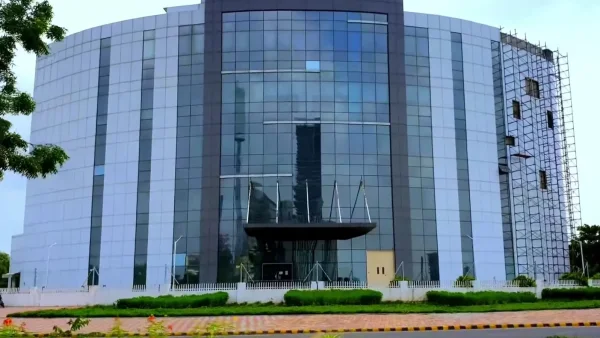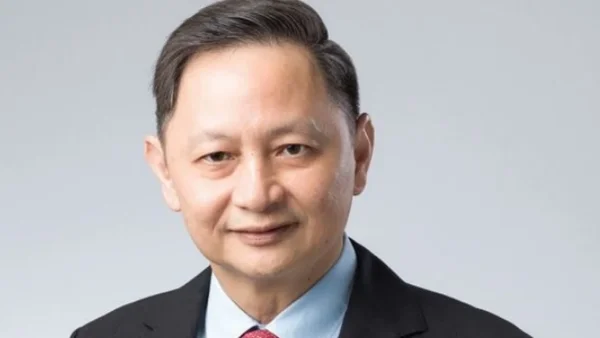
Goh Choon Phong was at Bombay House on Thursday to have detailed discussions with Tata Group. Both sides are expecting this. Air India is having a lot of problems with actually running the airline and with its finances, and Singapore Airlines is looking at the 25.1% of Air India they own and what that means for their plans.
Meeting context and key participants
Singapore Airlines owns 25.1% of Air India, having bought it after Tata Group took over the airline in January 2022. Goh Choon Phong’s visit shows Singapore Airlines is getting directly involved with Tata Group, who now own India’s main airline.
It’s said Goh Choon Phong will meet with N Chandrasekaran, chairman of Tata Sons, and other high-ranking people at Tata. While the exact plans for the meeting aren’t public, the timing suggests they’ll focus on Air India’s plan to improve, and what part Singapore Airlines will play in keeping things running smoothly and in line with overall goals.
Air India’s operational and financial headwinds
Air India’s expenses are going up because of how long flights have had to go around certain areas of airspace after the conflict in the Middle East. For almost a year, Pakistan also hasn’t allowed flights in their airspace, which has meant longer flights and a lot more fuel being used on long distance routes.
These problems with routes are happening at the same time as other financial pressures. It’s now thought Air India might lose more than 22,000 crore rupees in the year to March 31, 2026. This isn’t just important for Air India, but for Singapore Airlines too, as they are a fairly large minority owner.
Leadership transition and safety concerns
Air India recently announced that their CEO and managing director, Campbell Wilson, is leaving. They are now urgently looking for someone to replace him. Having a continuing line of leadership is important for getting back the trust of passengers, partners and those who have invested in the airline, and this is happening during a difficult time of recovery.
Air India is still dealing with the consequences of flight AI171 crashing in Ahmedabad last June, in which 260 people died. This has seriously damaged Air India’s reputation for safety and how much money it makes. Improving safety, paying those affected by the crash, and getting the public to trust the airline again will likely be a major part of the discussions between Tata and Singapore Airlines.
Strategic implications for Singapore Airlines and Tata Group
This meeting gives Singapore Airlines a chance to review their plans, how they work with the airline, and how things are managed. Singapore Airlines might want a clearer idea of how Air India will control costs, improve the network of routes, and decide on managers – all things that will affect their 25.1% ownership.
For Tata Group, changing Air India for the better while protecting the value of investments is the most important thing. They could make plans together about which routes to use, sharing flight arrangements, how to use the planes, and how to share the cost of things, so they use less cash and can more quickly become profitable.
What stakeholders should watch next
We should pay attention to any news about who the new CEO of Air India will be, anything that is said publicly about the partnership with Singapore Airlines, and Air India’s financial reports. If the airspace in the region opens again or the world political situation changes, this could noticeably lower the costs of running the airline.
Investors and people who analyze the airline industry will also look for real changes in how the airline operates, like changing routes, locking in fuel prices, adjusting how many seats are available, and trying to get customers back. How Tata and Singapore Airlines put what they discuss into actual steps will show whether Air India can become stable and consistently perform well.