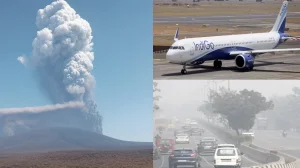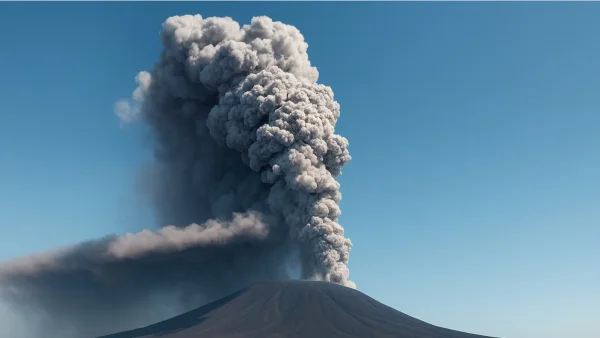
After being quiet for almost ten thousand years, the Hayli Gubbi volcano in the Erta Ale Range in Ethiopia dramatically erupted, and many people noticed. At approximately and a half in the morning, based on world time, the eruption was a big geological event in that part of the world, and sent a huge cloud of ash towards the north of India.
Experts and those in charge are carefully following where the ash is going. At first it went over the Red Sea to Yemen and Oman, then turned to go east. The Toulouse Volcanic Ash Advisory Centre (VAAC) is charting the path of the ash cloud to figure out how it might affect both airplanes and the people in the area. The eruption has stopped now, but the ash that’s left over is still causing trouble for flying and is a concern for the environment.
The Significance of the Hayli Gubbi Eruption
The fact that Hayli Gubbi erupted is notable because it hadn’t been active for such a long time and has no record of previous eruptions. This sudden activity of this volcano in a far-away place has caused scientists and people who study the earth to ask what is going on under the surface. The effect of the eruption on the air we breathe, farming, and the natural environment of the area shows how far the effects of a volcano can reach.
Aviation Concerns and Precautionary Measures
Because of the way the ash cloud is drifting toward northern India, airlines are taking steps to protect passengers and keep things running smoothly. Akasa Air, KLM, Air India, IndiGo and others have cancelled flights that would have gone through the airspace where the ash is. India’s Directorate General of Civil Aviation (DGCA) has told airlines to follow safety procedures because of the volcano.
SpiceJet and other airlines have told passengers in the area to check on their flights and be aware of possible delays. Volcanic ash can damage airplane engines and the instruments on board, so aviation officials need to plan carefully and work together. Luckily, no one has been hurt by the eruption, but authorities are continuing to watch how things change.
Impacts on Local Communities and Tourism
The eruption has directly affected the people near the volcano, who say ash is falling and they can feel the ground shake. Ash now covers the town of Afdera, and tourists and guides are stuck because they can’t travel as planned. Photos and videos from local officials show the enormous column of ash going up from Hayli Gubbi, and show how big and unusual this eruption is.
In short, the eruption of Hayli Gubbi in Ethiopia reminds us how unpredictable nature can be and that we need to be ready for volcanic events. Scientists will continue to research this amazing event, and its effects on the geology of the region and how stable the environment is will certainly be something they will discuss and investigate for some time. You can find more about this fascinating story as it continues to develop in Ethiopia’s volcanic region.