Living in an era where technology improves rapidly, the very latest from Google – Nano Banana Pro, is receiving a lot of attention already. The AI-powered tool that is released apart from the rest of Google’s Gemini 3 line, is the current one that is redefining the boundaries of photo generation, handwriting imitation, and drawing emulation at the same time. This ground-breaking AI technology is gaining both praise and fear in the educational sector because of the massive transformation that it might bring.
Unveiling the Nano Banana Pro: A Technological Marvel
Launched as the most advanced AI imaging engine to date, the Nano Banana Pro builds on its predecessor’s capabilities. Previously known for crafting whimsical images like cute baby photos and cartoon-style characters, the new model pushes realism to unprecedented levels. Its ability to generate lifelike images is so advanced that distinguishing between AI-generated and real photographs has become a challenge.
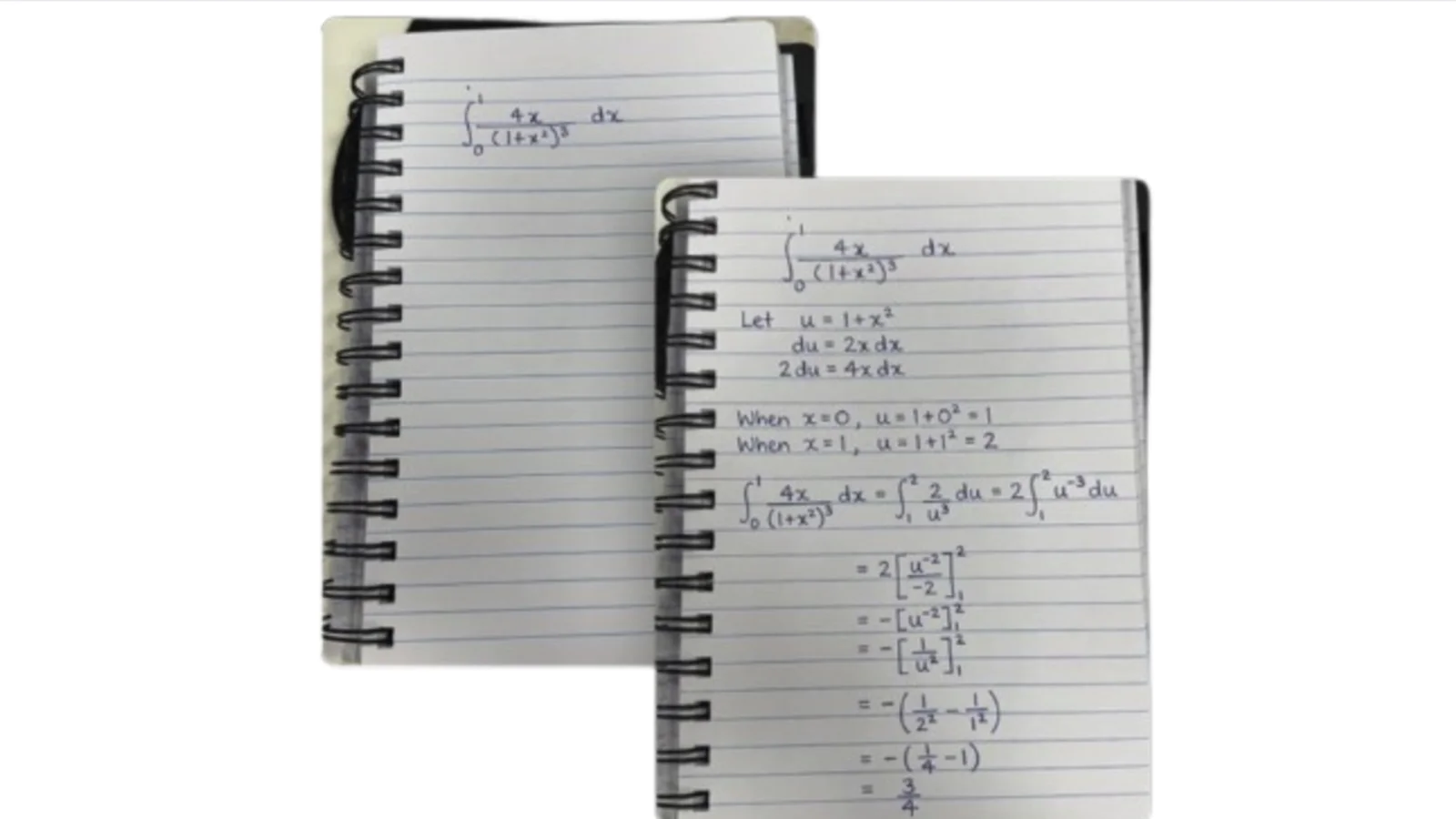
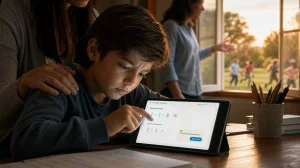
The Nano Banana Pro is more than just visually pleasing as it brings along an impressive property: it can reproduce the student’s handwritten notes with incredible accuracy. Students have been using AI for homework help for a long time but typing the answers by hand was a part of the procedure. With this tool one can say that the AI not only solves but also writes out the problem in the user’s handwriting.
Homework Revolution: A Love-Hate Game
The importance of this property goes beyond what the users were expecting. A tech enthusiast from Pune had the chance to test the tool by sending a hand-written math problem. The AI did not just solve it but also provided a solution in his handwriting, which ended up becoming a trending topic on social media and, naturally, a heated discussion about the future impact on education began.
Where some laud this feature as a gift for students, a lot more still think that it is a curse. With regard to X and others, all types of comments have been made by the users. Some are concerned that the AI’s learnability could prevent the learning of the skill of thinking and analyzing; on the other hand, others are saying that the tools can change the way students learn drastically in a good sense by allowing them to concentrate on understanding rather than rote work.
Creating Visual Time Capsules: Historical Imagery Brought to Life
Nano Banana Pro is not just confined to copying handwriting characteristics. It is also able to create pictures of different past scenes just by giving location and date. The tool can be used to illustrate the transformation of an Indian market area to a modern-day street or the development of the Marine Drive promenade in Mumbai, thus providing a revealing insight into the past.
This option is full of power and can be applied on the school ground by teachers for more compelling and engaging history visualization. It creates not only a visual map but also an emotional history wallpaper.
Using Blueprints Made from Photos: A Whole New Way of Seeing Things in the World
Moreover, one very interesting capability of the Nano Banana Pro is that it can transform regular photos into blueprints of a technical drawing nature. This process turns everyday items into detailed plans, introducing one more aspect of creativity and technical knowledge to educational practices alike.
To illustrate, one photo of a bicycle can demonstrate the naming of parts such as brakes and gears. Also, the image of a kitchen can give the architectural details with the parts such as sinks and cabinets marked. The visual learning of the feature is also a great help for educators who want to present information in a cutting-edge way.
The Future of Education: Challenges and Opportunities
No kidding, the introduction of extremely advanced tools inevitably brings about a discussion of their place in the education system. The evolving AI technology is an uphill task for educators who are required to adapt the tools into the curriculum in an efficient and effective manner But at the same time, it is also an opportunity to revise the old-school ways of teaching.
Artificial intelligence can make learning very personal experience, it can be used to accommodate the needs and learning styles of the individual student. By substituting for the students in tasks such as taking notes or solving problems, automation can bring in more time for the students to reflect and carry out creative processes.
Conclusion: Navigating Uncharted Waters
Nano Banana Pro of Google is a big step forward in the field of AI with its very strengthening and at the same time very mind-boggling aspect, as it makes the distinction between human effort and machine assistance almost indistinguishable, and hence, the society needs to be very cautious in going through these ‘uncharted waters’.
Although it is thought by some that the technology may be abused in the academic sphere, others take it as a big change in the positive direction of education. The final say on the matter is going to be what we do with the tools of that kind and the impact on the generations that come after will be determined by these. From a perspective of technology, at the same time experimenting and guarding the purity of education are going to be the main concerns.