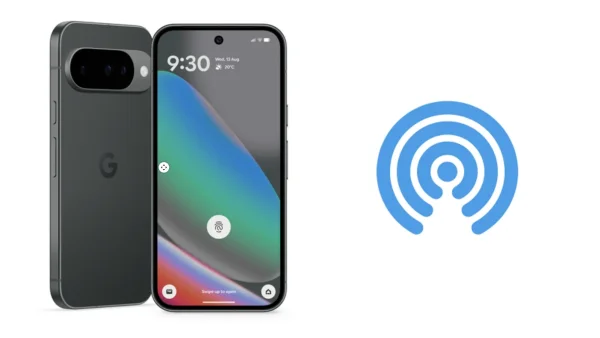
Google surprised everyone with its recent smart move, which involved making the new Pixel 10 models and Apple devices to have better integration through AirDrop. The newly brought feature, with a very promising potential for end-user compatibility, amounts to the current scenario where Pixel 10 users are able to exchange data with iPhone, iPad, and macOS devices.
By combining the AirDrop technology with the Google Quick Share on the Pixel 10, Google has reached an even higher level of achievement in making the experience of the two ecosystems (Android and iOS) seamless. This is despite the fact that Google achieved the integration of the Apple feature with its Quick Share system on Pixel 10. This shows how determined Google is to make the interoperability between operating systems possible without going through the vendors’ engagement with each other.
The Technical Wizardry Behind the Curtains
As for Google, they have aligned AirDrop with Pixel 10 having a direct device-to-device connection. Such approach is different from the traditional ones since the data is not sent through any servers, so the shared content stays private and secure without any additional data being exchanged. Eventually, the prevalence of the memory-safe Rust programming language will enable this feature’s security measures to be impenetrable.
Regulations Diverging the Direction of Innovations in the EU
The appearance of cross-device file sharing came about because of the EU’s laws which were upheld in the Digital Markets Act. Apple was forced to embrace interoperable wireless standards due to the laws which were most evidently seen in the step Apple took to allow the Wi-Fi Aware standard better than the use of its own Apple Wireless Direct Link protocol. Through this regulatory pressure, the doors got opened for a great deal of Android as well as iPhone device cooperation in terms of compatibility.
Moving Past the Premium Device Territory
AirDrop compatibility is initially available for Google’s Pixel 10 line-up only, which includes models such as the Pixel 10 Pro and the Pixel 10 Pro XL. However, the plan is to eventually make this feature available to a much wider range of Android devices operating on the platform. The shift in the strategy underlines that Google is serious about providing the seamless cross-platform sharing experience to more users in the future.
Apple Response and Future Scenarios
What will Apple’s next step be now that Google has one over them? Google is using Wi-Fi Aware—the standard that EU laws require—and not the same trusted method that Apple is best known for when it comes to securing its devices and services. Thus, the question remains whether the new feature will last or not. So far, Apple has not said anything officially, which has stirred up speculations about its position on this sudden inter-connectivity world.
The final thought would be that by a long shot, Google has made the dealbreaker with Apple and other Android device users a thing to blab about by using AirDrop in its Pixel 10 lineup – it is quite the hard combination to reach. As more and more Android models approach support in the feature, the users’ way of interacting with each other on an inter-mobile-platform level will change for sure. The bottom line: Big names in the tech industry such as Google and Apple may actually play a huge role in establishing a more uniform technology-sharing platform in the whole digital world.