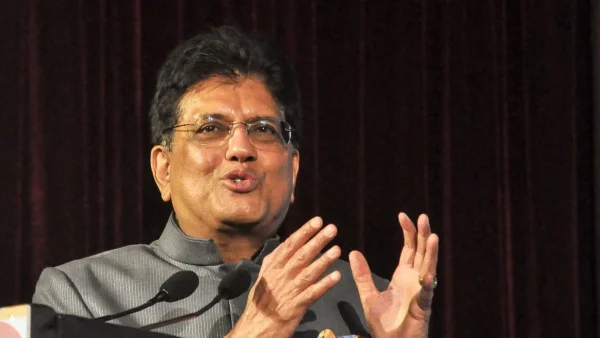
“We will be notifying a plan to put some heft behind industrial investment,” says Chief Minister Rekha Gupta. It’s a way of keeping up the momentum after Delhi was put in the highest Exemplary category in the LEADS 2025 Index. Put together, these are a hard sell to any investor who wants a tech-forward, no-fuss supply chain.
Why Delhi’s new status matters
Gupta points out that being in the Exemplary tier is a notch above the rest – you have your Growth Seekers, Accelerators and High Performers, but this is the top rung. She says it’s all down to what we’ve been putting in place: solid infrastructure, multimodal options, and a kind of governance that is as much about technology as it is about compliance.
To a business, that kind of standing isn’t just for show. It means you won’t hit as many roadblocks when it comes to getting a permit or seeing a project through on the ground. When you’re under pressure to make last-mile delivery more reliable, even a little less friction can mean lower costs and fewer delays.
What powered the leap
Take the Delhi Single Window System, for instance. Gupta says it has made short work of the time it used to take to get the green light on logistics and industrial ventures. By having everything in one place, you don’t have to go through the motions of offline follow-ups, which is where most new projects tend to get bogged down.
Then there is the work the Public Works Department has been doing with its pothole-free roads drive. You see the results on the major and internal roads. A better road is a better turnaround for a freighter, less chance of damage and a more even keel for cargo that has to be on time.
Digital backbone for coordination
There’s also the Unified Logistics Interface Platform. Through APIs you can monitor and share data in real time, which is how you get the different players in the room to coordinate. Whether it’s dispatch or warehousing, having that information at hand makes for less guesswork and a smoother ride on the compliance side.
Gupta notes that when it comes to running things by the book with digital tools, Delhi has been well ahead of the curve, both nationally and among union territories. If you can hold on to that, it becomes a lasting advantage for the capital’s logistics set-up.
Inside the upcoming city logistics plan
The city logistics plan is coming, and it’s meant to tie the knot between infrastructure, permissions and the digital side of things to speed up investment. We don’t have the fine print yet, but the intent is there: we want to be predictable and we want to move product.
You’ll see it dovetail with the Warehousing and Logistics Policy 2025 that we are in the process of finalising. The idea is to have a policy framework where the incentives and the process improvements back each other up, not run in separate lanes.
Official priorities at a glance
Key actions flagged by the government include:
– Approvals and permissions simplified via the Delhi Single Window System
– API-based real-time monitoring through ULIP for better coordination
– Road quality upgrades under the pothole-free campaign
The competitive calculus
With the LEADS 2025 numbers, Delhi is in a good spot to be wooing the sectors that are heavy on logistics. In India today, if you have to choose where to put your inventory or your hub, faster approvals and a decent road can make the difference.
The four-tier system in the index is a clear line in the sand. Once you are in the Exemplary box, you can’t afford to let up. That kind of scrutiny is what will keep us on our toes as the demand for steady freight in and out of the city picks up.
What comes next for investors
All eyes will be on the notification of the plan. After that, it will be up to us to deliver on the service side: quicker permits, better linkages and roads that hold up.
And the digital part of it is no afterthought. If operators start to make use of the data from ULIP, they can check their service levels and run their fleets more efficiently. You can grow without the cost going up with it.
The takeaway
In the end, what Gupta is saying is that we are not winging this. It’s an overhaul with a purpose. Between the LEADS 2025 and the plans in the offing, Delhi is trying to be the one setting the tempo.