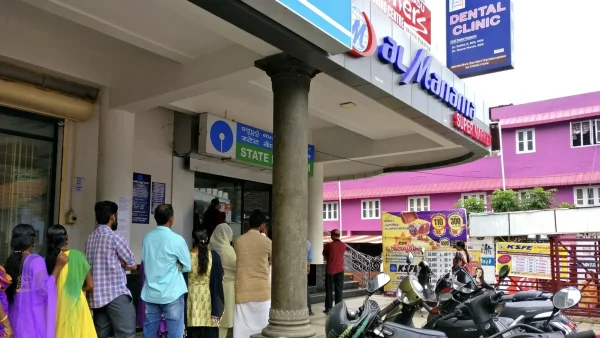
The Reserve Bank of India (RBI) has a calendar of these 15 bank holidays, which include the usual Sundays and those particular Saturdays, and mobile/internet banking, ATMs, and most digital ways to pay will continue to work when the banks are closed.
Major dates: national and state holidays
Specifically, the buildings themselves will be closed on New Year’s Day/Gaan-Ngai (January 1st), Makar Sankranti and Magh Bihu (January 14th), Pongal/Uttarayana (January 15th), Thiruvalluvar Day and Uzhavar Thunal (January 16th and 17th in the Tamil Nadu area), Saraswati Puja and birthday observances (January 23rd), and Republic Day (January 26th).
Weekend closures in January 2026
Besides these festivals and state days, banks won’t be open on Sundays and the second (January 10th) and fourth (January 24th) Saturdays in January 2026. The Sundays are January 4th, 11th, 18th and 25th.
City- and state-wise highlights
The RBI’s holiday list is broken down by state, meaning the days banks are closed will change depending on where you are. For example: on January 1st, banks will be closed in Mizoram, Tamil Nadu, Sikkim, Manipur, Arunachal Pradesh, Nagaland, West Bengal and Meghalaya.
January 2nd sees closures in Mizoram and Kerala for New Year celebrations and Mannam Jayanthi. Uttar Pradesh observes Hazrat Ali’s birthday on January 3rd, while West Bengal is closed for Swami Vivekananda’s birthday on January 12th.
Makar Sankranti/Magh Bihu will close banks in Gujarat, Odisha, Assam and Arunachal Pradesh on January 14th, and Pongal/Maghe Sankranti will mean closures in Karnataka, Tamil Nadu, Sikkim, Andhra Pradesh and Telangana on January 15th.
Tamil Nadu will then close for Thiruvalluvar Day and Uzhavar Thunal on January 16th and 17th. January 23rd will see Tripura, Odisha and West Bengal close for Netaji Jayanti, Saraswati Puja and related events and finally, Republic Day on January 26th is a bank holiday throughout the country.
Because each state has its own holidays, a celebration in one state won’t necessarily close banks in another; some cities will be closed for local events even if other areas aren’t.
RBI holiday categories and impact on services
The RBI has three ways of categorizing bank holidays: those under the Negotiable Instruments Act, those under the Negotiable Instruments Act that also affect Real Time Gross Settlement (RTGS), and when banks actually close their accounts. This is important because it affects how cheques are processed, how RTGS/NEFT transactions are handled, and how the bank balances things at the end of the day. If RTGS is listed as a holiday, large transfers between banks might not happen that day.
Online banking, UPI and ATMs will mostly be available as usual, but collecting cheques, using a teller at a branch, and some transfers between banks could be affected. It’s a good idea to check with your bank for the latest cut-off times and when things will be completed before you do anything important.
How to plan around January closures
To avoid delays or being charged extra, arrange for things like your salary being deposited, loan payments, and moving money to happen before the holiday. For anything urgent, use net banking, the bank’s mobile app or UPI and keep a record of your transaction. If you’re depositing a cheque or using RTGS, do it before the holiday or get the specific dates from your branch.
Banks have lists of holidays for each state, so look at your bank’s official calendar or ask your local branch for a definite list for your city. If you look at the RBI calendar and do a little planning ahead of time, you’ll be less likely to be surprised during January 2026.