The Aviation Ministry has turned a recent problem into a long-term solution. Following a number of large problems – mainly with IndiGo and because of fog that comes with the season – the ministry opened the 24-hour Passenger Assistance Control Room in Delhi to watch and sort out travellers’ complaints in real time. The aim of this is to change the way complaints are dealt with, from just responding to them, to having control over what is going on.
What the control room does
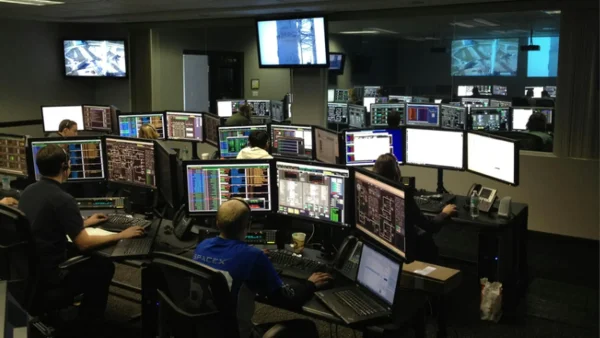
The control room started work during the night of December 9th and 10th, and puts ministry people, the DGCA, airport people and people from airlines all in the same place. It acts as a place to watch what is happening live, and not just as a place for normal reports. People working there watch travellers’ complaints, problems with airline services and what is happening at airports as things happen.
Pramod Kumar Thakur, Deputy Director General, said the setup was a move from a limited operations room to a place for passengers to go, all the time. Samir Kumar Sinha, Secretary of Civil Aviation, said it was part of a 'Passengers First‘ plan, meant to make sure quick action and honesty are important throughout the whole of aviation.
Complaint channels brought together and times
Complaints now come into the control room from many places: AirSewa, social media, emails and special telephone lines. These are put together, sorted by how serious they are, and sent to the correct airline or airport department to be sorted out quickly. People working in the department say most cases are dealt with in 72 hours.
More than 13,000 travellers’ complaints have already been dealt with using the system which brings everything together. This shows quicker decisions being made, and better people being held responsible, than with the previous, unplanned ways of dealing with large problems.
Why the ministry acted now
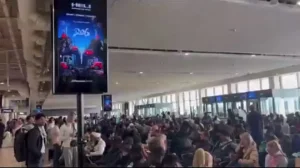
A number of failures in how things were run earlier this month – made worse by very bad winter fog and a large problem with IndiGo – showed up problems in the way complaints were dealt with. Travellers had to queue for a long time, refunds were delayed, baggage was lost and people had to wait a long time at airports. The government also told IndiGo to temporarily cut the number of flights by 10% to help make things stable.
People working for the government said that these sorts of problems need a planned, joined-up answer, and not just separate fixes. The new control room is meant to stop a build-up of things to do, by letting those who control things and airlines act while problems are still happening.
What this means for travellers on the ground
The practical change for travellers is that complaints can now cause live action to be taken. Instead of making a complaint and waiting for someone to get back to them, travellers get quicker answers to cancellations, refunds, lost baggage and problems with service on flights. Airline customer teams, including IndiGo, SpiceJet, Air India Express and Akasa Air, say things run more smoothly during times when there are a lot of problems.
Airline customer teams say that the joined-up control makes refunds and finding lost baggage faster. Travellers who have used it, and people in the industry, have given good reactions since the control room became fully working.
How airlines and those who control them work together
People from airlines, the Directorate General of Civil Aviation and airport authorities all work next to each other. The plan puts importance on sharing information, giving the most important cases priority, and having ways to make things go up to the next level. When a flight is cancelled or there are problems with baggage handling on the ground, the control room can directly control the people who move aircraft on the ground, what customer service does, and how those who control things watch what is going on.
This way of working together also helps to get more information about problems which happen again and again, which helps those who make policy and airlines to find problems in the system, such as not enough space or equipment which does not work.
What this means for the future
People working for the government say the Passenger Assistance Control Room will stay working even when the current problems have gone. It will be especially useful during busy times for travel, and in bad weather. It is hoped that watching what is going on all the time, and control from one place, will reduce how often and how badly travellers are upset during problems with how things are run.
For travellers, the quick win is getting problems sorted out more quickly and knowing who is responsible. For those who make policy and airlines, the win is getting better information about how things are going, and being able to act in real time. If it is kept working well, the 24-hour watch for passengers could become a lasting improvement to how travellers are protected in India.