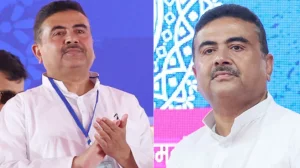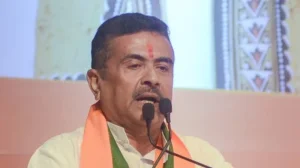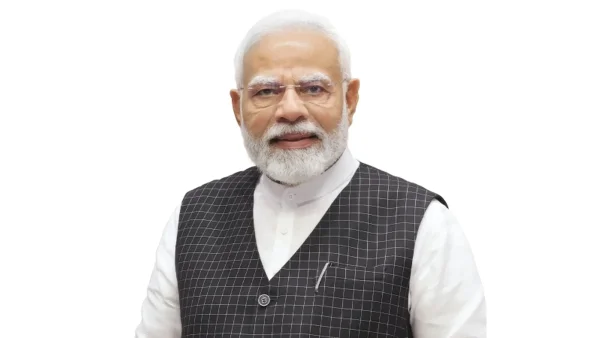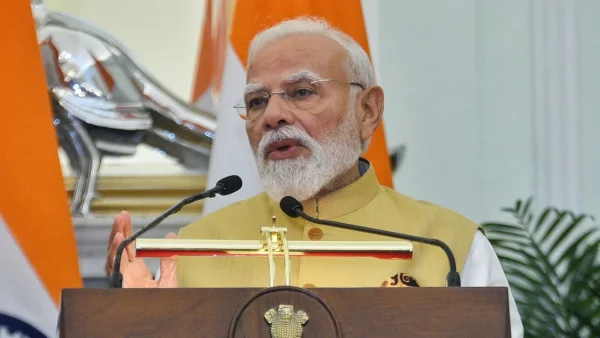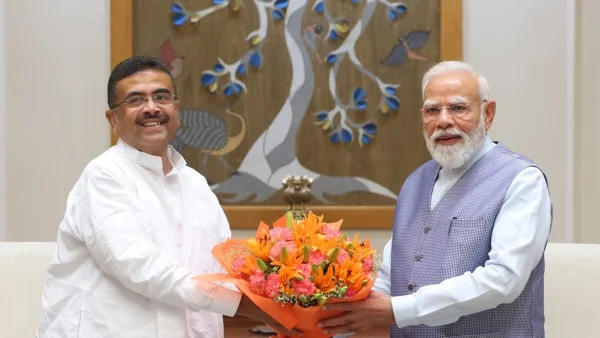
It was an occasion for the new chief minister to make his case in New Delhi this past Friday. The first face-to-face with Narendra Modi since he was sworn in, it was meant to set the stage for a different kind of working relationship between the state and the Centre.
Why the meeting matters
You can’t miss the context. The BJP’s 207-80 win in the April assembly elections put an end to 15 years of TMC rule. Now there is a clear mandate from the ground up, and a push to be heard in Delhi to match it.
Adhikari put it down as an early move to get in step with the top. After the meeting, he put out a note saying he was honoured to have met the Prime Minister for the first time in an official capacity since May 9, and to thank him for the well-wishes and the ongoing pledge to see Bengal move forward.
What was discussed
The conversation, for the most part, was about the way ahead for the state. Adhikari says the PM made it plain that ‘Sabka Saath, Sabka Vikas’ is still the watchword and that what happens in Bengal is of prime importance to the Central Government.
Modi left no room for doubt: the new chief minister has his full support. Adhikari put it in stark terms, saying he was given ‘all possible help and guidance’ to put an end to the kind of stagnation the state has seen in recent years.
That kind of promise, the CM said, is what will put West Bengal on a fast track for growth and to reinvigorate its industries and young people. He is counting on the Centre to back a ‘new era of double-engine growth’ and open-book governance.
Who else he met
He didn’t stop at one office. Adhikari was at Rashtrapati Bhavan to see President Droupadi Murmu, and in the capital to have words with home minister Amit Shah, defence minister Rajnath Singh and national president Nitin Nabin.
Shah made his good wishes for the new CM a matter of public record after they were done. Under the Prime Minister’s aegis and Adhikari’s lead, he said, the state government would be at work for the people and for better governance.
Signals from the first engagement
There is a sense here of wanting to put some speed to policy-making. By making industrial and youth-led growth the centrepiece of the talk, the chief minister is pointing to the kind of results you’ll see in his first few months in charge.
Adhikari made sure to note that the PM has underwritten the view that Bengal’s progress is a priority. Talk of a ‘double engine’ is a way of saying the administration is in sync with the Centre and ready to act on it.
Key takeaways
Those around Adhikari are calling the exchange productive. This is what he made of it:
– A pledge of central support for the state
– An eye on the economy and reviving industry
– Putting youth empowerment where it belongs
– Governance that is both transparent and all-encompassing
– A reiteration of ‘Sabka Saath, Sabka Vikas’ for West Bengal
What comes next for Bengal
In the CM’s view, these are the building blocks for a plan with the Centre. With the right kind of help, he says, the state will be on a firm footing for growth, with a focus on the industry and the young.
You have a strong majority in the legislature and some early moves in New Delhi; the message is one of urgency. What to look for now are the concrete steps and dates that come out of the handshakes on Friday.