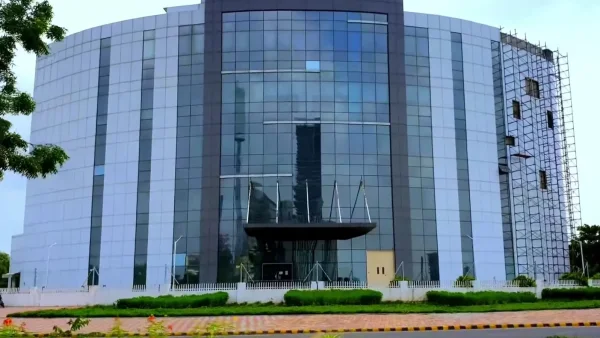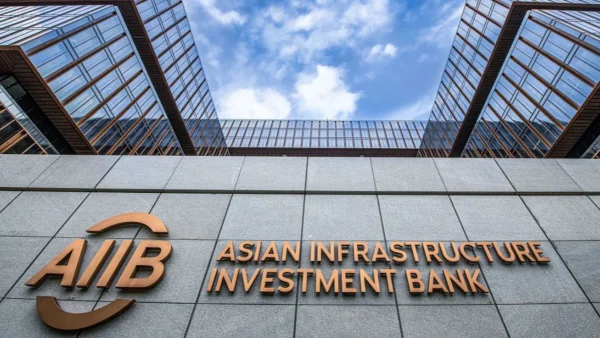
In a move to head off any spillover from the region, the Asian Infrastructure Investment Bank has rolled out a $10 billion support plan. You can see the regional and market implications clearly, not least with India as the second-largest stakeholder in the bank.
Why a crisis fund now
You only have to look at the energy and trade markets to see the ripples of the conflict. Then there is the matter of the Strait of Hormuz – a choke point for more than 20 per cent of the world’s oil and gas – being shut down. It has been a hit for a number of economies, India among them. The IEA is on record calling it the most we’ve ever seen in terms of a supply disruption.
And that is where India’s standing in the bank comes in. New Delhi is a big energy importer and a key AIIB player, so it has as much to do with the response as it does with the shock itself.
How the facility works
The Energy, Food Security and Economic Resilience Facility, as they are calling it, will be in addition to what the AIIB normally puts on the table. We are talking about a two-year, time-bound envelope of up to $10 billion for some out-of-the-ordinary financing for its members and clients.
The bank says the tools at hand are meant to be both wide-ranging and quick. They include:
– Budgetary help that is fast to disburse
– Money for must-have imports and other critical outlays
– A hand with liquidity for those who need it
– Some for the infrastructure side of things and the firms that make it happen
Who qualifies
If you are a member and the conflict has put a dent in your development plans, the door is open. The facility can underwrite the kind of programmes you need to build resilience or to get through the aftermath. For the infrastructure and financial sectors, it can even cover working capital and refinancing to keep the lights on.
India’s stake and AIIB power balance
There is no mistaking the heft behind this decision when you look at how the AIIB is run. China is at the top with 26.54 per cent of the vote. India is next in line at 7.58 per cent, then Russia (5.9 per cent) and Germany (4.1 per cent). All in all, it is a $100 billion, AAA-rated institution.
With over 100 members on the books – from China and India to Bangladesh, Pakistan, Australia, the UAE and others – the new facility is a sign that the shareholders are of one mind on the need for some counter-cyclical backing.
Coordination and what comes next
AIIB has said it will be in close contact with the IMF and the like to put the right kind of support in place. Just last month, on 18th May, a number of multilateral banks made a stand to beef up aid for nations dealing with everything from jumpy energy and fertiliser prices to the effect on jobs and the bottom line.
‘This is about giving our members the means to deal with external shocks and to be more resilient in the long run,’ said AIIB President Zou Jiayi.
She put it like this: ‘We will be there to finance what is needed in the short term – be it for energy or food – and to see that reform efforts don’t stall. But we are also committed to the work we do in infrastructure and the green transition.’
When it comes down to it, the bank is focused on speed. This is a way to top up regular financing and put some liquidity in the hands of those who are in the tightest spot.
For India and the rest, it is a buffer of sorts against the biggest oil shock we have had. The question is whether it can be put to use in the two years allowed to shore up budgets and keep the vital parts of the economy from buckling under the strain.