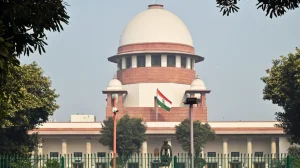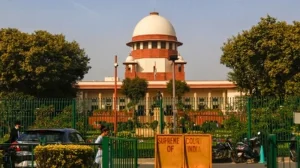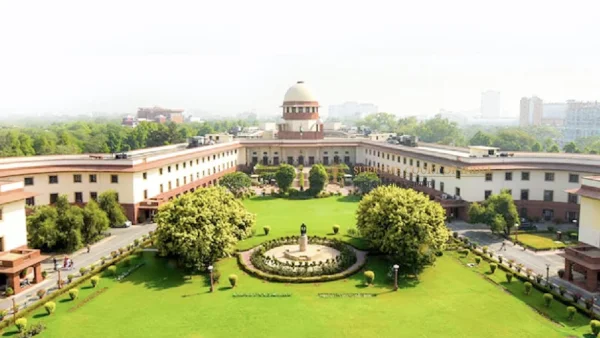
It was a no-nonsense way to rekindle the debate. The bench, in the course of a hearing on creamy layer rules for backward classes, made the link between education, a steady government post and social mobility. They were asking if handing out the same perks over and over doesn’t run counter to the whole idea.
Why the remark matters now
Reservation in India was put in place to make up for social and educational shortfalls. But there is a tension now. When a family has put in the work to get ahead through schooling and a job, does it make sense for the next one to be in line for the very same advantages?
Bench questions repeated quota after advancement
You can see the policy conundrum in how the court has put it. “If both are IAS, why seek reservation?” the bench inquired. It’s about making sure the policy is in step with the kind of progress that comes from public service and higher learning.
Some of the judges have been plain about it. “The parents of students are in good jobs, getting good income, and the children want reservation again. See, they should get out of reservation,” said Justice Nagarathna, referring to families with a firm footing in the government and a decent purse.
There are already orders from the government that bar certain well-off sections from these benefits, and those are being put to the test. The court has made it clear that any legal resistance to such exclusions will be measured against the reality of where people have moved in society.
Calls for balance from the bench
“We have to have some balance. Socially and educationally backward, yes, but once the parents have come to a level by virtue of the reservation…”, the court intoned. In other words, you need guardrails that look at what has been achieved, not just where you started.
Here are the key issues the bench flagged for reconsideration:
– Mobility follows education and stable income
– Repeated benefits may dilute intended outcomes
– Exclusion orders exist and face legal challenges
– Eligibility needs periodic reassessment
EWS versus social backwardness
Justice Nagarathna also made a distinction. “For EWS there is no social backwardness but only economic backwardness.” The case for the Economically Weaker Sections is not the same as for caste-based claims.
And that is the crux of it. If you have a historically disadvantaged group that has built up some economic heft, the court is implying it’s time to have a look at what the kids are entitled to, even as you hold the line for those who still face social headwinds.
The creamy layer debate
All of this was in the context of a plea over creamy layer provisions, where the state has been excluding the more advanced. The validity of that is now in question, and it comes down to how we define equity and mobility.
What comes next
The court has given notice and asked for the other side of the story. It’s only a matter of time before we see a full hearing on how to handle families that have made it. For the policymakers, the challenge will be to keep the door open for the ones who need it, without giving the same hand to those who have clearly put some distance between themselves and the past.
For readers tracking the policy trajectory, three takeaways stand out:
– The court has centred outcomes, not just identity
– Government exclusions for advanced sections remain contested
– Further responses could shape how creamy layer rules evolve