It is a change of course with real-world consequences. The Centre has put it to the Supreme Court: we will be bringing back certain people from Bangladesh to re-evaluate their case for Indian citizenship. The government is making it clear this is for this case alone, not to set any kind of precedent, and it may well take 8-10 days to see through.
The government’s word means a fairly straightforward plan of action once the individuals have come back. In short:
– They should be in India in 8-10 days
– We’ll see if their citizenship holds up
– Then we’ll see where things go from there
– A hearing in July
What the Centre put before the Supreme Court
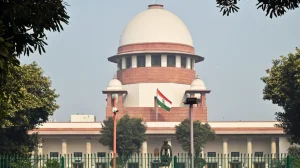
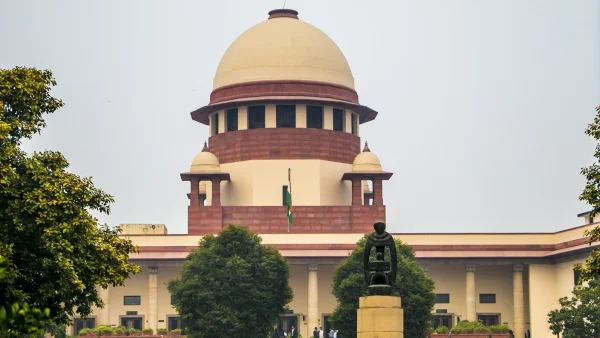
Solicitor General Tushar Mehta made as much known to a bench of Chief Justice Surya Kant, Justices Joymalya Bagchi and Vipul M Pancholi. Once they are back, he said, the Centre will look into their standing and act accordingly. We’ll be back in court in July to hear more on the matter.
Who is at the heart of it
You have to go back to a spate of deportations in West Bengal that didn’t sit well with the courts. Back on 26 September 2025, the Calcutta High Court quashed the Centre’s hand in sending off Sunali Khatun and the rest, calling it ‘illegal’ and ordering six to be returned in no time at all.
Process and oversight
The High Court had words for the way things were done, in a ‘hot haste’, and not in line with a Union home ministry memo of 2 May 2025. As the Centre’s own affidavit would have it, that memo was clear: an inquiry by the state or UT is to be had before you can deport anyone from Bangladesh or Myanmar who is thought to be here unauthorised.
Why it’s more than just one case
There were also the families’ roots in West Bengal to consider. The court cautioned that too much ‘overenthusiasm’ in these matters can cause trouble and ruffle the judicial feathers. When the government tried to put a stay on the High Court’s ruling, it was turned down, which is how we ended up in the Supreme Court.
Even before the Centre made its latest stand, the Supreme Court had already stepped in. On 3 December last year, it made way for Khatun and her young one to come in after they were made to cross the border some months prior.
They told the West Bengal authorities to make sure the child was looked after. For Khatun, who was with child, the chief medical officer in Birbhum was to ensure she got what she needed, even if it meant a free delivery. The bench did note they would be kept an eye on, of course.
Then on 24 April, as the appeal was being made, the court gave the Centre one more chance to get its act together and report in. Kapil Sibal and Sanjay Hegde, representing Khatun’s father, put it to the court that the Union’s silence on the issue was ‘a bit unfair’ to the family in question.
It has been the relatives in Birbhum with their habeas corpus petitions that have driven this. Bhodu Sekh says his daughter Khatun, her husband Danesh and their boy were held in Delhi and then put over the line into Bangladesh. Amir Khan has a similar story to tell about his sister Sweety Bibi and her two kids.
The papers say they were hard at work as daily wagers in Rohini’s Sector 26 for the better part of 20 years.
According to reports, the police took them in on June 18 of last year, under the assumption they were from Bangladesh, and by the 27th had them over the border. Once on the other side, they were in the hands of the Bangladesh police.
In front of the High Court, the Centre put forward that the FRRO in Delhi was the civil body responsible for sending back illegal migrants, as per instructions from 2 May 2025. But the High Court wasn’t having it; they ruled the due process of a state or Union territory inquiry had been bypassed.
The Solicitor General made his case on Friday: this was an isolated decision born of the specific facts at hand, not one to be used as a model for what comes next. The bench has noted that the government will be looking into their status once they are back.
Mehta put a figure on it – 8 to 10 days to make re-entry possible. The court has set a date in July for the next round. There is still an appeal with the Calcutta High Court’s 26 September 2025 ruling to be dealt with, but for now, the focus is on confirming who these people are before any further moves.
It comes down to how you handle a deportation. The 2 May 2025 memo is clear: you do a state-led inquiry first. The High Court saw that as a no-show and called it hasty. What the Centre is doing now is an attempt to get the facts right.
Some humanitarian moves by the top court
Then there are the Supreme Court’s own humanitarian orders to consider, which put some guardrails on how agencies deal with the vulnerable, like children or women with young ones. The bench has been watching the conditions closely.
You add in the families’ claims of being here for years, their time in Delhi, and kin in West Bengal, and you have a complicated picture. The plan to sort it out after they return is the government’s way of making sure the final call is based on paper, not a quick push out.
The High Court made it plain that written procedure and good documentation are non-negotiable. They even turned down the Union’s request for a stay, and now the matter is with the Supreme Court to see if due process is being followed.
For the FRRO and the local police, this is a reminder to stick to the protocol. For the people involved, it’s a way out of limbo.
What to expect
We’ll hear from the Supreme Court in July. Until then, the 8-10 day window is open for the return and a verification that could well set the tone for how deportations are done in the future.