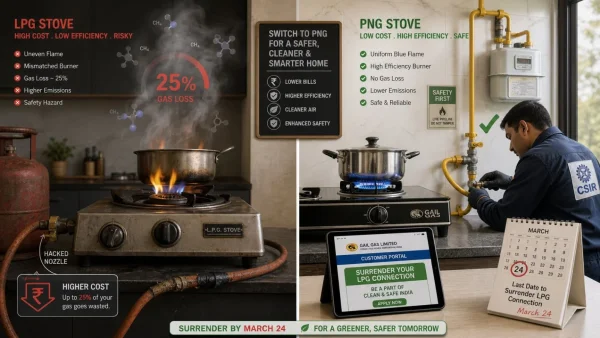
You may have noticed your monthly savings are not what they should be since you went over to PNG. The problem is that an old LPG stove is no good for this. It was made for a heavier fuel at a higher pressure; a new nozzle won’t fix the way the gas burns. In the end, you’re being charged for 25% of the gas you don’t get any use out of.
Why retrofitted stoves waste PNG
“Companies have no qualms about it because they can put 25% more gas through the meter by letting you retrofit,” says Anjan Ray, ex-director of the CSIR-Indian Institute of Petroleum. “The consumer is the one footed the bill for gas he never had.”
Ray is quick to point out that a proper PNG stove will pay for itself in a matter of months. Then there is the fact that PNG has less calorific value than LPG, so if your equipment isn’t up to the task, you’ll be standing over the stove longer.
Policy shift leaves little room for delay
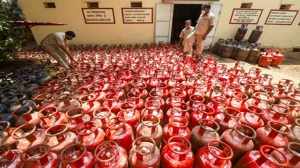
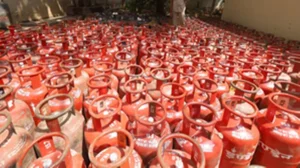
Make no mistake: after March 24, if you have the option for PNG and don’t take it, your LPG is gone in three months’ time. You can’t even have an LPG cylinder on hand for emergencies once the line is in. You have 30 days to turn in your cylinders for a refund of the deposit. All this is happening as we see supply hiccups from the situation in West Asia; with 60% of our LPG coming in from abroad, the push is on for piped gas.
Costs, timelines, and disruptions to expect
To get set up with PNG, you are looking at a connection fee and security deposit of anywhere from Rs 5,000 to 9,000. For some who don’t use much, a subsidised LPG might still seem like the better deal. But then again, a fault in the mainline can leave a whole block without service. And you have to factor in the drilling and work involved; it can be a three-month process to get everything running.
Safety, environment, and the rules that lag behind
It’s not just a hit to your finances. Unburnt methane from a poorly made conversion is hard on the environment, and the CSIR-IIP has been on record calling it a safety risk. They’ve been putting the word out for stoves that are made for the job.
Still, you see a lot of people doing it. “We have no order to put a stop to it,” says Chiradeep Datta of Think Gas. “With the LPG crisis, the government wants to get as many as they can on to PNG. We are working around the clock to do just that.”
Immediate steps to stop paying for wasted gas
An advisor with the regulatory board has put it plainly: the waste has to end. For your part, be on top of it. Make sure your connections are in plain view, give the hoses an eye, and if you catch a whiff of gas, open a window, don’t touch a switch or phone, and get out before you make a call.
A few targeted actions can restore efficiency and safety without delay:
– Install a PNG-compatible stove, not a retrofitted LPG model
– Use an authorised technician for any conversion work
– Demand a leak and flame test after installation
– Keep pipelines and meters exposed for inspection
– Use company-approved hoses and replace every 18 months
– Maintain 300 mm clearance from electrical points
– Close the main meter valve if away over 24 hours
Put simply, a good PNG stove is no frill. If you are in the pipeline for a switch, it is the only way to ensure you aren’t throwing your money away, and to be in the clear when the new rules kick in.