You have to look at the state-run fuel retailers: their petrol and diesel margins are back where they were before the trouble, which makes Bharat Petroleum (BPCL) and Indian Oil (IOC) the ones to put money on if crude doesn’t pick up. A JP Morgan report has put a finger on this as a way to boost bottom lines from Q2 on, even with the risk of debt and taxes in the offing.
Margins revive as crude cools and taxes ease
According to the numbers at JP Morgan, the kind of composite margins you see on petrol and diesel at the OMCs are better than what we had prior to the Middle East row. Put it down to cheaper crude and the centre pulling back on excise.
Case in point: in March, the government chipped Rs 10 off the per-litre excise on both fuels to give pump prices some cover when oil was high. Even after a Rs 7.50 hike in May, the report says retail was running behind cost for most of the run-up.
Then there is the matter of LPG. The firm will tell you the losses are still there, but they ought to follow the price of oil down as the input side gets cheaper. If crude keeps going, that gap should close.
Winners, laggards and the new pecking order
If you’re looking at the three state-run OMCs, JP Morgan would have you go with BPCL and IOC for the time being, so long as crude is in check. Their overall margins on the two main fuels are in a good spot compared to before the conflict.
Hindustan Petroleum is another story. The brokerage says its margins have made up for the price spike and more. But don’t let that fool you – on a standalone basis, the fuel marketing side is still under par. It’s the combination with refining that’s carrying the day.
So your position in the market comes down to how well you can keep those refining and composite spreads in the black. One move in the wrong direction on taxes or crude and the whole thing could be re-ordered in a hurry.
The catch: debt overhang, tax risk and a weak first quarter
All the talk of better margins aside, JP Morgan figures the April-June books will be a bit of a write-off thanks to some heavy inventory hits following the crude correction. And with months of not making back what you put in on the big three – petrol, diesel, LPG – you’re left with more debt than you’d like.
There are also a couple of things to keep in mind. OMCs have put on some weight in the form of material debt, and that shows in the valuation. Plus, a lot of the profit you’re seeing is because of the lower excise, and that’s not a given for the long haul.
By the analysts’ reckoning, the government is forgoing some Rs 1.8 lakh crore a year in revenue to make that happen. The report is clear: we could see a return to duties once the world’s oil prices come down and hold at pre-war levels. That said, the government may be in no hurry to raise taxes, at least for a while, to give OMCs some breathing room to work on their debt.
Near-term setup and what could shift next
If you ask JP Morgan, the road to better earnings from the second quarter on is in plain sight, provided two things are in place: crude under $80 a barrel and good refining margins. If that’s the case, you can expect solid numbers in the December and March quarters.
Still, this is a tactical play, one that doesn’t let go of its ties to oil and policy. The brokerage has a word of caution: don’t put too much stock in fuel marketing margins after 2028; the sector is as cyclical as they come.
What to be watching:
– Where crude is heading vis-à-vis the $80 mark
– Refining margins and how inventories are valued
– Any moves or timing on excise duty
– How OMCs are chipping away at debt
– The pace at which LPG losses are being reined in
Prices, policy and the consumer angle
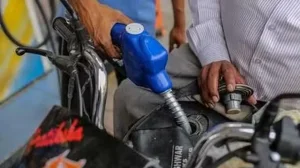
You can’t talk about the reset without looking at retail fuel. The Rs 10 per litre cut in excise duties in March was a way for the government to take some of the heat off the consumer when crude ran up. In effect, it put more of the retail price in the pockets of OMCs and made for better margins.
We’ve had some word in the last few days that petrol and diesel might be marked down now that some of the cheaper crude has made it to Indian refiners. A pass-through like that would eat into the marketing spread unless there’s some offsetting strength in refining or a softening of crude.
First-quarter results will probably show the strain of inventory write-downs and more borrowing, so having a steady hand on policy is key. You could see a push to put up fuel taxes as spending needs mount in the coming years, and if they do it too soon, it could put a dent in the recovery.
Strategy lens: how OMCs can defend gains
OMCs are done with just trying to protect volume; now it’s about putting the balance sheet in order. According to JP Morgan, as long as crude is kept in check and some tax relief is in the mix, those margin tailwinds can be put to use for cash flow and to de-leverage.
It will require some discipline in capex and making the most of your product slate. But in the end, it comes down to policy: how low do the taxes stay and how well do they telegraph any changes?
For now, BPCL and IOC have the edge on composite margins, though HPCL has put in the work to close the gap. Then again, a move in crude or an unanticipated tax hike could turn the table in a hurry.
All in all, the upturn in margins for petrol and diesel is proof of what a little nudge in crude and excise can do. We’ll have to wait and see if that holds up over the next few quarters as oil, taxes and debt all factor in.