On Monday, a new round of jitters over the capital saw four airports close their doors as Russian forces said they had intercepted close to 60 drones. The flights are back now, but the whole affair was a case in point for a hardening of positions across the border – one that has already cost lives in Ukraine and put a crimp on things in Crimea.
The authorities put it down to safety while their defence units made work of the incoming drones. You have to look at the week to put it in context: with strikes on energy sites and more of the same in the skies, the conflict is putting a strain on the way both nations run their day-to-day affairs.
Moscow halts flights after overnight drone wave
Sergei Sobyanin, the mayor of Moscow, put it on Telegram: 59 of them were put down in the night. He also noted that emergency services were on the ground where the pieces came down.
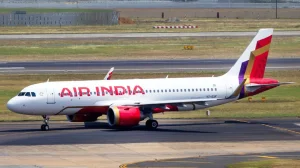
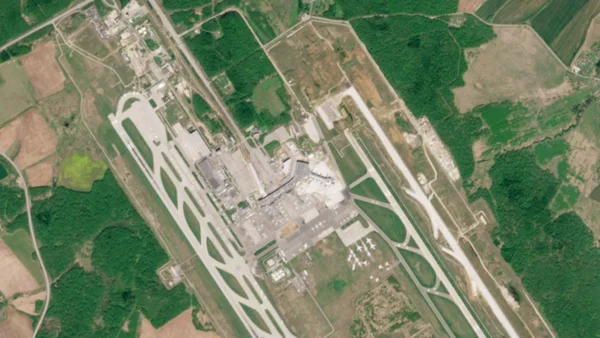
Russia’s aviation regulator put a stop to comings and goings at Vnukovo, Sheremetyevo, Domodedovo and Zhukovsky to the southeast. Once the threat was called off, they let things get back to normal. Officials described the interlude as a no-nonsense way to keep passengers safe.
Escalation signals and air defence claims
This is not the first time in as many days. Not long ago, Moscow’s only oil refinery was in the crosshairs. Back then, the Russians put the number of drones they neutralised at around 200, one of the heaviest we’ve seen since the war in Ukraine got under way in 2022.
Then on Monday, the defence ministry had its own numbers. Local reports say 301 drones were brought down in the hours before dawn, some in territory Russia holds. It all adds up to a lot of activity in the air and fresh headwinds for infrastructure and safety.
Casualties reported in Odesa and Zaporizhzhia
In the south, an Iskander missile from Russia found its mark in the Odesa region on Sunday night, says Governor Oleh Kiper. One person was killed and three hurt when it hit an agri-facility in the district, setting fire to some vehicles and tanks of fuel.
Over in Zaporizhzhia, a woman has been lost and three others are in hospital after a drone made landfall, according to local governor Ivan Fedorov. Ukrainian officials say they have sent in teams to put out the fires and see what else has been done in.
Maritime incident and Crimea security curbs
Out at sea, the Ukrainian navy has confirmed that a Russian drone made contact with the Victress, a Turkish cargo ship flying the Panamanian flag. There were some among the nine on board who didn’t make it, but the rest of the crew were pulled to safety.
Sevastopol in Crimea has upped the ante. Governor Mikhail Razvozhayev called off any open-air public doings for Monday and left the street lights dark for the night, asking people to be mindful of their power use.
With the energy situation what it is, they have put a hold on fuel for the general public and for business in Crimea. It is being reserved for the government and those in the know. They will have you believe it is because of the drone runs on their supply lines and the like, which has created a bit of a shortage.
What officials say comes next
Here is how they are handling it for the moment:
– The airports in Moscow are open for business again
– We have sent in crews to deal with the remains of the drones
– No more open-air events in Sevastopol, for good measure
– A word to the wise: turn down the electricity
– In Crimea, you can only get fuel if you are in essential services
You could say the way they closed and re-opened the airspace around Moscow in such quick order is a matter of keeping up appearances without compromising on safety. But with the kind of strikes we are seeing in Odesa and Zaporizhzhia, and trouble at sea, the reach of this conflict is very much dictating how people live and travel on either side of the line.