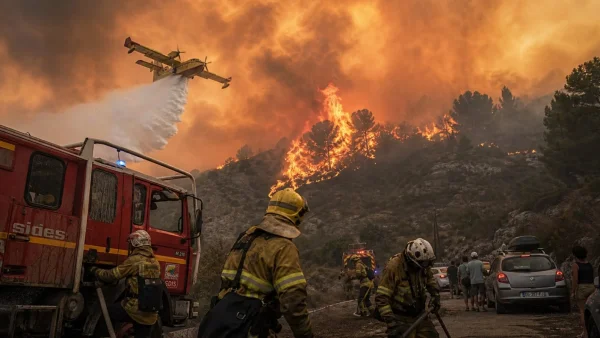
You can see the shift in how investors are thinking: it’s less about war risk and more about what the weather has in store. A Super El Nino is all but certain to put a crimp in crops, rattle power demand and stoke inflation, so there is some rethinking to be done on the books of everyone from energy firms to insurers, even as stocks hold up near the top.
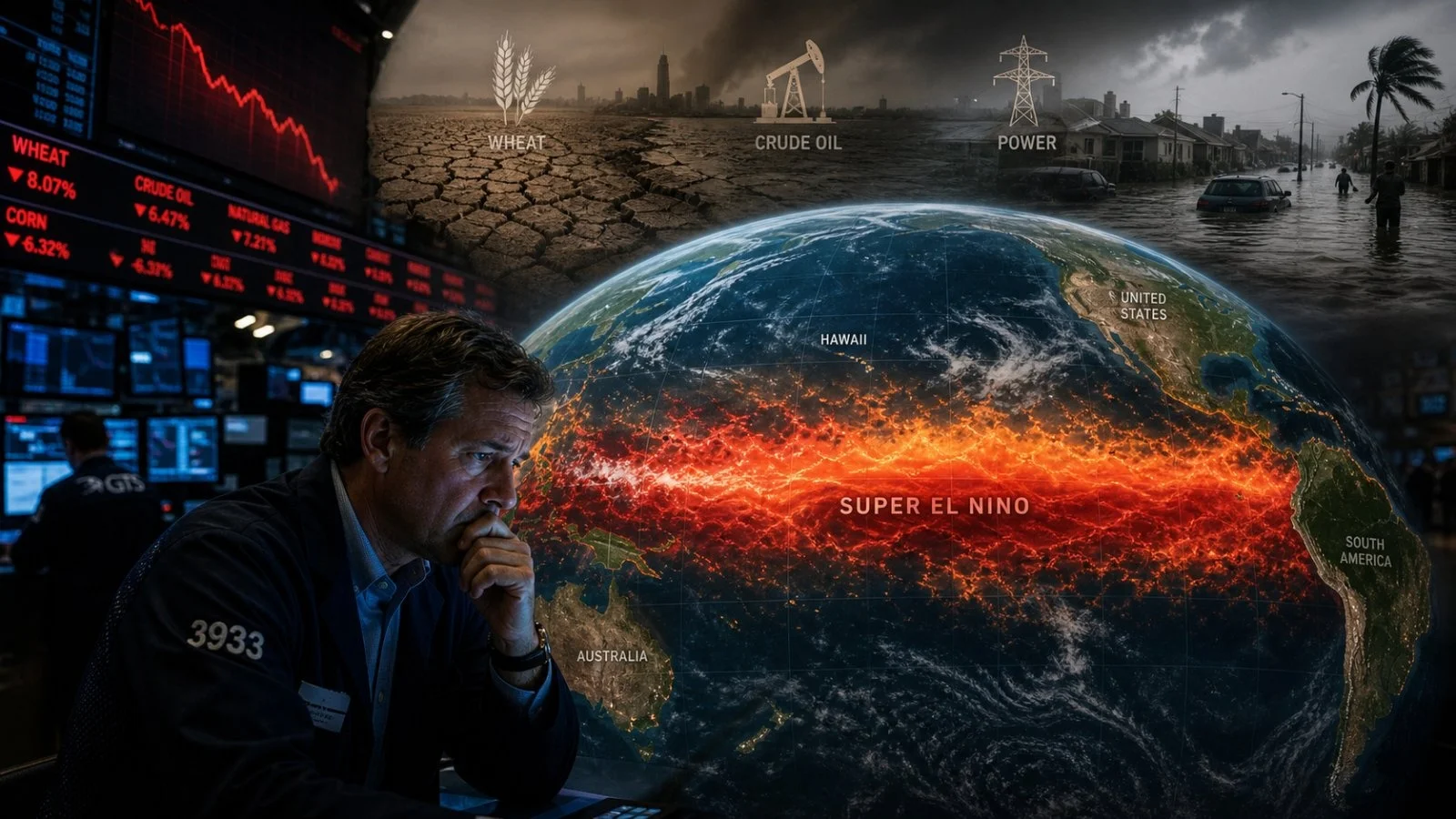
Why a Super El Nino is a market risk
It comes down to the Pacific. When the surface waters there stay warm for any length of time, you get El Nino. It’s a pressure system that can mean floods in one place and no rain in another, and it only adds to the strain on supply chains that are still not quite over their last round of hiccups.
The US Climate Prediction Center puts the likelihood at 63% for a very strong event by 2027. Put it in perspective: a 2015-16 study from Dartmouth College put the cost of a similar episode at over $7.8 trillion in lost productivity.
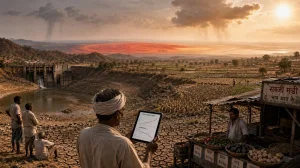
We’re seeing the real economy move on it. The monsoon in India was late to the party, and Peru put a stop to its fishing for a while. You can expect those kinds of things to have a run-on effect on commodities and prices, and central banks are keeping an eye on any new inflation that might come of it.

Power demand whiplash: energy winners and losers
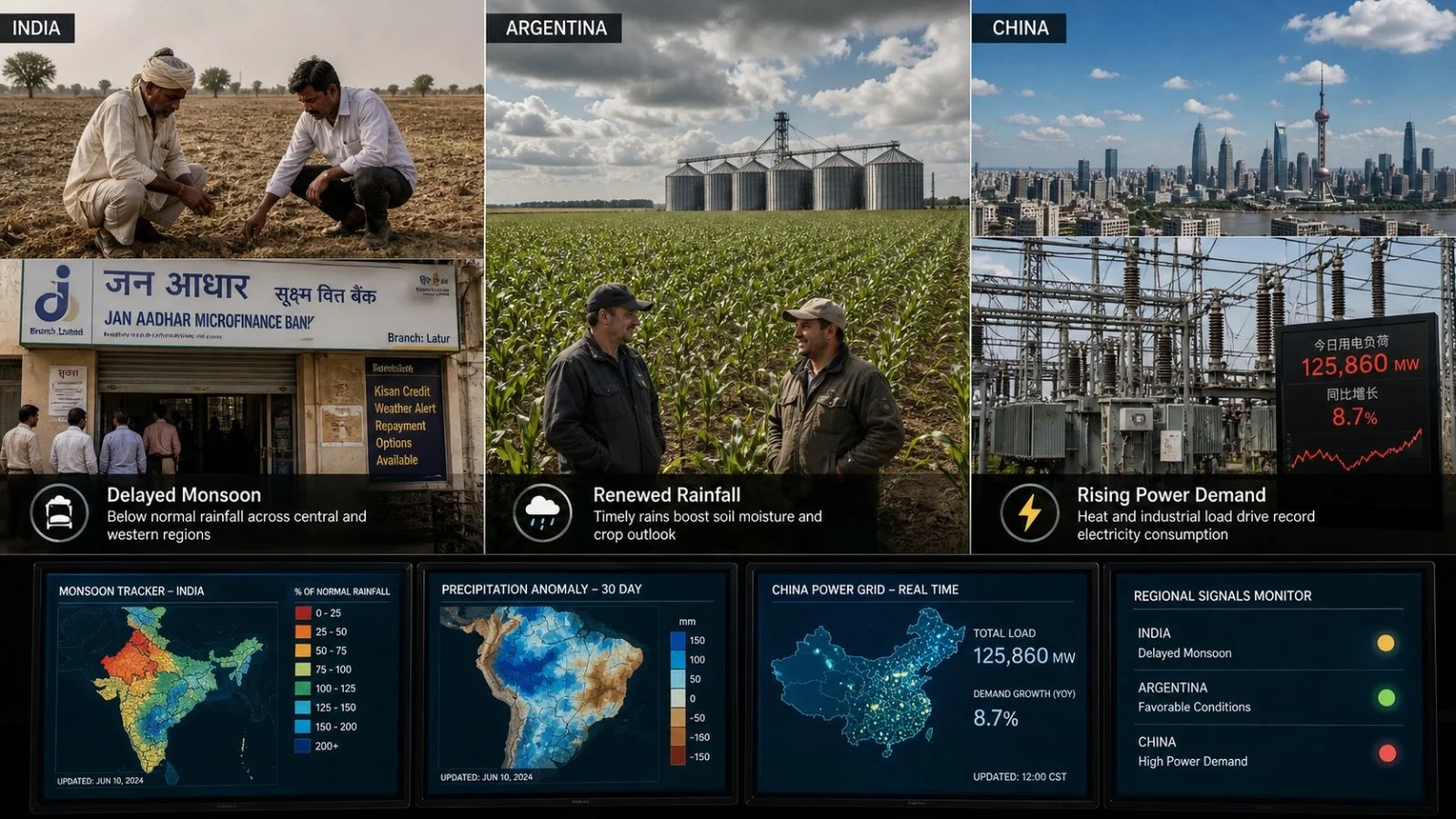
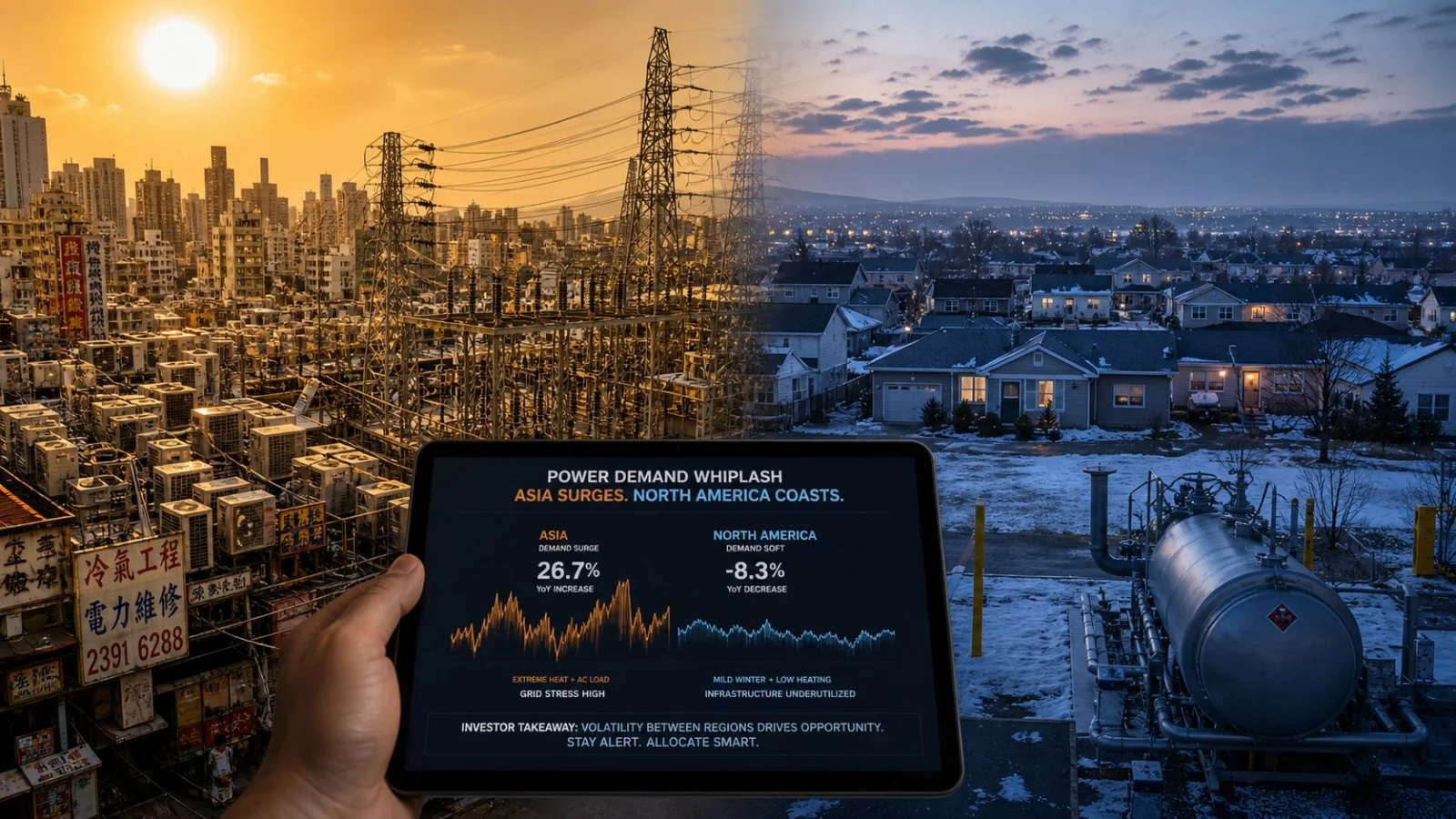
When the heat is on in Asia, you can count on cooling needs to go up, and the grid is already under a lot of stress. Jefferies is pointing to some in India like JSW Energy and Adani Energy as ones to watch as the call for air-conditioning picks up.
Over in China, power producers have been on a tear. Guangdong Electric has moved higher, and Jinneng Holding Shanxi is up 64% on the year. Investors are clearly making room for a long hot spell.
North America is the opposite. A mild winter can be a bummer for heating, and with it, natural gas. Gabe Daoud of Truist has a bearish view on the setup, with names like APA, EQT, Range and EOG in his crosshairs for some potential headwinds.
Insurance and financial exposures
El Nino has a way of taming Atlantic hurricanes, and that is good for property and casualty types. Matthew Palazola of Bloomberg Intelligence says it could be a help for Florida carriers, where you have Allstate and a host of private mutuals and smaller regionals.
Paul Newsome at Piper Sandler figures lower hurricane losses in the US will be a plus for the industry. If we have a quiet season in the Northern Hemisphere, he sees Allstate, Progressive and Travelers as the ones to come out ahead.
Banks are in a bit of a bind. Yuri Fernandes and the rest of the team at JPMorgan are flagging some downside for Peruvian lenders who are tied to the fishing and farm industries. They’ve downgraded Credicorp and Intercorp, in part because of the El Nino and in part because of the noise around the election in Peru.
Food supply, inputs and pricing
Farming is where you’ll feel it first. UBS is calling for some softness in corn and wheat, and sugar in Asia is in the line of fire. India, for one, has put an export ban on in place through September, and that is a weight on Shree Renuka and Bajaj Hindusthan.
Then you have Indonesia. As the world’s leading palm oil maker, they don’t do well when an El Nino makes for drier, hotter times. It muddies the waters for plantation earnings and, with local worries over classification and shipping, you see a risk premium on the stock side of things.
Some crops are fine, though. UBS says El Nino has been a friend to soybean growers in the US and southern Brazil. And if you look at Argentina, Morgan Stanley thinks better rains and higher sugar prices are in the cards for Sao Martinho and Adecoagro.
Those in the market for a hedge are looking at water and irrigation. In India, you have VA Tech Wabag, Jain Irrigation, Astral and Shakti Pumps, which may well draw some attention as farmers try to make up for a lack of rain.
It’s not just in the fields. Sebastian Bray at Berenberg is looking at fish oil, where Peruvian prices have been at record levels of late. That is a tailwind for Omega-3 algal oil makers like Corbion in Europe.

Fertiliser and crop protection: where capital could rotate
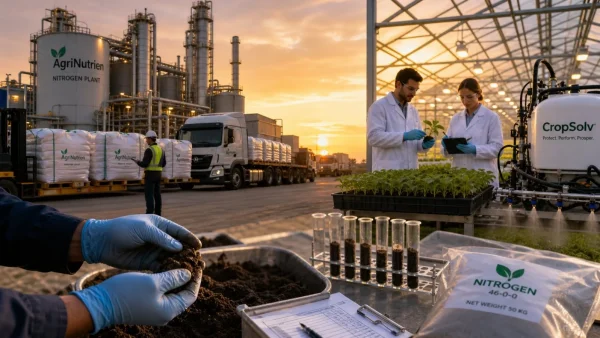
When you have a supply squeeze, fertiliser is key. Ben Isaacson of Scotia Capital is for the short-cycle, price-sensitive nitrogen plays. CF Industries and Nutrien are set to do well if the demand for nitrogen holds firm.
Andrew Wong at RBC has a word of warning, though: the dry conditions have begun to put a damper on potash demand. With conditions deteriorating, you can see potash-heavy plays like The Mosaic Co. in a tough spot should volumes ease and prices can’t keep up with their nitrogen counterparts.
Then there are the farmers. When yields are down, they’ll put up the money to make ends meet. Arun Viswanathan of RBC Capital Markets sees that as a tailwind for outlays on seed tech and crop protection. For a U.S. firm like Corteva Inc., it’s an opportunity to make inroads with growers looking to offset any El Nino-related damage.
Metals, mining and the logistics headache
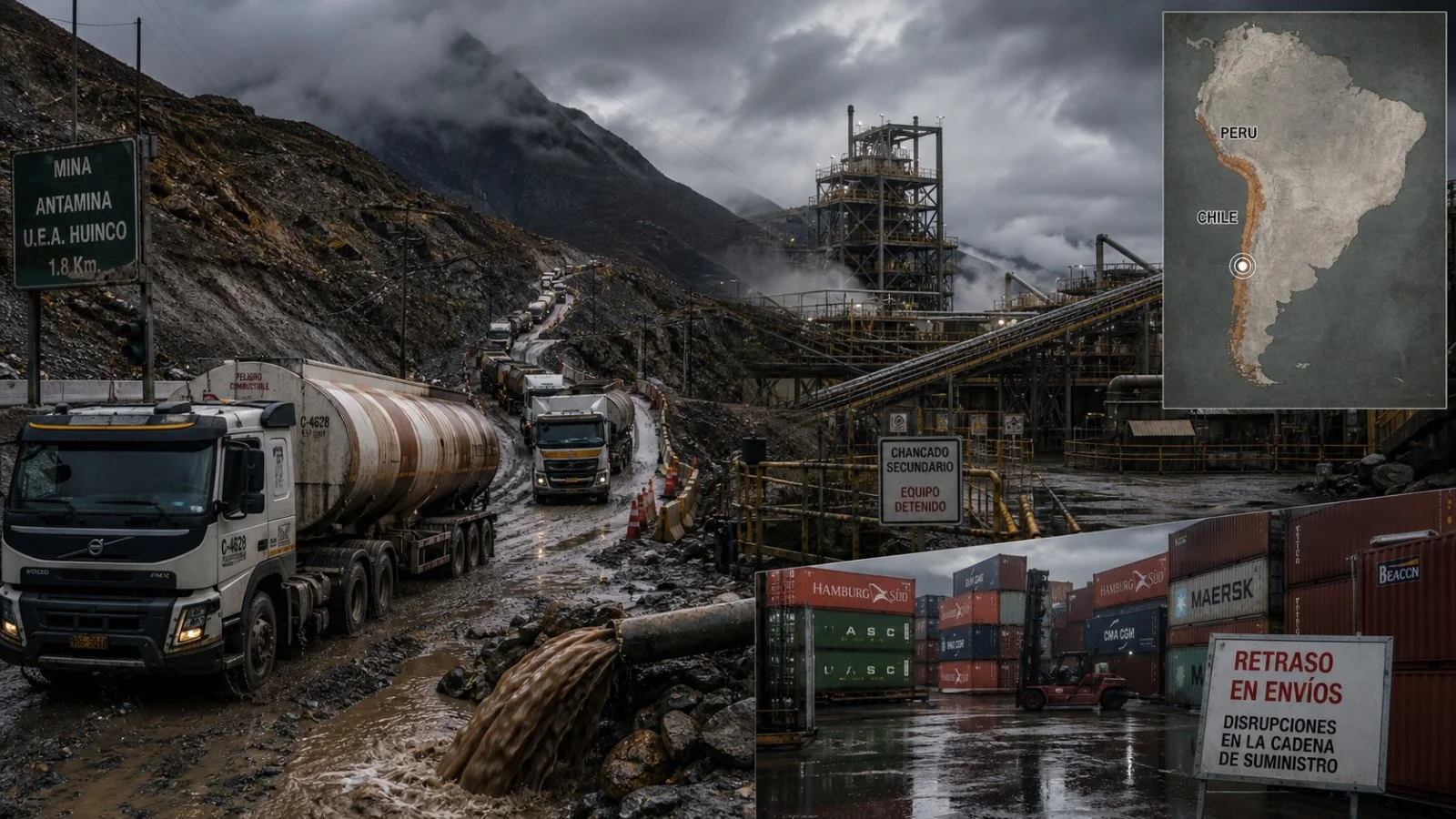
Ole Hansen at Saxo Bank is on the case: more rain in some of South America has the potential to clog up transport and throw a wrench in mining. You have to look at copper in Chile and Peru, where the exposure is high and the ripples can be felt in manufacturing and input costs worldwide.
If the weather gets in the way of output or moving product, we could see some hard looks at companies with skin in the game in those countries, like Freeport-McMoRan and Anglo American. A small hold-up here and there can work its way through to your bottom line.
Don’t overlook power. A lack of hydropower can put a crimp in aluminium smelting in places like China, which is a risk when the auto and building sectors are counting on a steady flow of metal. As you shift around energy, expect some margin wobble.
Over in Indonesia, UBS is penciling in a 1% drop in growth over four quarters on the back of drought in the ag and mining space. That has PT Amman Mineral and PT Merdeka Copper Gold on the radar.

Macro: where inflation, policy and equities collide
It’s not just about the raw materials. A warmer planet means more power being used and less coming in from the fields, and that feeds into top-line inflation. It makes for a trickier call for central banks while stocks are hovering near all-time highs, very much at the mercy of rate talk.
Hansen of Saxo points to the timing. We’re still in the process of working through the inflation left by the Iran situation and our supply lines are thin after what they’ve been through. Add in some weather whiplash on already fragile routes and you’re looking at more price swings.
For those putting capital to work, it’s a question of earnings and multiples. Firms with cash flows that feel the weather might have to walk back some guidance, while anything that looks like a climate hedge will be worth more. You have to be on top of what the sectors are telling you.
Where to look regionally
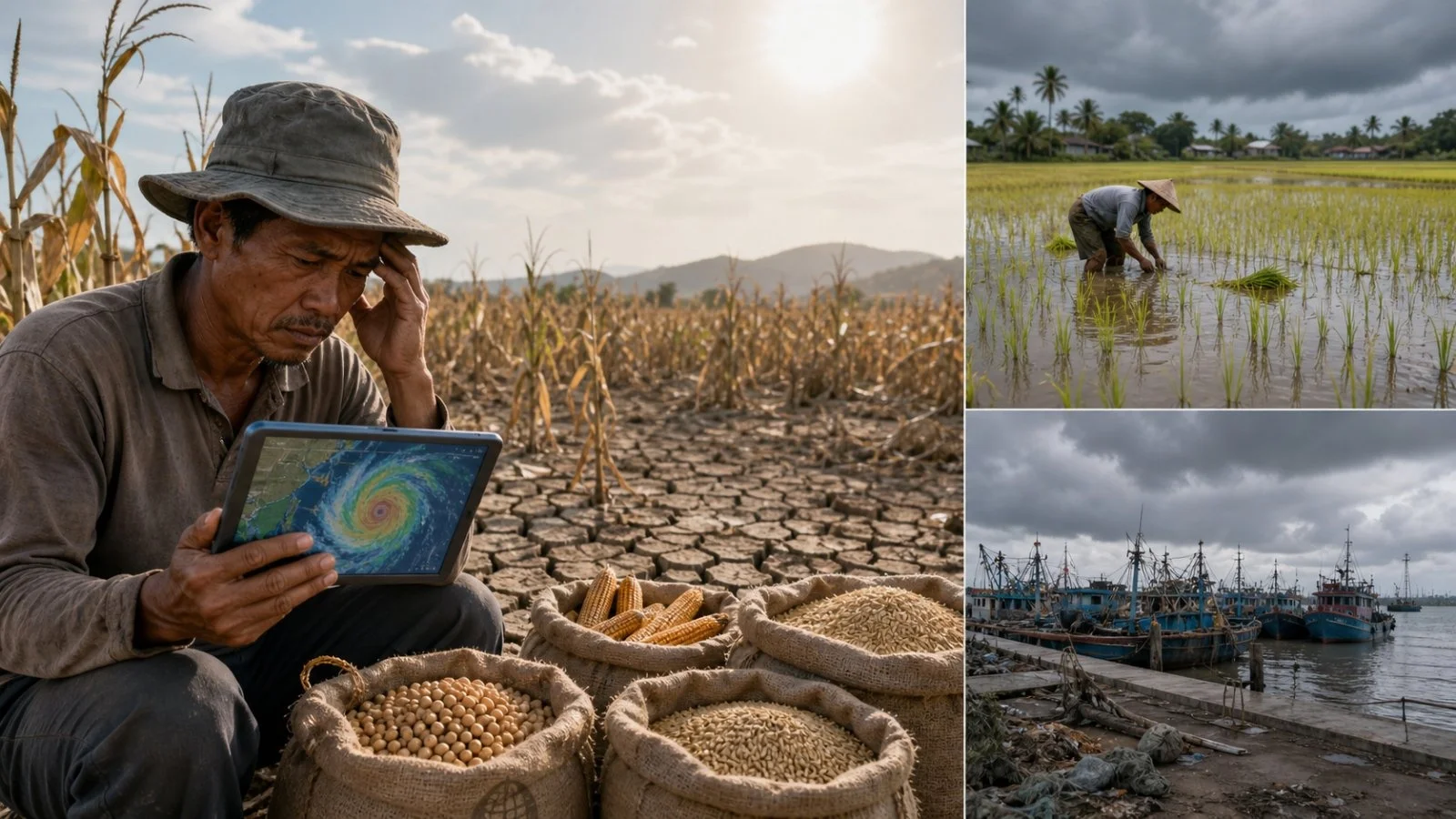
India's monsoon is late, and it’s a reality check for farm revenues. Lenders like Bandhan Bank may find things a bit tighter if a poor season saps rural cash and makes it harder to get paid back.
In Latin America you have two sides to the coin. Better rain in Argentina is a balm for some in the industry, but in Peru the fishing season has been put on ice for now. How this plays out is a matter of how well you can handle the logistics and how soon the weather comes back to normal.
China is all about the power grid. With the heat on, operators are under pressure. Look at Jinneng Holding Shanxi Electric Power – up 64% this year – and you see how fast the market revalues when a heatwave puts capacity in jeopardy.
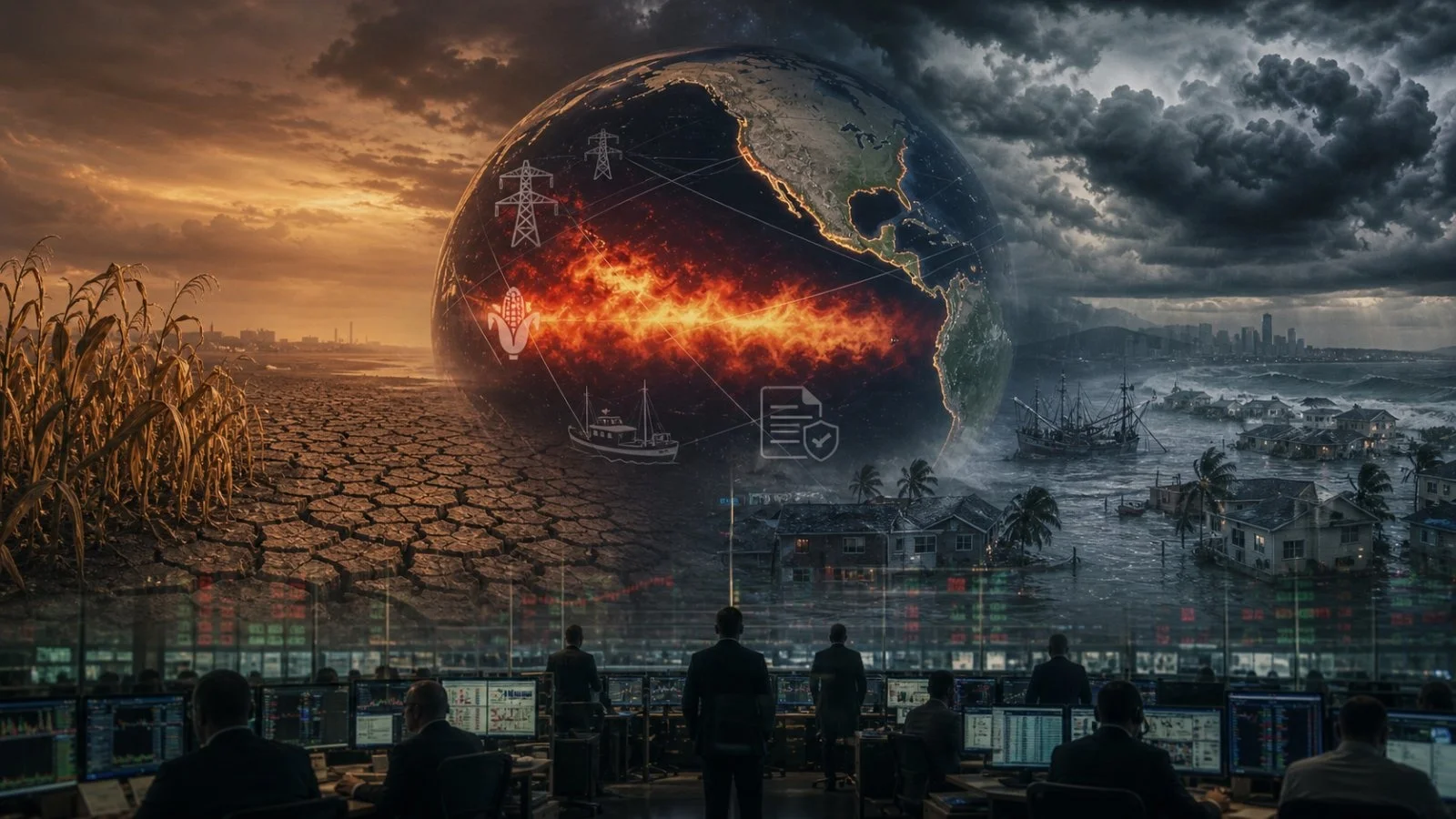
The move for traders
This isn’t some far-off story about a Super El Nino. You need to have your positioning and controls in order before the weather does its thing and rewrites the price book. Here is a way to think about it:
– Put your portfolio through the wringer for heat, flood and drought.
– Take another look at your hedges on food and energy.
– Don’t let the monsoon or crop data pass you by.
– If you have to choose, go with nitrogen over potash.
– See who is winning in water management and irrigation.
– Be aware of how U.S. natural gas is reading for a milder winter.
– Keep an eye on the copper coming out of Chile and Peru.
– Re-evaluate the long end on P&C insurance.
– Check how much you’re exposed to Peruvian ag and fish.
– Cover for any earnings that are at the mercy of the weather.
How you execute is as important as what you pick. When a weather story breaks, liquidity has a way of vanishing and you can get run over on the bid-ask. Use options, size your positions right and you can avoid some of the gap risk.
Be clear on your markers. In ag, it’s the planting, the rain, and things like India’s sugar export ban. For power, you want to be on top of the load in Asia and what’s in the fuel tank.
Stick to what the data says. Firms like UBS, Morgan Stanley, RBC and the rest of them have been pointing out the sector hits. Go with that, not with a hunch or last year’s patterns.
And don’t forget the lopsided nature of it. A weather event can hit before your balance sheet is ready. With a 63% chance of a strong one on the docket for 2027, it’s something to take seriously in a market that is only pricing in good times.
The next few months will tell. If the heat is on and the harvest is short, the inflation sirens could go off and the Fed and others may have to hold the line. Make El Nino part of the equation now and you’ll be in a better spot if it happens.