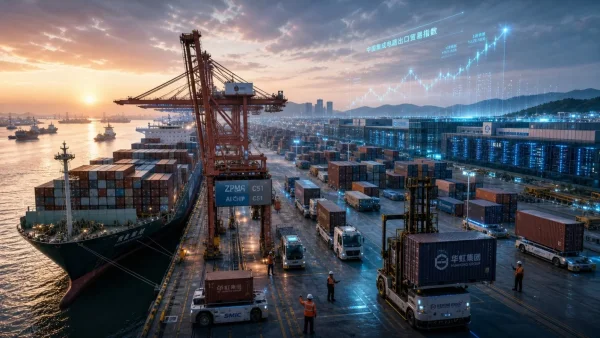
China’s trade engine fired on all cylinders in June, with exports and imports surging faster than forecast as the global rush to build AI infrastructure lifted demand for chips and hardware. The AI-driven spike powered a larger surplus and sharpened competition across Asia, even as domestic headwinds linger.
AI hardware boom reshapes trade dynamics
AI data centres and high-performance computing are redrawing Asia’s trade map. Customs officials said demand for computing data centres and terminal equipment continued to expand, feeding a historic shortage of semiconductors and related electronics.
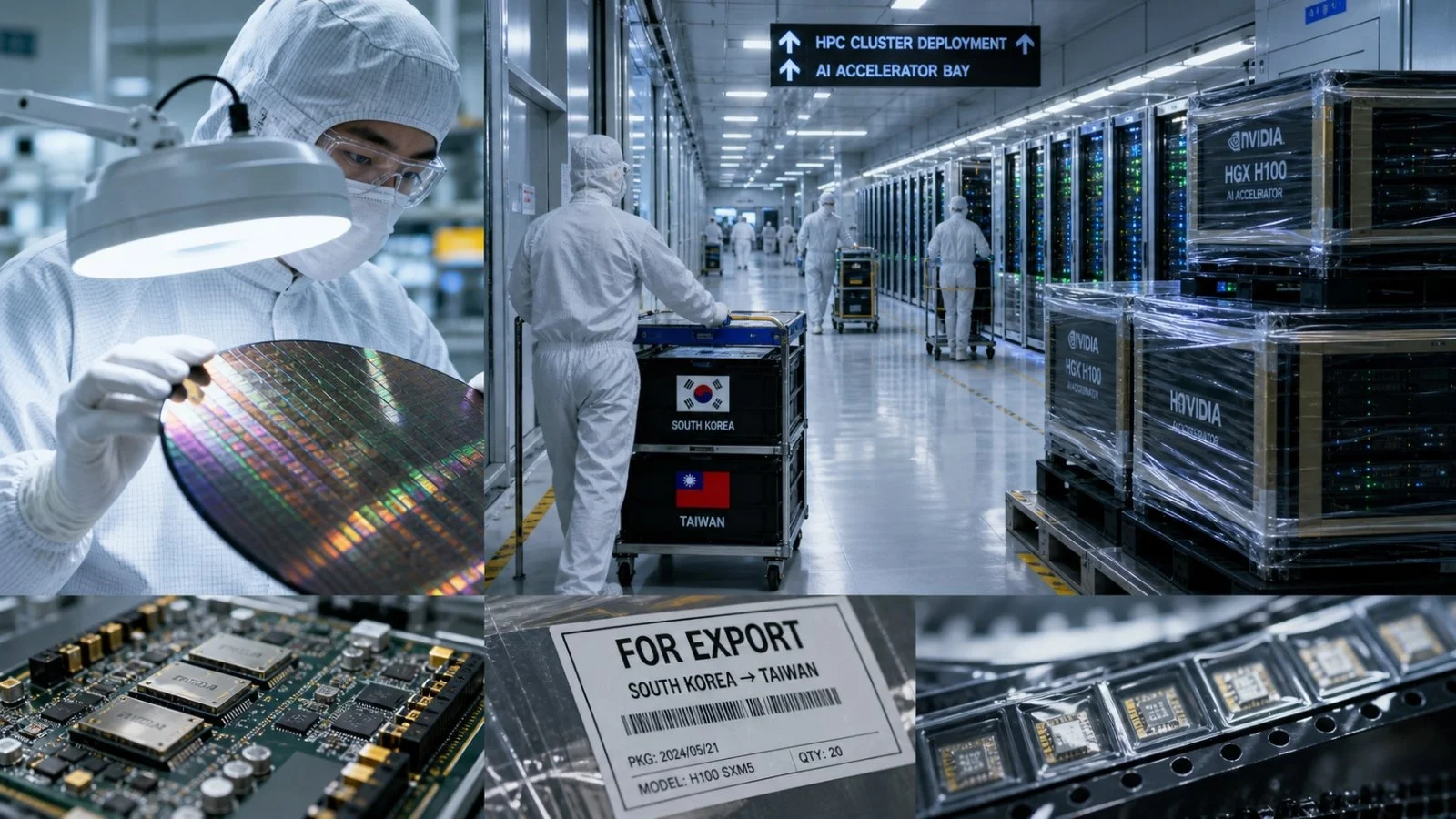
Chip prices have soared as much as 700% over the past year, a rally that has turbocharged shipments from South Korea to Taiwan. The upswing has helped shield China from war-related energy volatility and a soft home economy.
But the payoff comes with risk. The AI-led surge is making growth more unbalanced and exposed to a swing in global tech demand. In China, the technology shift is also adding stress to an already fragile labour market, according to analysts.

June numbers: a decisive beat on forecasts
Exports rose 27% year-on-year in June in US dollar terms, the strongest growth in four months, according to customs data. That easily beat economists’ projections and underscored resilient overseas orders despite slow global growth and fraught geopolitics.
Imports jumped 36%, the fastest pace in five years, reflecting heavy purchases of technology inputs and raw materials. Economists had expected a 24% rise. The trade surplus widened to $125.6 billion, the second-biggest ever.
Inside the demand driver
AI-related shipments led the charge. Import flows show the depth of the buildout: purchases from South Korea climbed 85% year-on-year in June, while those from Taiwan rose 41.1%. Both are critical suppliers of advanced semiconductor components.
Officials highlighted sustained appetite for computing gear as companies worldwide scale up AI investments. That momentum has kept Chinese factories busy even as domestic spending remains weak.
Competitive ripples and pricing playbooks
The AI cycle is ricocheting through regional markets. South Korea’s exports to China surged 92% in June from a year earlier, the fastest pace since 2010, underscoring China’s central role in the semiconductor supply chain.
Yet exuberance is colliding with market nerves. Repeated selloffs hit Korean equities recently, and chip giant SK Hynix Inc. fell by a record 15% on Monday as investors questioned the sustainability of the boom.
Chinese exporters, meanwhile, leaned on aggressive pricing to hold share as global buyers faced higher costs from energy shocks and uncertainty. US retailers also moved orders forward by four to six weeks to stock up ahead of potential tariff increases later this year.
Growth balance and policy watch
The external uplift is not solving domestic strains. A prolonged property slump, weak consumer confidence and discounting at factory gates point to uneven recovery. Analysts say second-quarter growth likely slowed near the lower bound of the official 4.5% to 5% target.
Energy remains a swing factor. China has significantly reduced foreign oil purchases in recent months after the war began, even as it plays a bigger role in balancing the global market. Analysts expect crude imports to recover as authorities return to strategic stockpiling later this year.

What to watch next
The next few weeks will test how durable the AI tailwind is and whether policy support can stabilise domestic demand.
– China will release second-quarter GDP data on Wednesday
– Trends in chip prices and lead times for data centre gear
– Any US tariff developments that could pull forward orders
– Changes in oil imports tied to strategic stockpiling plans
The headline trade beat gives Beijing breathing room. But with momentum hinging on AI capex and sensitive geopolitics, China’s export machine now depends more than ever on a narrow set of global bets.