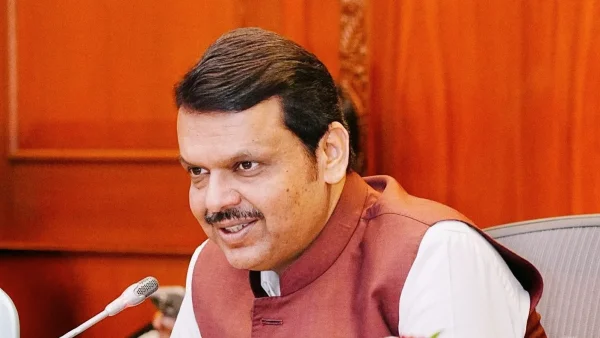
Maharashtra is in the running to make a name for itself by outdoing the economies of Singapore and the UAE in as little as 2 or 3 years. On Friday, Chief Minister Devendra Fadnavis put a face on that kind of ambition, linking it to a wave of AI in governance, a boom in startups and some hard-nosed execution when it comes to investment.
Why the claim matters now
Fadnavis doesn’t see this as a long shot; he sees it as where the momentum is taking them. In his telling, Maharashtra isn’t in a contest with other Indian states – it is, he says, already the 30th biggest economy in the world.
You can hear the confidence in the state’s case made at the Jio World Centre for ‘ImagineX 2026’. It was all about having the credentials and the track record to back them up. He has no trouble calling the state India’s hub for startups and unicorns, with a clear edge in R&D and growth.
Signals of execution capacity
When you’re an investor, what gets put to work is more important than what is said. Fadnavis puts the numbers on the table: Maharashtra is turning 55-60 per cent of its MoUs into actual investment, well above the 35 per cent you’ll find on average in the rest of the country. And for the pacts made at the World Economic Forum, the implementation rate is 85 per cent, he says.
He was specific about how they follow through on proposals from one end to the other:
– You have a relationship manager for every proposal
– There is a war-room to see to it things are done
Technology as force multiplier
With tech and AI as ‘force multipliers’, the government has put in place its own department and commissionerate to get AI into the fabric of both industry and the way we govern. The criminal justice system is a good example: everything from the crime scene to the chargesheet is now digital and on the blockchain.
It’s not just for law and order. They are using AI in farming on a big scale. Take the ‘Mahavistar’ app, which 50 lakh farmers have on their phones for some smart help with their work. It even has support for the Bhilli tribal language so a farmer can get the advice he needs in his own tongue.
Trajectory and targets
The CM values the state’s economy at USD 660 billion, making it the Indian state with the shortest path to the USD 1 trillion mark. He has seen it grow from some Rs 14 lakh crore in 2015 to Rs 54 lakh crore now – over three times as much in ten years.
He figures that with a 10 per cent average growth rate, they will hit the trillion-dollar figure by 2030, hiccups like El Nino aside. That is the line of reasoning behind his take that they can leave Singapore and the UAE in the dust in a couple of years.
Long-term governance architecture
There is a plan for it, of course. The 'Viksit Maharashtra 2047‘ document lays out the road ahead in phases: 2030 for the short term, 2035 for the medium, and 2047 for the long haul. But as he put it, it’s not something you file away; you watch to make sure it happens.
A ‘Vision Management Unit’ is on top of 2,000 data points from across the board. It’s a way to make sure the budget, the projects and the results are in step and on time.
Demographics play a part in the AI push too. With 65 per cent of Indians under 35 and full of drive, he says there is less resistance to rolling out new digital tools in any sector.
What to watch next
The idea is straightforward: if you have AI in your governance, you convert MoUs at a high clip and you keep a close eye on things, you can get to those economic numbers in a hurry. If that holds true, the pipeline becomes GDP fast, in Fadnavis’s view.
So the bet is that the 30th largest economy in the world will soon be better off than the UAE or Singapore. We will have to see if the investment delivery and the spread of AI in public life bear him out.