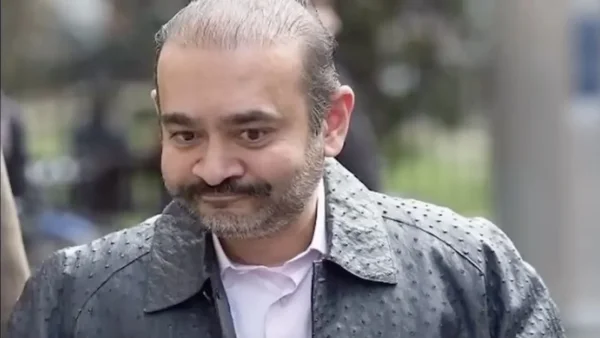
Officials say the final stages of getting Nirav Modi from the UK are now happening. People from the Central Bureau of Investigation (CBI) are in London to arrange for him to be brought back to India once all final permissions are given. This shows the process has gone from arguing about the legality of the return to actually making it happen.
Extradition Moves Into Final Phase
Most of the important legal problems in the UK have been dealt with. The fact that CBI people are in London suggests they’re getting ready to physically bring Modi, the diamond trader, back to India as soon as the last of the official approvals are received.
If Modi is brought back to India, it will be a very public and important win for India in its effort to get back people who have fled the country because of financial crimes. Officials say this has been the result of many years of work by legal experts, diplomats and law enforcement, with lots of paperwork, promises to the UK, and court hearings.
Where the Legal Battle Stands in the UK and Europe
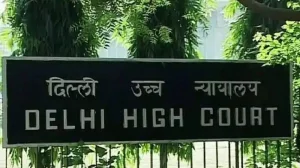
In March, the UK High Court refused to reconsider its decision to allow Modi to be extradited. They said the Indian government had given strong and good guarantees about things like the conditions in prison and medical attention for Modi. This ended all legal challenges in the UK.
Now, the focus is on the European Court of Human Rights in Strasbourg. Those ‘in the know’ say the ECHR has allowed Modi’s case to be kept secret, so the proceedings are confidential. A hearing is expected shortly, and both Modi’s lawyers and Indian authorities will be able to present their sides.
If the ECHR says no to Modi’s appeal, that will be the very last legal obstacle to him being sent from the UK, where he’s been held in Wandsworth prison since March t 2019. People in London are making practical preparations for this, even though they are waiting for the European court to decide.
What Awaits Nirav Modi in India
When Modi returns, he’s expected to have a fast trial for the alleged fraud and money laundering at the Punjab National Bank. The cases started by the CBI and the Enforcement Directorate will move quickly, with him being questioned while in custody, evidence being shown, and the court dates being set very soon after each other.
India has given a number of official promises to courts in other countries. These promises relate to making sure Modi is treated fairly, that he gets medical care, and that the conditions where he’s held are acceptable. These promises have been very important in the courts’ decisions in other countries and will affect how he’s held and how the trial is run when he gets to India.
Timeline of the Case and Key Allegations
India first asked for Modi to be sent back in July and the CBI and the ED were involved. In February 2020, a second request was made, this time saying that Modi had tried to change evidence and get witnesses in the CBI investigation to lie, on top of the original fraud and money laundering accusations.
The charges say that Modi set up a plan using unauthorized Letters of Undertaking (documents issued by a branch of the Punjab National Bank in Mumbai). These allowed him to get credit abroad without providing proper security. Investigators estimate the total amount of money involved is about 13,000 crore Rupees, and the CBI says Modi himself is responsible for about 6,498.20 crore Rupees of that.
The investigation also involves Modi’s uncle, Mehul Choksi, who is facing similar accusations in other countries. Reports say Choksi is currently in a prison in Belgium. This adds an international element to finding assets and potentially starting further legal proceedings relating to the Punjab National Bank fraud.
Implications for Financial Governance and Enforcement
Successfully getting Modi back to India would have a big impact on how India deals with financial matters and enforces the law. It would show how well countries can work together across borders, would discourage other wealthy people from fleeing to avoid facing charges, and would test the system’s ability to have quick and open trials in complicated financial crime cases.
This case is a reminder to banks and the financial markets of the dangers of not having proper controls and using complicated ways of financing trade. Since the fraud at the Punjab National Bank, regulators and banks have made their processes for guarantees and getting credit from other countries much stricter. They are now monitoring things in real time, connecting their main computer systems, and keeping a clear record of all transactions.
For those who make policy, the outcome of this case will influence how the rules on people who have fled the country with money from illegal activities, recovering assets, and getting legal help from other countries are developed. Law enforcement agencies will likely work even harder to find money that has been moved around the world, use agreements to get help from other countries legally, and work with organisations such as Interpol to get the money back and speed up investigations.
What to Watch Next
Right now, everyone is waiting for the ECHR to make a decision on Modi’t appeal. If the ECHR turns it down, it will make the practical arrangements for getting him from London much easier. People will also be watching how the Indian courts set the first dates for Modi to appear in front of a judge, how he is allowed to contact his lawyers and get information, and in what order the cases from the ED and CBI will be heard.
However the timing works out, the process of getting Nirav Modi back to India is nearly at a final point. For India’s legal system, the next step will be to make sure Modi has a fair and quick trial, that he is held accountable, that he is treated fairly, and that people have confidence in the country’s ability to deal with complicated financial crimes.