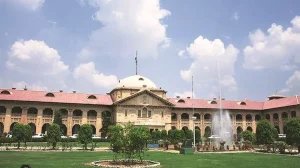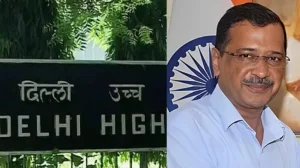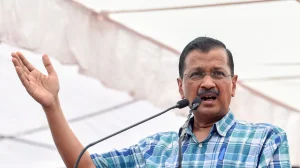
On Monday, the Central Bureau of Investigation (CBI) said former Delhi Chief Minister Arvind Kejriwal shouldn’t be able to have Justice Swarana Kanta Sharma removed from hearing the CBI’s attempt to reverse a decision in the Delhi liquor case. Justice Sharma has officially received Kejriwal’s request to step down and will be hearing it on April t3th. The dispute has brought a lot of legal and political attention.
Background of the Delhi excise case
This all started with alleged problems in the Delhi Excise Policy of 2021-2022, which has now been cancelled and is being investigated by the CBI and the Enforcement Directorate. February 27th saw a lower court free Kejriwal, Manish Sisodia and 21 others because the CBI hadn’t presented enough evidence to even suggest a case.
Judge Jitendra Singh gave a very detailed 601-page explanation of his decision, stating that the investigating officer had misused their power and should be disciplined within the CBI. The CBI is appealing that decision, and says the lower court ignored a lot of evidence including emails, WhatsApp messages, and what people said when they were questioned.
CBI response and Solicitor General’s arguments
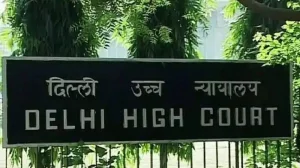
Tushar Mehta, the Solicitor General and representing the CBI, told the Delhi High Court that Kejriwal's request for Justice Sharma to recuse herself is without merit, unnecessarily annoying and almost disrespectful to the court. Mehta said the accusations against the judge are serious and if they aren’t addressed could cause the public to lose faith in the courts.
Mehta also asked the court to make Kejriwal come to court for all future hearings if he plans to argue that Justice Sharma should step down. He suggested he shouldn’t just be there this time. He also suggested the court deal with all similar requests for Justice Sharma to step down at the same time.
Kejriwal’s stance and procedural moves
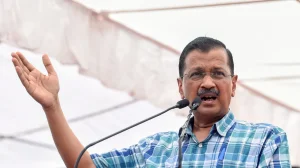
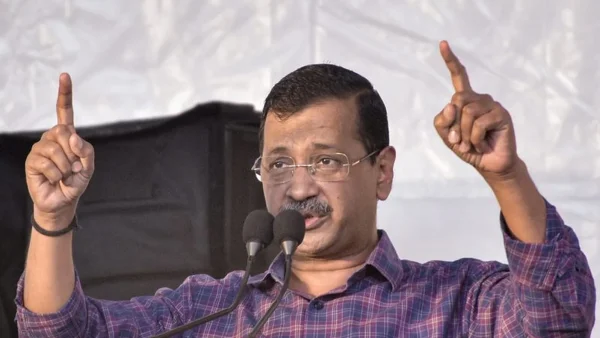
Kejriwal was in court and said he will present the argument for Justice Sharma to remove herself and has dropped a separate request at the Supreme Court asking for the case to be moved. He stated he hasn’t officially given any lawyer the authority to act for him and will be using his legal rights himself.
In the original request, Kejriwal and many others accused of the same crimes said they have a strong, honest and reasonable fear that Justice Sharma can’t be fair in the case. Seven of the people who were let go by the lower court have also asked for Justice Sharma to step down, and the judge said if anyone else feels the same way, they should submit their request quickly.
Court orders and immediate next steps
The Delhi High Court told the CBI to provide their response by the following day and set the hearing on whether Justice Sharma should remove herself for April 13th. The court had previously paused parts of the lower court’s decision which called for discipline for the CBI investigator, saying it was too early in the case to make those judgements.
The court also gave Kejriwal and the other accused until April 5th to respond to the CBI’s appeal, but said it would not make a decision about moving the case or having Justice Sharma step down until all the formal submissions are in. The court wants everything filed in an orderly way and thinks similar requests should be combined.
Legal and political implications ahead
If the court allows Justice Sharma to recuse herself, the appeal would go to a different group of judges, which could change when the case happens and how the legal strategy is done. If the request to remove her is refused, the High Court will look at the CBI’s challenge to the lower court’s decision to free the accused, and this will have a huge effect on the related investigations into money laundering.
This situation shows how strained the relationship is between the groups investigating the case and the politicians accused of wrongdoing and it brings up questions about which judges get which cases, what is proper behavior for a judge and how quickly high-profile cases are dealt with. People are looking to the April 13th hearing to see how the court will balance making sure the legal process is fair with actually deciding what happened in the liquor policy case.