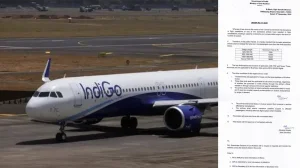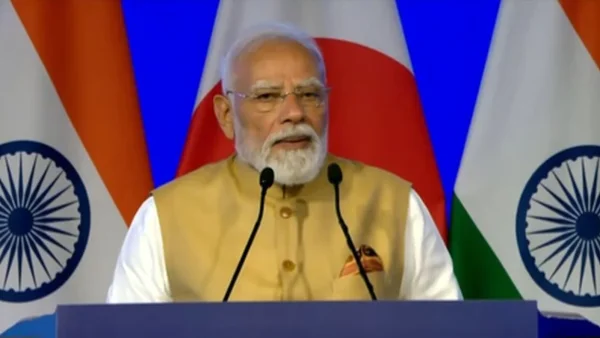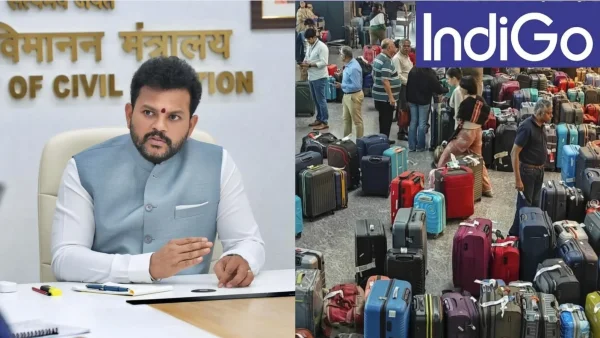
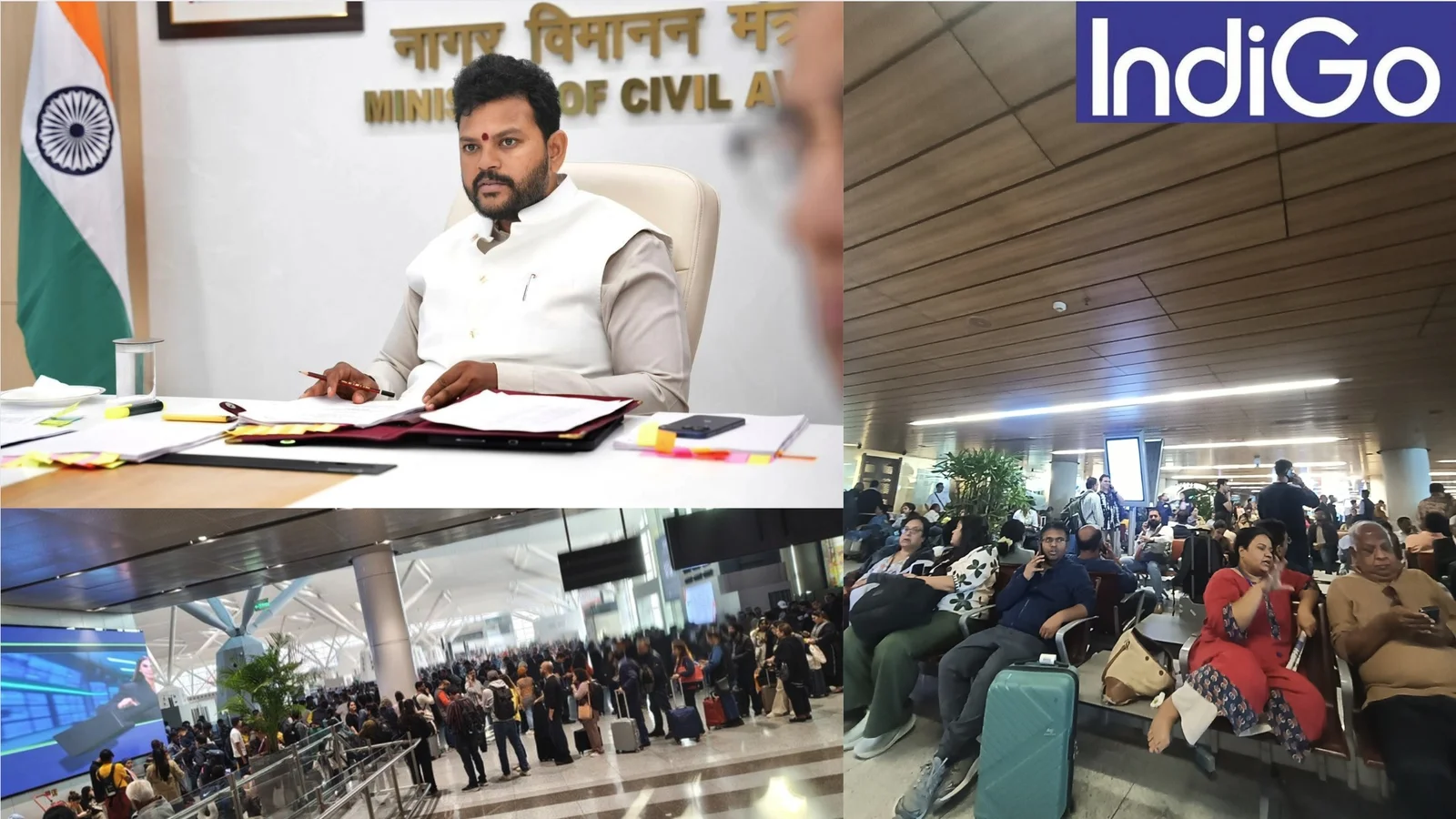
Naidu explained that the problems happened because IndiGo didn’t handle assigning crews to flights (called ‘rostering’) very well with the revised flight duty time limitations (FDTL) set by the DGCA (Directorate General of Civil Aviation). Air India and SpiceJet did manage the change to the new rules. The Ministry temporarily eased some of the DGCA’s rules for IndiGo to allow the airline to get things running smoothly again and reduce crowding at airports.
What triggered the meltdown: FDTL transition
The DGCA updated the FDTL rules to reduce tiredness among pilots. These changes mean pilots now get 48 continuous hours of rest each week, instead of 36, and ‘night duty’ is defined as midnight to 6am. They also lowered the number of night landings a pilot can make and limited how many nights in a row a pilot can work. The point of the rules is to improve safety, while still allowing airlines to operate as they need to.
When IndiGo started using the new rules, they miscalculated and didn’t plan properly, which resulted in not enough crew. The schedules for when crews should work and rest didn’t match up. Over several days, more than 500 flights were cancelled as a result, causing things to fall further and further behind.
Government’s emergency response
Because 500,000 passengers fly each day, the Ministry had to try and get things back to normal. They told IndiGo to cancel a lot of flights to get rid of the backlog and make airports less crowded. Airport staff were instructed to help older people and passengers with disabilities first, and to provide food, water and a place to stay if necessary.
A control room, operating 24 hours a day, is keeping track of what is happening and coordinating the work to fix the issues. The Minister said the biggest problems at Delhi, Mumbai and Chennai airports have now been resolved and he anticipates congestion and waiting times to decrease as IndiGo restarts the flights they can operate reliably.
Committee and accountability
A government committee will look into what happened and decide who is to blame. Naidu says the investigation will find out where the procedures went wrong and who is responsible. He’s promised to take whatever action is needed to make sure passengers don’t have the same problems in the future.
Passengers’ rights and relief
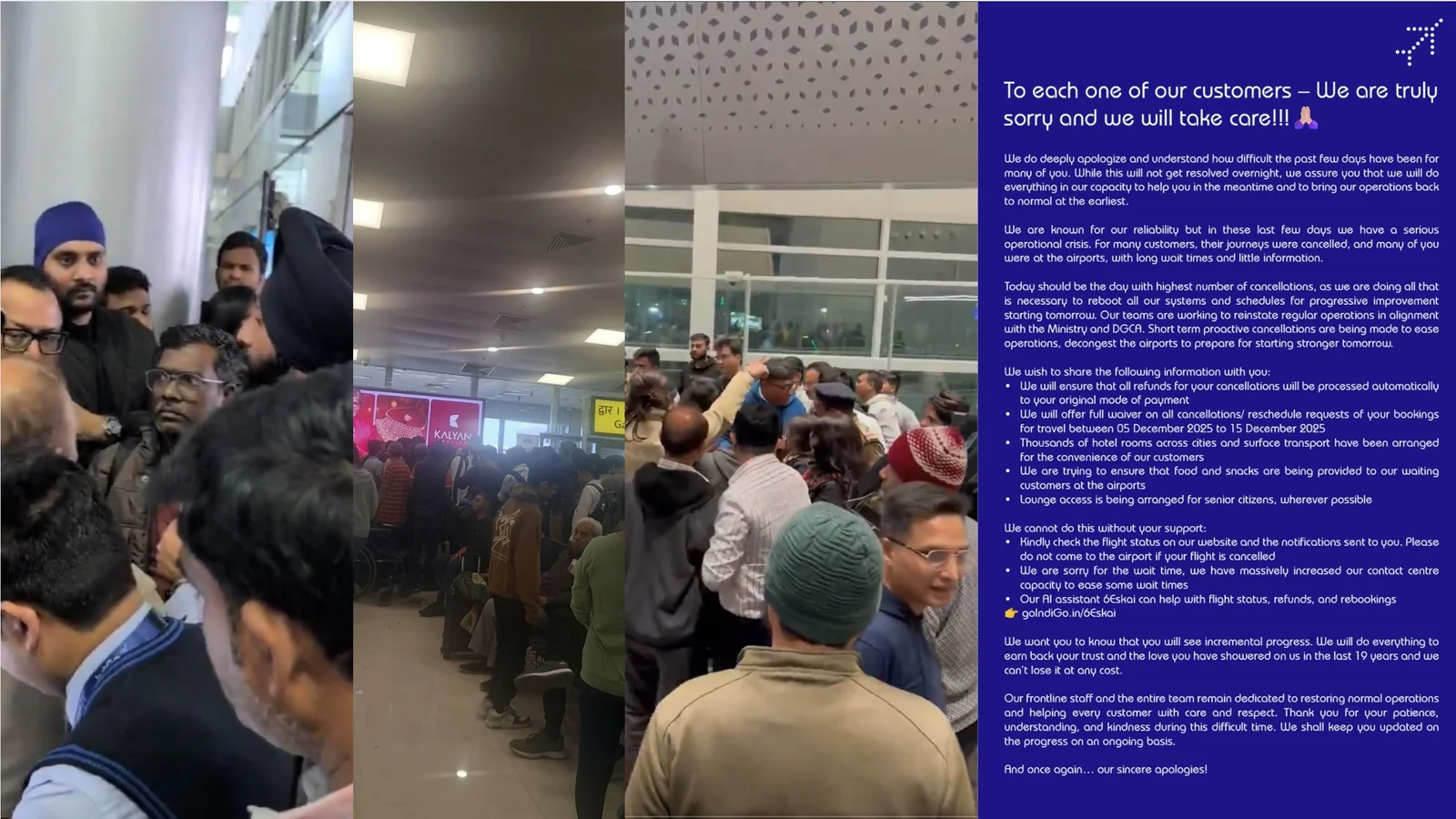
The Ministry has also told airlines to give passengers up-to-date information in real time. They must send accurate updates to passengers and make sure refunds happen quickly when flights are cancelled. The government has also requested airlines to provide hotel rooms when flights are delayed for a long time.
Safety vs operations: the FDTL debate
Keeping passengers safe and keeping flights running are both central to the problem. The DGCA’s changes to the FDTL rules were based on the best advice about how to manage pilot tiredness around the world. Pilot groups say the rules will save lives and lower the chance of mistakes. However, the pressure on IndiGo to keep operating caused a temporary loosening of the rules to get flights going again.
The DGCA has given IndiGo a one-time exception from the rules about night duty until February 10th, 2026. They have also said airlines can now count a pilot’s time off as part of their weekly rest. Those in charge of regulation insist that these measures don’t make flying any less safe, and that they simply give IndiGo a bit of time to reassign crews.
Pilot unions have criticised these exceptions. They say reducing rest rules creates a dangerous situation. The government responds by saying the suspension of the rules is specific, will only last for a certain time, and is aimed at protecting passengers while the investigation is going on.
The Ministry has told airlines to automatically give passengers a full refund when a flight is cancelled and to be understanding and helpful to customers at airports, and to communicate better in the airport buildings. Passengers who have been affected should check the status of their flight online and shouldn’t go to the airport unless they are sure their flight is going ahead.
IndiGo has its own plan to get things back to normal. They are focusing on getting rid of the backlog, moving crews around, and changing flight schedules to match the number of crew they have available. The Minister believes things will steadily improve over the next few days.
Market dominance raises policy questions
Because IndiGo has almost 70% of the market, any problems with their schedules have a much wider effect. A problem with just one airline’s planning can affect the entire network. This situation has brought up worries about how much control one company has over the Indian airline industry and how well it can deal with problems. It also highlights how important it is for the biggest airlines to have a good plan for when things go wrong.
This disruption makes two questions for those making policy. How can they make sure safety-focused rules about crews are followed without causing major problems with how flights operate? And how can they protect passengers when a very large airline runs into difficulties?
What happens next
The government thinks everything will be back to normal within days, and they will continue to watch how well the FDTL rules are being followed and how stable the network is. The investigation will work out exactly what went wrong and make suggestions for how to prevent it happening again. If it is shown that someone was careless, they may be punished.
The outlook for passengers is cautiously optimistic. The backlog at major airports is decreasing and flight schedules are becoming more stable. The main thing will be to see if a focus on safety and being on time can both happen as the industry gets used to the new FDTL rules.