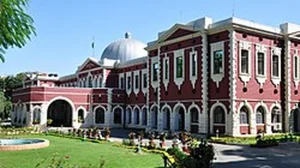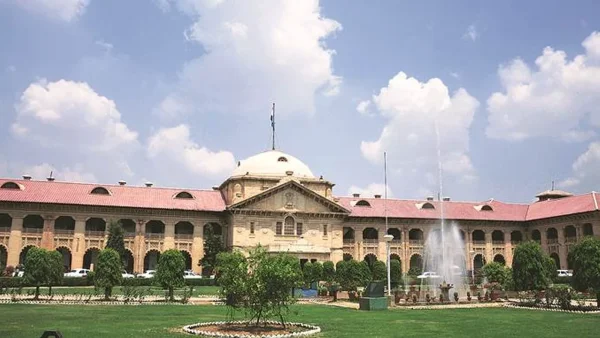
On Wednesday, the Allahabad High Court granted Swami Avimukteshwaranand Saraswati and Mukundanand bail before being arrested, in a case brought about by the POCSO Act. This happened because a POCSO court told police to file a report (FIR) about young students being sexually abused at a camp.
Court Order and Bail Details
Justice Jitendra Kumar Sinha made the decision after listening to the requests for bail from the accused. Previously, on February and the High Court had stopped them from being arrested and said they had to help with the investigation.
This latest decision means the bail will be used if the accused are arrested, giving them some protection as the official investigation continues. Lawyers representing the people asking for bail made their arguments, and both the state and the person who complained were also in court.
Allegations and FIR Registration
The FIR started because of a complaint supposedly made by Shankuri Peethadheshwar Ashutosh Maharaj, who is also known as Ashutosh Brahmachari in some documents. A district judge had ordered the Jhunsi police to begin a case and look into the claims.
The police named Swami Avimukteshwaranand, his helper Mukundanand Giri, and others whose identities are not known in the FIR. They are accused of breaking several parts of the POCSO Act and Section t 351(3) of the Bharatiya Nyaya Sanhita, which shows how serious these accusations are.
Court Observations on Delay and Witness Conduct
The judge pointed out problems with the order in which events were reported and was worried about how the accusations were first made public. The court said the young victims spoke to the person complaining – who they apparently didn’t know – instead of to their mothers, fathers or guardians.
The High Court noted there was a six-day delay between when the abuse supposedly happened and the first police report. The person complaining said this delay was because of being involved in a ‘Pooja / Yagya’. The court said this way of reporting isn’t typical of how children react in these situations.
Evidence, Media Exposure, and Investigation Status
The medical examinations given to the court didn’t clearly show that a sexual assault had occurred. The doctors said they didn’t see any injuries on the outside and that they couldn’t definitely say sexual assault hadn’t happened. They have sent material to the forensic science laboratory (FSL) for analysis.
The judge criticized the fact that the children were shown on television after the FIR was filed. The victims were filmed being interviewed by Hindi news channels, which the court said broke the rules of the POCSO and Juvenile Justice laws and described as ‘terrible and shocking’.
Ongoing Inquiry and Positions of the Parties
Police investigating have said an investigation is happening and more forensic and medical tests are necessary. The accused say they didn’t do what they are accused of and have said they will cooperate with the investigation, and will even take a “narco analysis” test.
The Swami (religious leader) says he is willing to have tests to prove he’s telling the truth, and believes police are favoring the complainant in how they are building the case. The disagreement between the two sides continues as the police gather proof.
Legal and Practical Implications
The High Court’s decision emphasizes that judges have to be cautious about balancing the rights of the accused with the need to protect children in POCPO cases. Courts generally say investigations should be done quickly and carefully and that details about children should be kept secret to protect them.
As the investigation goes on, important things will be getting medical tests done on time, getting reliable results from forensic science, and carefully managing how the victims are asked about what happened. Following the procedures of the POCSO law and what the court has told them to do will be the most important thing in the result of this very public case.
The investigation is still happening, and the High Court’s decision gives the accused temporary relief while at the same time stressing the need to follow the correct procedures to protect the children. Police and the courts will now concentrate on gathering evidence and making sure everyone’s legal rights are protected.