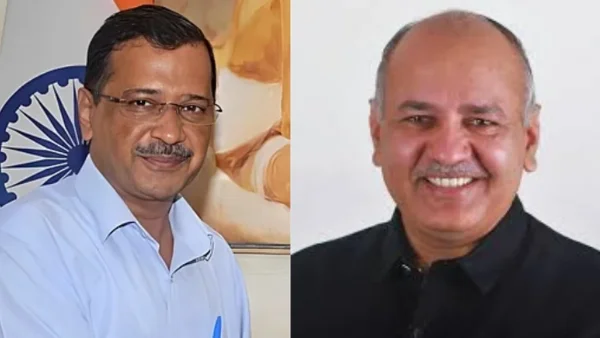
On Friday, the court discharged – and so cleared – all twenty-three people accused in the CBI’s excise policy case, including the former chief minister of Delhi, Arvind Kejriwal, and the former deputy chief minister, Manish Sisodia. Judge Jitendra Singh gave the decision, and said the people bringing the charges hadn’t proven the claims of a central plot connected to the liquor excise policy of 2021.
What the Court Found and Why
The court said there was no proof to back up the idea of a broad plot. The court discovered holes in the chargesheet – the formal accusation – and pointed out that important claims weren’t supported by what witnesses said or by documents. It also said that there was no proof the main people accused had a criminal aim. The judgement criticised the investigative work which had led to a public official being named as the first accused, and said the case the prosecution put forward didn’t hold up when looked at by a court. The court said it would suggest a department investigation of the CBI officials involved in the case.
What Kejriwal, Sisodia and Others Said, and Political Responses
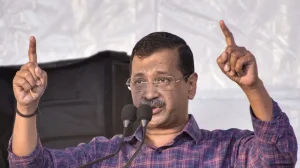
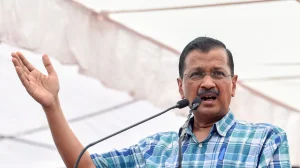
Outside the Rouse Avenue Court, Arvind Kejriwal spoke to reporters, and looked very emotional, saying ‘the truth wins’. He accused top national leaders of plotting against the Aam Aadmi Party, and said the court had confirmed the honesty of him and his colleagues.
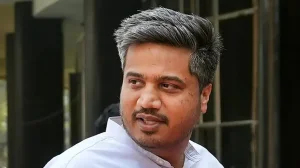
Manish Sisodia called the ruling a clearing of his name after a long time in legal trouble and being held. He said efforts to show him and Kejriwal were dishonest had not worked. A speaker for a national opposition party said the acquittal was due to a lack of proof, and called the whole thing a technical legal issue, adding that the CBI plans to ask the Delhi High Court to review the case.
What Happened Before: Arrests, Being Held, and Earlier Decisions
The case goes back to a 2022 FIR – a first information report, or police record – which claimed the Delhi excise policy of 2021-22 had been changed to allow a few companies to control the liquor trade. The policy was put into effect in November 2021, but taken back in July 2022 after worries came up and the lieutenant governor asked for an investigation.
Arvind Kejriwal and Manish Sisodia were both arrested while they were in their jobs. Kejriwal was arrested by the Enforcement Directorate in March 2024 and then by the CBI in June 2024. He spent 56 days in custody and got temporary relief from the Supreme Court before being finally given bail in September 2024. Sisodia was arrested in February 2023 and spent about 530 days in jail before being given bail in August 2024.
What the Investigation into the Excise Policy Claimed
Investigators said the Delhi government had changed the rules for excise – the taxes on alcohol – to raise the wholesale commission from 5 percent to 12 percent, a change the agencies said let some wholesalers make money illegally. Both the CBI and the Enforcement Directorate ran investigations at the same time, including claims of money-laundering connected to the policy.
The Aam Aadmi Party has always said it did nothing wrong and called the investigations politically driven. The court’s rejection of the idea of a plot goes against the main claims in the CBI chargesheet.
What Happens Next, and What This Means More Generally
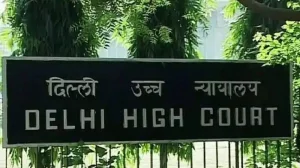
The CBI has said it will appeal the decision at the Delhi High Court, meaning there will be more legal fights. If higher courts look at the case again, that could make the legal process take longer and keep political attention on it. The court’s criticism of how the investigation was done may lead to internal checks within central agencies.
For AAP, the ruling removes the immediate legal problem over its top leaders and could change public discussion about the use of law enforcement agencies in political disputes. The case shows how criminal law, making policy, and elections are linked in government today.