The U.S. and Iran both have been presented with a plan in several steps to stop the fighting from getting much bigger, even though the Strait of Hormuz is still, in effect, closed to ships and tensions are continuing to increase. The plan says fighting should stop right away and then there would be more extensive talks, but Iran has been very firm in what it will and won’t do, refusing to accept a deadline or to reopen the Strait of Hormuz as part of a temporary agreement to stop fighting.
The two-tier peace plan
The proposed plan has two parts: stopping all open fighting immediately, and then a longer-term deal to deal with problems related to security, the economy, and politics. Diplomats say a short break in the fighting would allow them to start to trust each other and work out a complete agreement.
There’s reportedly one option being considered where attacks would stop for 45 days to calm things down and allow for more extensive talks. During that time, violence would be frozen while people negotiating work on checking things out, moving troops, and ensuring the safety of the area.
Diplomacy and key actors
Many important people in the region and from other countries are moving back and forth between the U.S. and Iran to try and get this plan accepted. Someone with knowledge of the talks says the army chief of Pakistan has been in constant communication with U.S. and Iranian officials, showing how much work is happening secretly at a high level.
Representatives of the U.S. and the Iranian foreign ministry have had multiple discussions through other people and special representatives. The fact that so many countries are involved shows how important this is to the world and how much everyone wants to avoid a bigger conflict that could throw the energy markets and shipping routes into chaos.
Iran’s stance: no deadlines, no immediate reopening
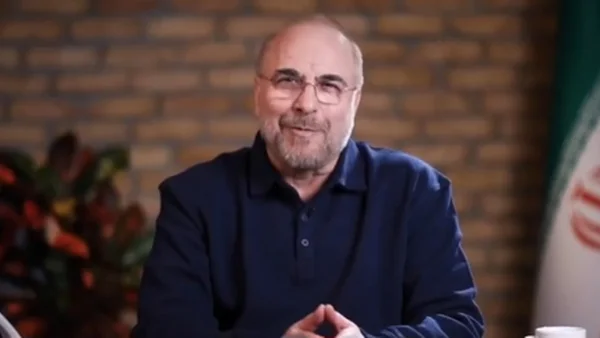
Iran has said very clearly it will not accept a schedule for what it does imposed by others, and won’t reopen the Strait of Hormuz as part of a short-term ceasefire. A high ranking Iranian official said Tehran will look at any proposal in its own way and will reject any deadlines set by outside parties.
The Strait of Hormuz, a very important route for roughly 20% of the world’s oil and natural gas, is a key thing Iran can use to get what it wants. Iran’s attitude is that it will only trade this advantage for promises that deal with its larger problems regarding security and politics.
Escalation and recent military activity
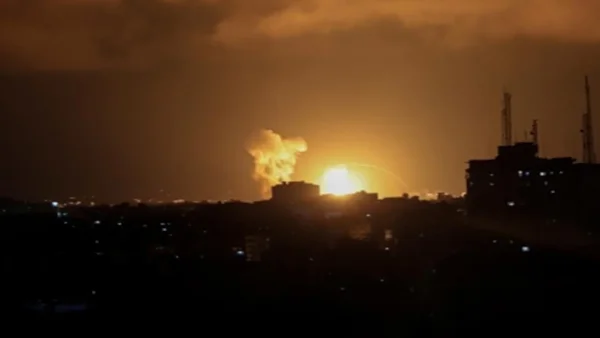
New attacks from the air have been reported throughout the region following weeks of increased military actions by the U.S. and its allies, which have resulted in thousands of deaths and damage to buildings and systems. Iran responded by attacking bases, energy facilities, and ships at sea, starting a cycle of attacks and counterattacks.
The U.S. president publicly warned Iran of severe results if they don’t reopen the Strait of Hormuz, using strong language and threatening further attacks on Iran’s energy and transportation infrastructure. These warnings have made those trying to prevent a larger war feel a greater sense of urgency.
Economic and regional consequences
The fighting has already made the price of oil go up because it has worried the world’s financial markets and is threatening the supply of oil. Shipping companies have changed the routes of their ships to avoid the Gulf, which has made it take longer and cost more to send energy and other goods around the world.
Beyond the oil market, insurance companies, ports and companies that move goods are being disrupted which could cause problems throughout the whole system of getting things from one place to another. Economies in the region that rely on trading through the Gulf are facing losses of income now and a lot of doubt from investors in the future.
Next steps and international implications
Right now, the chances for success are small. Iran won’t accept a deadline and Washington wants proof that the shipping lanes will reopen. Those mediating are likely to try to get promises that any ceasefire will have ways to make sure it is followed and a plan for further talks.
If this two-part plan goes ahead, it will only work with continuing diplomatic efforts, a way to reliably check that things are happening, and the political desire to make it happen on all sides. If it fails, we could see more fighting, even more economic problems and a long period of not being able to rely on anything in the Middle East.