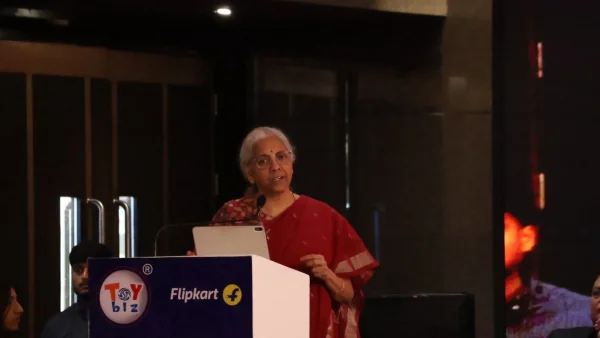
A statement attributed on social media to Finance Minister Nirmala Sitharaman—suggesting that a paper leak is “an advantage for young students to prepare more”—has sparked intense reactions online, with many students and education observers questioning whether such a view reflects the reality faced by millions of competitive exam aspirants.
The authenticity and full context of the reported remark should be independently verified before it is treated as an accurate representation of the Finance Minister’s position.
Regardless of its context, the controversy has reopened a familiar debate: what does a paper leak mean for students who spend months or years preparing for highly competitive examinations?
For Many Aspirants, One Leak Can Mean Months of Uncertainty
Competitive examinations in India are often gateways to higher education and government employment.
When a paper leak occurs, the consequences can be significant:
Examinations may be cancelled or postponed.
Recruitment processes can be delayed.
Students may need to prepare again for fresh tests.
Confidence in the fairness of the examination system can be affected.
Many aspirants argue that a leaked paper is not simply an administrative issue—it directly impacts years of hard work and planning.
Cabinet Recently Approved Stronger Penalties
The controversy comes at a time when the Union Cabinet has approved amendments proposing stricter punishment for those involved in examination paper leaks, including up to 10 years’ imprisonment and fines of up to ₹10 crore, according to government sources.
The proposed legal changes are intended to strengthen deterrence against organised exam fraud and restore trust in public examinations.
For many observers, the debate now extends beyond punishment to how public officials communicate about an issue that affects millions of students.
Social Media Responds With Anger, Sarcasm, and Questions
The reported remark generated widespread reactions online.
Among the comments:
“If paper leaks are an advantage, why conduct exams at all?”
“Students don’t need extra preparation—they need fair examinations.”
“The real beneficiaries of paper leaks are the people leaking the papers, not honest candidates.”
“Strong anti-paper leak laws are welcome, but restoring trust requires both action and clear communication.”
“Let’s verify the full statement before drawing conclusions.”
These comments reflect opinions circulating online and should not be treated as factual assessments of the reported remark.
Can Merit Thrive Without Trust?
India’s examination system depends on more than question papers and answer sheets—it depends on public confidence that every candidate competes under the same rules.
Paper leaks challenge that confidence, regardless of whether they occur in entrance examinations, recruitment tests, or professional assessments.
That is why discussions around paper leaks often evoke strong emotions among students and families.
For Students, a Paper Leak Is Not an Opportunity—It’s Uncertainty
Whether the reported remark reflects the speaker’s complete position or has been misunderstood, the public reaction underscores the depth of concern surrounding examination integrity.
For millions of aspirants, a paper leak is rarely viewed as an opportunity to prepare more. It can mean postponed careers, repeated examinations, financial strain, and the feeling that merit has been overshadowed by misconduct.