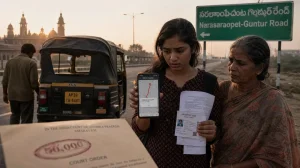
A viral video showing a heated argument between a woman and a cab driver has ignited a wider debate over passenger rights, driver compensation, and the rules governing ride-hailing services.
According to the video circulating on social media, the woman requested that the driver stop the cab before reaching the original destination after she reportedly changed her plans. The disagreement escalated when the driver allegedly insisted that the full fare would still be payable despite the ride ending midway.
The passenger questioned why she should pay for a journey she did not complete, while the driver defended his position and objected to being recorded during the exchange. The conversation later shifted to a dispute over the driver’s alleged use of the word “gande”, with the passenger asking why he had used the term.
At the time of publication, the viral clip has not been independently verified, and the full context of the interaction—including the ride details and any applicable platform policy—remains unclear.
Passenger Questions Full Payment for a Shorter Journey
The viral video appears to capture a disagreement over a common question faced by many users of ride-hailing services:
If a passenger voluntarily ends a trip before reaching the booked destination, should they still be required to pay the originally estimated fare?
The passenger argued that payment should reflect the distance actually travelled, while the driver maintained that the full fare remained applicable after the change in destination.
Without additional context, it is not possible to determine whether the fare demand was consistent with the relevant platform’s pricing policy.
A Question Millions of Riders Can Relate To
The incident has resonated with many commuters because it highlights competing interests.
Passengers generally expect to pay only for the service they receive.
Drivers, however, may argue that they accepted the booking based on the original destination, time commitment, and expected earnings. A sudden change in plans can affect their income and opportunity to accept other rides.
Many ride-hailing platforms have policies addressing route changes, cancellations, and fare adjustments, though the exact terms vary by company and the circumstances of the trip.
Internet Divided Over Who Was Right
The viral clip has prompted a wide range of reactions online.
Among the comments:
“If the ride ends halfway, the fare should also end halfway.”
“Drivers shouldn’t lose money because a passenger changes their plans midway.”
“We need to know what the app’s fare policy says before deciding who was right.”
“The argument could have been resolved through customer support instead of escalating on camera.”
“Recording every disagreement may increase accountability, but it can also inflame already tense situations.”
These comments represent opinions expressed online and should not be treated as verified conclusions about the incident.
The Need for Clear Rules
The incident highlights a recurring challenge in app-based transportation.
When expectations about pricing differ between passengers and drivers, disputes can quickly escalate—particularly when they unfold in front of a smartphone camera.
Consumer advocates have long argued that fare calculations should be transparent and easily understandable, while driver groups have called for policies that fairly compensate drivers when trips are altered after acceptance.
Clearer communication from ride-hailing platforms can help reduce misunderstandings before they become public confrontations.
A Fair Ride Requires Fair Rules
Whether this particular dispute ultimately favours the passenger or the driver may depend on the ride-hailing platform’s terms, the trip details, and the full context of the interaction—facts that are not established by the viral clip alone.
But the incident raises a broader issue that affects millions of daily commuters.
Passengers deserve transparent pricing that reflects the service they receive. Drivers deserve predictable rules that protect them from unexpected changes that may affect their earnings.