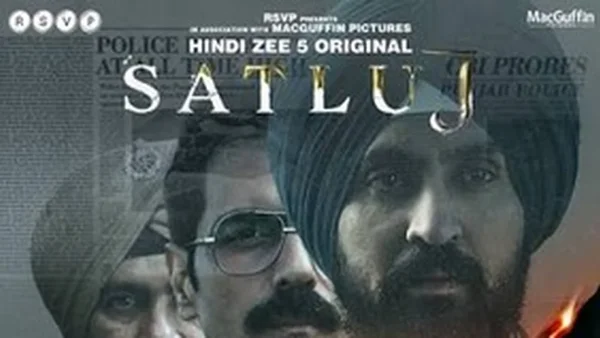
Zee5 pulled Diljit Dosanjh’s Satluj in India within two days, and the Centre is now weighing legal action over what officials describe as an uncertified release and subsequent public screenings. The move has turned a niche biopic into a flashpoint debate about rules, responsibility and reach.
What triggered the showdown
According to a senior minister and government sources, Satluj was streamed without a Central Board of Film Certification certificate. They allege the CBFC had flagged extensive changes, but the makers released the film anyway.
The minister claimed the board suggested 127 cuts. That is not a small edit note. He called the release illegal and urged state governments to act wherever the film is being screened.
OTT takedown sparks a wider fight
Zee5 removed the film in India shortly after debut, citing current circumstances. No further explanation was offered. That vacuum has only amplified interest.
Community organisations responded by announcing screenings at gurdwaras across five states. Their stated aim: keep alive the story of Jaswant Singh Khalra, the human rights activist whose life the film is based on.
Here are the flashpoints shaping the week so far:
– CBFC suggested 127 cuts, according to officials
– No certificate was issued for Satluj
– The film was released on Zee5 without certification
– Zee5 removed it within two days in India
– Screenings were held at multiple locations
– States were urged to act against uncertified shows
– A PIL seeks restoration of Satluj on Zee5
What the government is weighing now
The Centre has sought a legal opinion on whether action can be taken against the release and public screenings. Officials say the government is examining all legal aspects before deciding its next steps.
The minister’s position is clear: process matters, and the process was not followed. Whether that argument holds in court will determine the film’s immediate fate on platforms and at venues.
Inside the court and outside it
A public interest litigation has been filed in the Punjab and Haryana High Court. The petition argues the takedown lacked any publicly disclosed statutory, judicial or governmental order and seeks the film’s restoration on Zee5 with a disclosure of reasons.
Outside the courtroom, the screenings at religious venues raise a fresh procedural question. If there is no certificate, can shows continue while a legal review is pending? States have been asked to intervene where necessary, according to sources.
Why it matters
At the centre of the tussle is certification. Government sources insist rules were bypassed. Platform decisions, meanwhile, directly affect what viewers can legally watch.
The stakes extend beyond one title. How this plays out could signal how strictly certification and compliance will be enforced for releases that move swiftly from platform to public venues.
The audience reaction factor
The takedown has created a ping-pong effect: removal online, more attention offline. For supporters, the screenings are a statement of solidarity with Khalra’s legacy. For officials, they are probable violations to be checked.
That polarity is driving click-throughs and conversations. The more opaque the explanations, the louder the debate becomes.
What comes next
Two tracks now run in parallel. The Centre will finalise its legal view on action related to the release and public screenings. The court will consider the PIL seeking restoration on Zee5 and clarity on why the film was removed.
Until then, the questions hang in the air:
– Will a certificate be pursued or denied?
– Will Zee5 restore the film in India?
For now, Satluj is off mainstream streaming and on a collision course with regulation. Viewers wait, platforms hedge, and the government signals it is ready to test the boundaries of compliance.