A viral social media controversy has reignited questions about where content creation should end and public responsibility should begin.
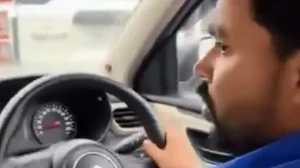
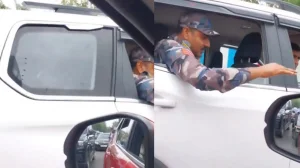
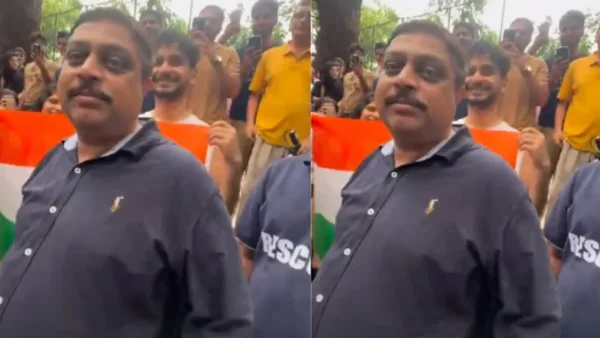
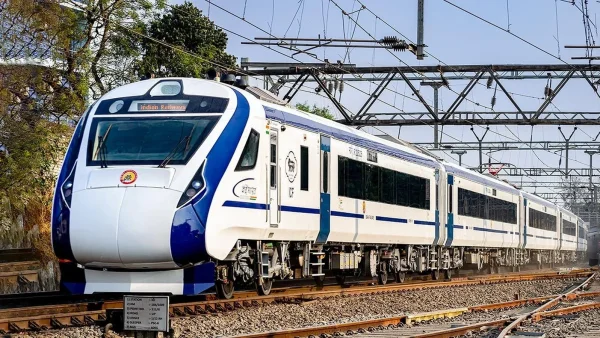
According to widely circulated reports and videos, two influencers allegedly boarded an Indian Railways train disguised as beggars, approached passengers seeking money as part of a staged social media reel, and reportedly collected around ₹6,200 during the journey.
While the videos have generated millions of views and heated online reactions, the reported amount collected and the exact circumstances have not been independently verified by authorities.
A Viral Stunt or a Public Nuisance?
The alleged prank has divided public opinion.
Critics argue that using a public train as an unscripted filming location—especially while pretending to be people in need—crosses an ethical line. They say such acts can inconvenience passengers, exploit public sympathy, and potentially violate railway rules.
Others dismiss it as another example of influencers pushing boundaries for online engagement, arguing that if no passenger was harmed and the money was returned or used transparently, the incident may be viewed as a misguided attempt at entertainment rather than a serious offense.
Can Public Transport Become a Content Studio?
The incident has raised broader questions about the growing trend of creators using public spaces for viral content.
Indian Railways transports millions of passengers every day. Coaches are shared public spaces where commuters expect safety, privacy, and minimal disturbance—not surprise social experiments or staged performances.
If content creation disrupts passengers, causes confusion, obstructs railway operations, or involves deception, authorities may view it as misconduct depending on the circumstances and applicable railway regulations.
The Ethical Question
Even if the stunt was scripted, many people believe pretending to be a beggar for views raises ethical concerns.
For countless individuals, begging is not entertainment but a reflection of poverty and hardship. Using that reality as a social media prop has prompted criticism that viral content should not come at the cost of dignity or public trust.
Social Media Reacts
The incident has sparked a flood of reactions online.
Some users questioned whether public transport is becoming a “free film set” for influencers chasing views.
Others joked:
“Next stop: Viral Junction.”
“Passengers bought tickets for travel, not surprise auditions.”
“Content is temporary; public inconvenience is real.”
Meanwhile, some defended the creators, saying the outrage may be disproportionate if the stunt caused no lasting harm.
The Bigger Issue
The controversy reflects a larger challenge facing social media platforms and public authorities.
As creators compete for attention, pranks and public stunts have become increasingly common. At the same time, many people are calling for clearer guidelines on filming in public places, protecting passengers from unwanted participation, and ensuring that the pursuit of viral content does not interfere with public order.
Conclusion
The reported train stunt has sparked a conversation that goes beyond one viral reel. It raises important questions about ethics, consent, and the responsible use of shared public spaces.
Whether stricter rules are needed is a matter of public debate, but one point is becoming increasingly clear: the pursuit of online views should be balanced with respect for fellow passengers, public institutions, and the purpose of shared spaces.