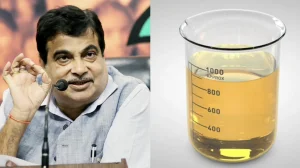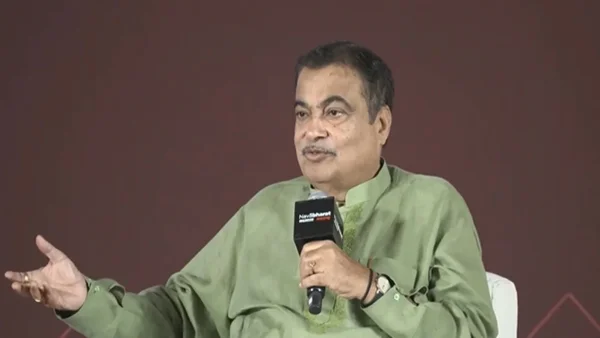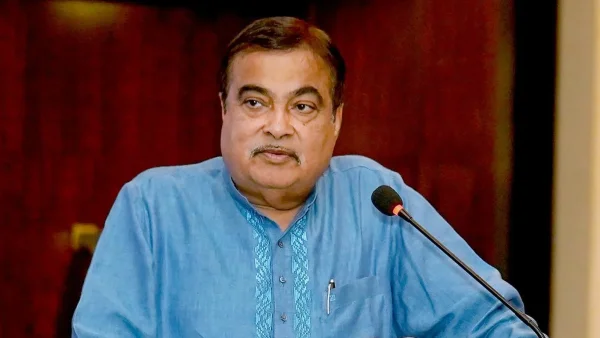
Union Road Transport and Highways Minister Nitin Gadkari has approached the High Court against social media posts that allegedly linked him and his family to India’s E20 (20% ethanol-blended petrol) programme. Calling the allegations false and defamatory, Gadkari has argued that the ethanol-blending policy is formulated and implemented by the Ministry of Petroleum and Natural Gas—not by the ministry he heads.
The case has reignited a broader public debate over ethanol-blended fuel, road transport policy, and the growing trend of personal allegations against public officials during policy controversies.
What Triggered the Legal Action?
According to court filings, Gadkari has challenged online posts that allegedly claimed he and members of his family stood to gain financially from the government’s ethanol policy.
The minister has denied these allegations, stating that:
The Ministry of Road Transport and Highways does not frame India’s ethanol-blending policy.
The E20 programme is administered by the Ministry of Petroleum and Natural Gas in coordination with oil marketing companies.
The allegations against him and his family are baseless and have harmed their reputation.
The High Court will examine whether the disputed posts amount to defamation under the law.
What Is the E20 Programme?
E20 refers to petrol blended with 20% ethanol and 80% petrol.
The programme is part of India’s long-term strategy to:
Reduce dependence on imported crude oil.
Improve India’s energy security.
Lower greenhouse gas emissions from the transport sector.
Create additional demand for agricultural products such as sugarcane and maize, which are used to produce ethanol.
Increase farmers’ income by expanding the market for biofuels.
India advanced its target of achieving 20% ethanol blending from 2030 to 2025-26, making it one of the world’s most ambitious biofuel programmes.
Who Is Responsible for the Policy?
One of the key issues raised in Gadkari’s petition is the distinction between ministries.
The Ministry of Petroleum and Natural Gas is responsible for:
Ethanol blending targets.
Procurement of ethanol by oil marketing companies.
Fuel policy and implementation.
Coordination with ethanol producers.
The Ministry of Road Transport and Highways is responsible for:
National highways.
Road safety regulations.
Motor vehicle laws.
Vehicle standards and transport infrastructure.
Although Gadkari has often publicly supported ethanol as an alternative fuel and encouraged the development of flex-fuel vehicles, support for a policy is different from administering it. The legal petition argues that the E20 blending programme itself is not under his ministry’s jurisdiction.
Why Is E20 Controversial?
While the government describes ethanol blending as an economic and environmental reform, some consumers and automobile owners have raised concerns.
Among the issues frequently discussed are:
1. Fuel Efficiency- Ethanol contains less energy per litre than petrol. As a result, some drivers may experience a slight reduction in fuel economy, although the extent varies depending on the vehicle and engine design.
2. Older Vehicles- Vehicles not designed or certified for higher ethanol blends may face compatibility issues involving fuel lines, rubber components, or engine calibration.
3. Consumer Awareness- Many motorists remain uncertain about:
Whether their vehicle supports E20 fuel.
Possible effects on mileage.
Manufacturer warranty provisions.
Automobile manufacturers have gradually introduced E20-compatible vehicles, but older vehicles remain a point of discussion.
4. Economic Benefits- Supporters argue that ethanol blending:
Reduces India’s import bill for crude oil.
Supports domestic agriculture.
Creates rural employment.
Helps diversify India’s energy sources.
Gadkari’s Long Support for Alternative Fuels
Nitin Gadkari has long advocated the use of alternative fuels, including ethanol, methanol, compressed biogas, hydrogen, and electric mobility.
He has repeatedly argued that reducing dependence on imported fossil fuels would benefit India’s economy, reduce pollution, and provide new income opportunities for farmers.
However, advocacy for alternative fuels should not be confused with responsibility for implementing fuel-blending policy, which rests with the Petroleum Ministry.
The Role of Social Media
The controversy also highlights how public policy debates increasingly unfold on social media. While criticism of government policies is a normal part of democratic discourse, allegations of personal financial gain require credible evidence.
Legal experts note that defamation cases involving public figures often revolve around whether statements are presented as opinion, political criticism, or assertions of fact that can be proven true or false.
The Bigger Picture
The High Court case is about more than one minister’s reputation. It touches on larger questions of accountability, responsible public debate, and the spread of unverified claims online.
The E20 programme itself will continue to be evaluated on its economic, environmental, and technical merits. At the same time, allegations against public officials should be assessed on the basis of evidence rather than speculation.
As the legal proceedings move forward, the court’s findings will determine the merits of the defamation claims. Separately, the broader debate over ethanol blending—its benefits, limitations, and implementation—will remain an important policy discussion as India continues its transition toward cleaner and more diversified transport fuels.