Social media is often criticised for amplifying outrage, trolling, and snap judgments. But every once in a while, it offers something less common—the willingness to admit a mistake.
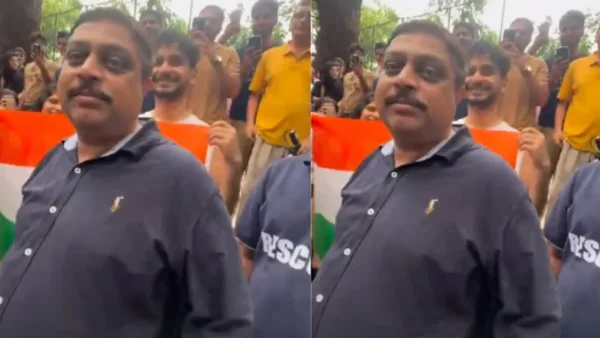
A reporter who had recently become the target of widespread mockery online is now receiving an entirely different response. Many of the same users who had criticised or ridiculed him are publicly apologising after learning more about the circumstances surrounding the incident.
The shift has transformed what began as a viral controversy into an unexpected conversation about accountability in the digital age.
From Memes and Trolls to Messages of Regret
The reporter initially faced a wave of criticism, jokes, and negative comments after clips and posts about him circulated online.
However, as more information emerged and the situation became clearer, public opinion began to shift.
Instead of doubling down, many users chose to acknowledge that they had judged too quickly and publicly expressed regret.
For many observers, that change was as significant as the original controversy itself.
Changing Opinions Isn’t Weakness—It’s Responsibility
Social media often rewards speed rather than accuracy.
People react within seconds, form opinions from short clips, and share content before the full story is known.
What made this episode stand out was that many users didn’t simply move on—they returned to admit they had been wrong.
In an online environment where apologies are often viewed as uncommon, the public acknowledgment drew appreciation from many commentators.
A Different Kind of Viral Moment
The reversal sparked positive reactions across social media.
Among the comments:
“Not everyone has the courage to say, ‘I was wrong.'”
“The apology deserves to go as viral as the criticism.”
“This is what accountability looks like on social media.”
“We need more people correcting themselves instead of defending every mistake.”
“Sometimes the internet gets it wrong—but sometimes it also fixes itself.”
These comments reflect opinions shared online and should not be treated as verified facts.
Virality Can Harm, But It Can Also Heal
Digital platforms have the power to build reputations overnight—and to damage them just as quickly.
That is why responsible sharing and verifying information remain important.
At the same time, this episode demonstrates that public opinion is not always fixed. People can reconsider their views when presented with additional facts.
While an apology may not erase the impact of earlier criticism, it can help restore dignity and encourage healthier online conversations.
The Best Measure of a Generation Isn’t That It Never Makes Mistakes—It’s That It Learns From Them
Every generation is criticised for the way it uses social media.
Yet moments like this suggest another side of the internet—one where people are willing to rethink, acknowledge errors, and apologise publicly.