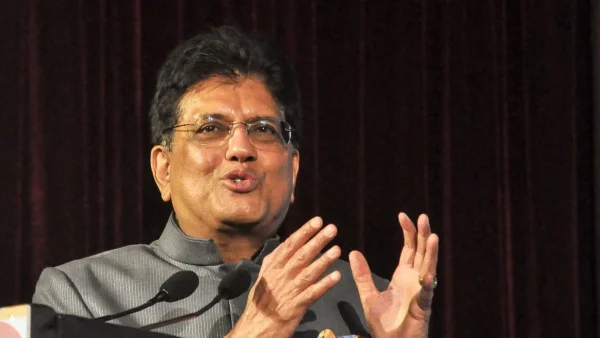
Recently, HDFC Bank’s issues have made how a company is run the main thing investors are looking at, because Atanu Chakraborty, the non-executive chairman, quit because of worries about values and ethics. Tuhin Kanta Pandey, the head of Sebi, told independent directors to be responsible and warned them against hinting at problems without evidence, as this can hurt the shareholders with smaller holdings.
Sebi stresses responsibility of independent directors
Pandey was clear that independent directors are vital for protecting those minority shareholders and keeping the board proper. He said anything said publicly about how the board is operating needs to be backed up by official records, not just vague suggestions that can cause the financial markets to become unstable and ruin reputations.
The Sebi head quoted the rules that independent directors have to follow, and told everyone involved that worries need to be specific and written down. He reinforced the idea that independent directors need to be honest, but also have a proper way to officially raise issues when they think something is wrong with the governance of the company.
Statutory process for raising board concerns
According to the rules Pandey mentioned, an independent director with doubts should first bring them up with the entire board. Then, if the problem isn’t solved, the director should make sure the concern is noted in the official minutes of the board meeting, creating a formal record for later.
This required process is designed to make board management more open and responsible. Having official minutes and written objections means that regulators and auditors can follow how decisions were made and see if something was done to correct them.
Market impact and governance concerns at HDFC Bank
Chakraborty’s sudden departure made investors nervous and caused a significant drop in HDFC Bank’s stock price. This showed that people are anxious about the management of such an important bank. Investors tend to overreact to resignations that mention values or ethics without a lot of public information.
The agencies that regulate financial institutions quickly acted to manage the change. The central bank approved an experienced board member as the temporary, part-time chairman for a limited time. The goal of this was to provide continued leadership while questions about governance were being investigated.
Sebi’s regulatory response and revised conduct rules
Sebi has indicated it will look at the official records and be careful and thorough in its investigation, rather than discussing the specifics of their strategy publicly. A full-time member of Sebi pointed out that the details of how an investigation is going are not appropriate for press conferences, highlighting how important it is to follow proper procedures.
In a separate action, Sebi approved a changed code of conduct for its own employees. The changes include requiring more disclosure, using technology to watch for conflicts of interest, and stricter rules for when someone should remove themselves from a situation. These changes are part of a larger effort to make the capital markets more transparent and lessen conflicts of interest.
Implications for minority shareholders and corporate boards
For minority shareholders, this situation emphasizes that both independent directors and good record-keeping are important. Boards must be certain that major concerns are officially recorded and dealt with to keep investors’ confidence and protect the value of their shares.
This should be a reminder to company boards to make their governance practices stronger, maintain a clear way to escalate issues, and give independent directors the support they need to do their oversight duties. They shouldn’t let problems remain unclear or without proof.
Next steps for regulators and the sector
Sebi has said it will review all available records, meaning any conclusions will be based on evidence and procedure. The regulator’s new rules for its own people suggest stricter standards which could change what companies are expected to reveal in the future.
In the end, the HDFC Bank situation is a test of a company’s governance. It underlines that independent directors need to be open and that boards must write down discussions and disagreements, so the markets, regulators and minority shareholders can see how significant issues are addressed.