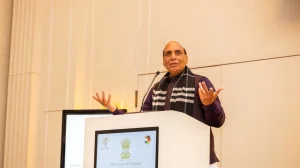
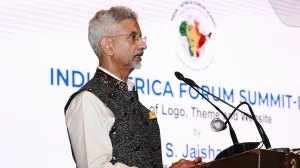
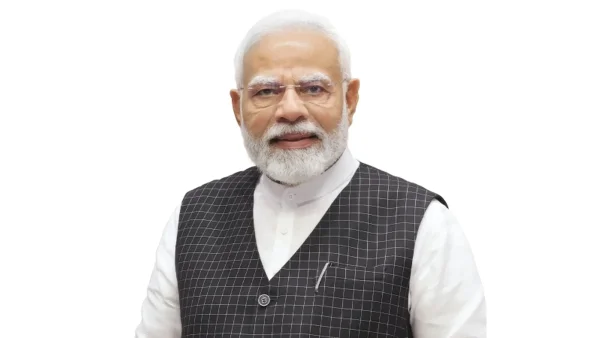
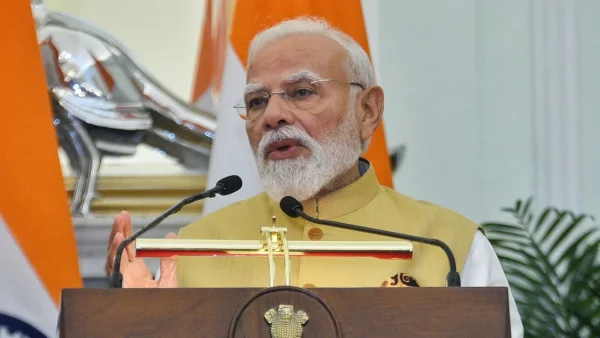
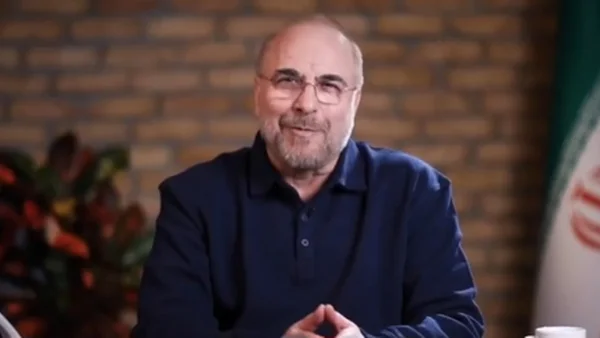
Mirza said Modi’s recent trip to Israel, plus Iran’s long-standing connections with India (particularly with buying oil from Iran), mean Modi has a unique ability to be believed by both sides in this crisis.
He emphasized that Modi’s phone call to Israel and Iran with a request to stop fighting, will stop it. Just one call. He’s very confident that Modi is respected by politicians and business people all over the Gulf region.
UAE neutrality and regional position
Mirza made very clear the UAE doesn’t want to get involved in a fight between Iran and Israel, and will not let anyone use UAE land to launch attacks on Iran. Abu Dhabi hasn’t allowed anything that would be used against Iran to happen within its borders.
The UAE is in a tricky situation diplomatically. It’s next to Iran, but also has official relationships with Israel as part of the Abraham Accords. Because of where it is and the fact that it can talk to both sides, the UAE and its partners could potentially help start a conversation.
Diplomatic leverage and Indias stakes
India has a lot of people living in Gulf countries; Mirza says approximately 3.5 million Indians are in the UAE. He wants India’s government to get involved to protect these people and the many years of business and trade with them.
And it’s not just about the people who live there. India also has financial interests, including getting its energy supplies. Mirza pointed out that India buys a lot of oil from Iran, and the fact that the two countries’ economies depend on each other gives India some power to influence things in the region.
Military escalation and humanitarian toll
The situation got worse after the U.S. and Israel did military actions together, and Iran then attacked back. Iran has sent missiles and drones towards several countries in the Gulf, making things more dangerous for nearby nations.
Because of the fighting, many civilians have been killed or hurt, and lots of buildings and other structures have been damaged. Reports from around the world show a significant number of deaths and injuries, and the Gulf countries’ militaries have stopped many incoming attacks while trying to defend their land.
What a diplomatic intervention could achieve
A very important phone call or a lot of back-and-forth travel between countries could create ways to lower tension and stop misunderstandings. Mirza and others believe people who are trusted by both sides can encourage short stops to the fighting, limited reductions in fighting, or agreed-upon ways to build trust.
However, diplomacy can only do so much. Strong interests of countries in the area and around the world, what’s going on with politics inside those countries, and the alliances they have with each other, make it hard to find a quick solution. Modi’s phone call might start negotiations, but it would probably take continued diplomatic efforts and many countries working together to achieve a lasting truce.
A careful and thoughtful diplomatic effort could combine India's trustworthiness with similar efforts from Gulf nations, the United Nations, and others. If countries work together to mediate, are clear about what they will and won’t accept, and protect civilians, there is a better chance of preventing the fighting from spreading throughout the region.
Mirza looked at the situation as a diplomat, not a military expert. He said the UAE wants to defend itself but doesn’t want to be part of the conflict. His comments show how delicate the situation is for Gulf countries and how a third party could potentially help.
To calm things down, leaders need to turn their credibility into real actions: a way to communicate immediately, agreed-upon pauses in the fighting, and a plan for how to start talking. Whether Modi or another leader takes on this role, the region will almost certainly need a lot of continued diplomatic work to keep the conflict from getting even bigger.