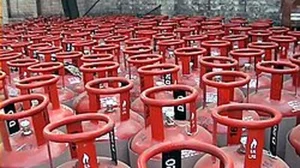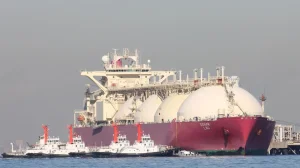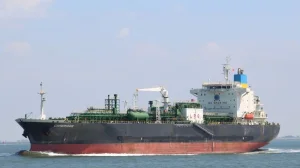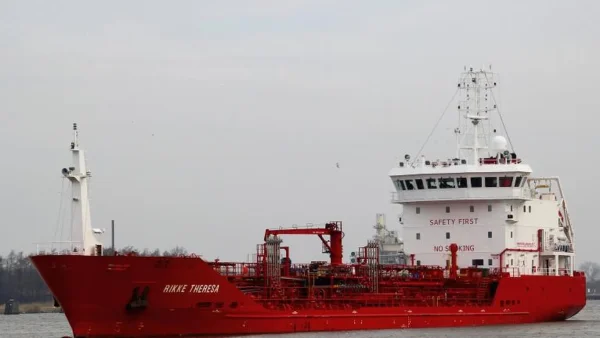
This week India was lucky to get a shipment of energy when the Green Sanvi went through the Strait of Hormuz on its way to India. It was the seventh LPG tanker going to India to use that route since fighting between the US and Iran made normal shipping difficult, and it does help with the immediate need for fuel.
Green Sanvi completes transit
On Friday evening, the Green Sanvi went east of the Strait of Hormuz, through a route within the waters claimed by Iran. Officials say it was carrying 44,000 tonnes of LPG, about half of what India normally uses in a day. This shipment will help restock supplies as demand goes down, although problems still exist.
The tanker didn’t use the normal, main part of the shipping lane; it took a longer route between Larak and Qeshm islands. This careful route was taken to make sure the ship wasn’t mistaken for another and to avoid any situations that could quickly become dangerous, while still letting important imports continue.
Transit protocols and naval coordination
Ships using this route are being very careful, fully identifying themselves and what country they’re from. Indian officials have been working closely with Iranian officials to get permission for ships to go through and to reduce the chance of anything going wrong. The Indian Navy has also been telling several ships which way to go to keep them safe.
Currently, three LPG tankers are waiting northeast of Abu Musa Island, following the Indian Navy’s directions and waiting for permission to continue. They are on standby as commanders figure out how safe it is, get approval from diplomatic sources, and check the weather before allowing them to pass.
Stranded vessels and seafarer welfare
Even though the Green Sanvi made it through, seventeen Indian LPG tankers are still stuck in the western part of the Persian Gulf. The Green Asha and Jag Vikram are expected to leave for India when it’s safe to do so. More than re than 400 Indian sailors are still on ships in the area where this is happening.
The Directorate General of Shipping has a control room open all the time, and since it started, they’ve answered 4,984 calls and over 10,000 emails. The organization has helped over 1,130 sailors get home from airports and different places in the Gulf, and they are making sure the sailors are looked after and the crews are changed during this crisis.
Implications for India’s energy security and markets
India gets sixty percent of its LPG and about half of its natural gas from the Middle East. At the worst point of the conflict, as much as ninety percent of LPG imports were stopped, and India quickly had problems getting enough fuel for cooking and some industries.
The cargo on the Green Sanvi will help for a short time, but experts warn that if the shipping is stopped and started repeatedly, prices in India could go up, and people might have to have a limited amount of fuel, or it might be moved around to where it is most needed. In the long run, this situation really shows how important it is to get imports from many different sources, to store more fuel in the country, and to move towards using other types of fuel more quickly.
Regional military and diplomatic context
Iran says countries that aren’t fighting them can continue to use the Strait of Hormuz if they follow the safety rules and work with Iranian authorities. At the same time, ships connected to the US and its allies will have stricter rules. These conditions make moving things by sea around the world more complicated and require careful talks with other countries.
Things have gotten more tense in the last few weeks, and there have been more reports of military actions which have increased the danger in the area. A suggested 48 hour stop to fighting was apparently turned down, and diplomatic efforts are continuing quietly to try and prevent the conflict from getting bigger. For countries that import energy, the most important thing right now is to make sure they get the fuel they need and protect the people working on the ships.
So far, India has been using diplomatic efforts, directions from the Navy, and close work with the shipping regulator. The Green Sanvi’s trip shows that it’s possible to get ships through the Strait of Hormuz carefully and with coordination, even when things are tense. But officials and people in the shipping industry say that the situation could remain unstable until the larger conflict is reduced.