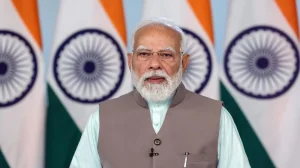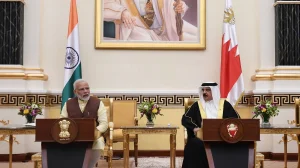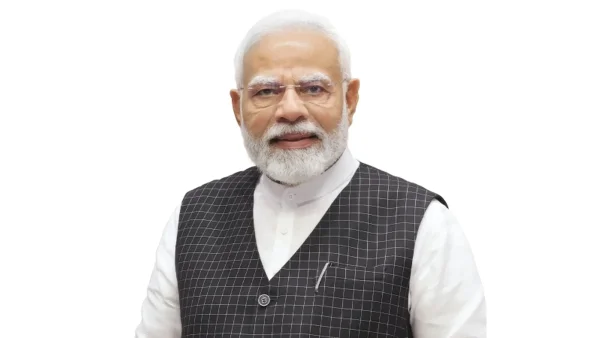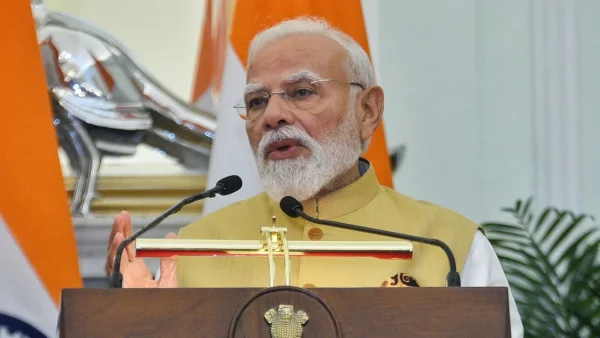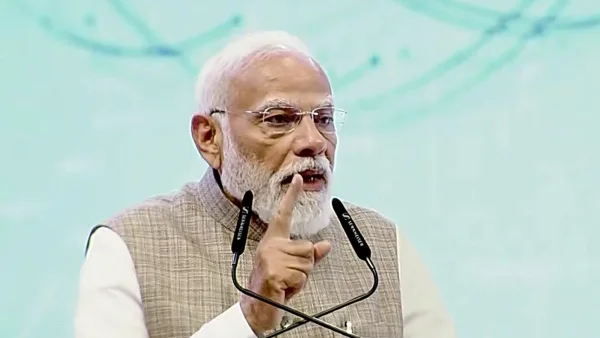
On Saturday, Prime Minister Modi said the attacks on key facilities in Western Asia are bad, and insisted shipping lanes must remain open during a phone call with Iran’s President Masoud Pezeshkian. The conversation was mostly about keeping the region stable, energy security, and keeping Indian people safe as attacks on oil and gas places are getting worse.
Modi stresses freedom of navigation and infrastructure protection
Modi explained to Pezeshkian that attacking important buildings threatens stability in the region and messes up the way goods are moved around the world. He said they need to guarantee the freedom of ships to travel, and that shipping routes and shipping for merchants and energy imports stay open and safe.
Modi specifically pointed out how dangerous it would be if the Strait of Hormuz closed. He said if that happened, countries that buy energy would be negatively impacted, it would be harder to get things where they need to go, and it would cost people and companies all over the world more money.
On X (formerly Twitter), Modi quickly said again how vital it is to protect routes on the sea and to make sure commercial ships can pass safely. He also said India will keep talking to leaders of other countries, and will push all sides to find a peaceful solution. and
Iran calls on BRICS and proposes a regional security framework
President Pezeshkian asked India, which is currently running BRICS, to encourage the BRICS group to act separately to stop what he called attacks on Iran. He said the attacks by the United States and Israel must stop immediately for the conflict to end.
Pezeshkian suggested that countries in Western Asia themselves create a way to provide security for the region, decreasing outside involvement and helping stability through cooperation within the area. He also said Iran is willing to talk to world leaders by phone or in person.
From Iran’s perspective, BRICS should publicly criticize the recent attacks and help find peaceful ways to lessen the conflict. Indian officials admit it’s hard to get BRICS to all agree on something, because they have a rule of needing everyone’s approval.
Energy security at the heart of bilateral concerns
India gets a lot of its energy from that area and has been actively trying to ensure its oil tankers and other ships can get through safely. Officials are watching 22 ships flying the Indian flag that are to the west of the Strait of Hormuz – these include ships carrying LPG, one ship carrying LNG, and ships carrying crude oil with a lot of fuel.
A great deal is at risk: the goods being transported include hundreds of thousands of tonnes of LPG and LNG, and over a million tonnes of crude oil. A long-lasting interruption to these shipments would have a big effect on energy supplies in our country and the fuel used by industries.
Iran recently allowed two Indian LPG tankers to go through the strait, showing that even when politics are tense, they can still cooperate with each other with regards to shipping.
Protecting Indian nationals and sustained diplomatic engagement
Modi thanked Iran for supporting the safety of Indian people in Iran and sent President Pezeshkian wishes for Eid and Nowruz. Making sure approximately 10 million Indians living and working in Western Asia are okay is a major part of India’s foreign policy.
Foreign Minister S. Jaishankar has also been in frequent communication with his Iranian counterparts, having several calls to discuss what’s happening in the region and what it means. India is prioritizing getting to Indians in the country, planning for possible evacuations and coordinating to protect them.
Regional implications and a cautious path forward
These conversations show how attacks on energy facilities in a specific place can cause much wider issues in the world and in the market. Problems with the supply chain, more expensive insurance for ships and higher energy prices are immediate issues that will affect businesses and people.
Modi stressed that going to war doesn’t help anyone and said everyone involved should work towards peace. While tensions remain, talking to each other, using international organizations and taking practical steps to keep shipping routes open will continue to be important for avoiding even more economic hardship and humanitarian problems.