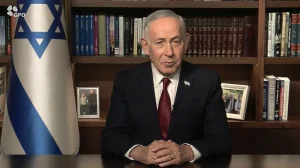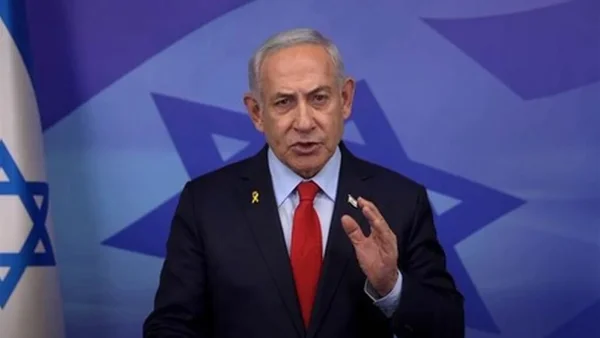
Just before Nowruz, Benjamin Netanyahu released a video for Iranians, recalling Chaharshanbe Suri, the Festival of Lights. He wished the Iranian people a “year of freedom” and said “light will triumph over darkness,” while Israel and Iran continue to have more and more trouble with each other.
Content of the video message
Netanyahu spoke directly to what he called “the brave people of Iran,” and spoke in English, with the words appearing as subtitles in Farsi. He talked about Chaharshanbe Suri and Nowruz, connecting the ancient festival of fire and starting over with being strong and a moral win.
He described these holidays as representing hope, and said the old Iranian belief that light will beat darkness is still important. He specifically wished Iranians a “happy Nowruz,” and said the new year could be a fresh start, and a “year of freedom.”
Timing and political subtext
The timing of this message is important because Israel and Iranian forces are currently fighting, and Israel has continued to attack things connected to Iran. By speaking to the Iranian public directly, the Prime Minister is again making a difference between the Iranian people and the people who run Iran.
Wishing people a time of renewal during the holiday season definitely has a political meaning. Saying “a year of freedom” can be seen as appealing to everyday Iranians, and also as a signal, in the context of the increasing fighting in the area. and a strategic signal in the context of an intensified regional conflict.
Reaction and controversy around the video
This message came after Netanyahu had been active on social media. Two previous videos he put online caused criticism, with people saying some of the footage had been changed or even made by artificial intelligence. This led to even more people looking closely at his recent posts.
Rumors started online about his health, even saying he had died, which led to even more discussion. The Nowruz video, where he spoke for a long time and in public, partly worked to disprove this speculation by showing him speaking directly to people in another country before the Persian New Year.
Threats and escalation from Iranian factions
At the same time, Iran’s Islamic Revolutionary Guard Corps made very strong warnings to the Israeli leader after earlier statements had made tensions higher. These statements increased worries about both sides attacking each other again, and the possibility of more military responses, as both sides continue to use aggressive language.
The fact that a friendly cultural greeting is happening at the same time as harsh threats shows how complicated communication is during a war. Cultural diplomacy and appealing to symbols exist alongside real military displays, and this makes for a very unstable environment of information.
Implications for public diplomacy and regional stability
The video shows how leaders use cultural events and holidays to create stories and affect people in other countries. Nowruz and Chaharshanbe Suri are very important symbols to Iranians, and using them can have an emotional effect outside of normal diplomatic ways of communicating.
However, these messages can also make political debate within both countries more heated. Israeli politicians might be trying to lessen support for extreme policies by speaking to Iranians directly, but others think it risks making complicated political situations seem too simple.
Outlook and what to watch next
We should pay attention to several things: how both governments word future messages, if anything changes with the actual fighting on the ground, and how stories on social media change in relation to being real or created by AI. What countries say publicly, what they do in the real world, and false information online are all now linked together in the competition to have influence.
As Nowruz gets closer, using symbolic language and references to culture will probably continue. Whether Iranians believe "light will triumph over darkness” will depend on what happens in politics, any security issues, and how trustworthy the different stories going around the area are.