In a move that reorders the field before what could be a defining social media trial, Google has made a quiet settlement with a Florida teen over his claims of being hooked on YouTube. The details are under wraps, but come next month the case will be up against the likes of Meta, TikTok and Snap.
“This matter has been amicably resolved and our focus remains on building age-appropriate products and parental controls that deliver on that promise,” says Google’s Jose Castaneda. In effect, the deal keeps YouTube out of the hot seat and lets its competition have it out with a jury.
Why this settlement matters
Getting out in time means Google won’t have to go through with a second test trial in California meant to see if design is to blame for teens’ compulsive habits. For the others, the odds have shifted: they face a jury with no one from YouTube at the defence table to back them up.
You can see why juries are so important. Back in March, one panel called some of these companies out for negligence and put a $4.2 million tab on Meta and $1.8 million on Google. And in an earlier round, the same jurors handed $6 million to a 20-year-old from California, holding Meta and YouTube to account for some of the damage. A judge has since put the kibosh on any attempt to unmake that ruling.
The claims at the centre
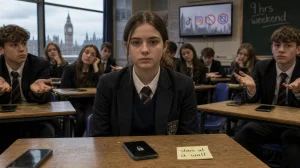
R.K.C., the young man in this case, says that the kind of features you see on the app were meant to keep him there, and in doing so made his mental health worse – he points to anxiety and not being able to sleep. Things like autoplay and the never-ending scroll are what he and other plaintiffs say are used to hold on to a younger audience, something they claim the companies are well aware of.
Google would have it another way. They don’t think YouTube was cobbled together without care and will point to over 10 years of safety work, like the 2015 launch of YouTube Kids. The settlement isn’t an admission of any kind, but it does take the near-term risk off the table.
Here is how the two sides see it:
– Plaintiffs: the way you build a product is what gets kids over-involved
– Platforms: we have the tools and kid-friendly apps to handle it
– Plaintiffs: they’ve known for a long time how to keep youth on board
– Platforms: we’ve been putting in more and more safeguards
Litigation landscape and next steps
There is no shortage of lawsuits. Tally up the 3,300 or so in California state court and 2,600 in federal, and you get a sense of the scale. From single litigants to whole states, everyone is trying to make a case for platform responsibility.
A school district in Kentucky just made a deal with all four of the big names after asking for some changes to their designs. Then there is a big one from a group of US states against Meta that is set to start in August, so the heat is on for the rest of the year.
As for R.K.C.’s case, it is on for July 27th in L.A. with Meta, TikTok and Snap in the crosshairs. Expect the proceedings to dig into the reasoning behind some of the design and how well the parental controls actually work.
Implications for competitors
Now that YouTube is out of the picture, the eyes are on Meta, which has had a hard time of it. A New Mexico jury made them write a $375 million check last week for not being straight with users about child safety. That kind of number is hard to ignore when you’re in the middle of a trial.
What to watch for:
– The jury’s take on things like infinite scrolling
– If any inside papers change the story on who is at fault
– Whether we see any new guardrails or product tweaks after the fact
– Any word on settlements from the ones left in the ring
Google has nipped a potential problem in the bud, but the bigger issue is still out there. With thousands of open cases in U.S. courts, the question is the same: at what point does good design become a harm to young people? We’ll have our first look at an answer on July 27th.