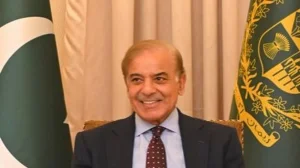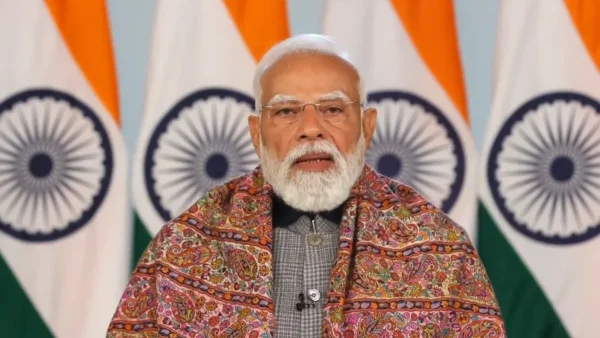
You could call it a diplomatic opening. On June 24, 2026, PM Narendra Modi put in a call to Armenian PM Nikol Pashinyan to put in a word of thanks for what was done to evacuate Indians left in Iran. It was more than just about the immediate relief, though; it was part of a plan to put the two countries’ ties on a higher plane.
Armenia’s part in getting Indians to safety
With West Asia rife with tension, the government has been working with its neighbours to keep people out of the line of fire. Back in April, for instance, we were able to bring 1,777 of our own back from Iran, no small feat without the help of the authorities in Armenia and Azerbaijan.
The numbers tell you where Armenia has been. The Ministry of External Affairs says 1,200 have been out of there, 845 of them students. Most of them – 996 to be exact – came through to Armenia, with 204 going to Azerbaijan for further help.
It shows what you can do when you have a working arrangement with Yerevan and Baku. When the usual channels are clogged up by the crisis, they make for dependable ways to get people out.
What was put on the table during the call
New Delhi and Yerevan made it clear that what they are doing now is only the start of a longer engagement. The two leaders put their weight behind a deeper partnership and keeping the lines of communication open.
They were insistent on the value of face-to-face meetings at the top to put some life into the relationship and get new things off the ground. They also went over how to work together, whether in a bilateral or multilateral setting.
In short, here is what you need to know from the conversation:
– A thank you for the evacuation from Iran
– A pledge to build a stronger, multi-faceted partnership
– An emphasis on the big three: trade, defence, technology
– And not to forget the human side of things, in education and beyond
Where the focus is and the reason for it
Trade, defence and technology are where the leaders see the most to be had, and they see a link between trust and results. But they also made room for the economy, high tech, and culture, because in the end, a solid relationship is built on the exchanges between ordinary people.
For an Indian in West Asia, be he a student or a professional, this kind of alignment means there will be less red tape and more support when a crisis calls for it.
Some politics and well-wishes
There was a political side to the call as well. Modi extended his congratulations to Pashinyan and the Civil Contract Party on their win in parliament. The early returns had them in first place with nearly 50% of the vote, which only goes to confirm Pashinyan’s standing on the world stage.
Pashinyan was quick to return the courtesy, hailing Modi as the longest-serving PM in the country’s history. It was a friendly way to set the scene for what is to come.
The official word on it
Modi let on after the fact that he had made his thanks and his congratulations known to Pashinyan for the role he played in the evacuations in the wake of the recent trouble in West Asia. He also put it out there that both sides are in for some new heights in their relations.
We’ve seen before that once our people get to Armenia or Azerbaijan, they are taken care of. It’s a matter of having a plan that works across the board.
Why it is of note today
When you are moving people, you want to be sure and you want to be fast. Armenia has provided that, and it has let us get citizens out of Iran and on their way even when the security picture is up in the air.
By tying in the hand of immediate help with a larger vision, New Delhi and Yerevan are making a habit of this kind of cooperation. You can bet it will mean quicker responses next time around, and a bit more in the way of everyday dealings.
Now it is a case of putting it into practice. With some high-level visits in the offing and a few roadmaps in hand, both are in a position to make something of the goodwill and see to it that people are protected and opportunities are made available.