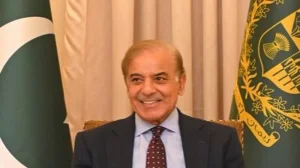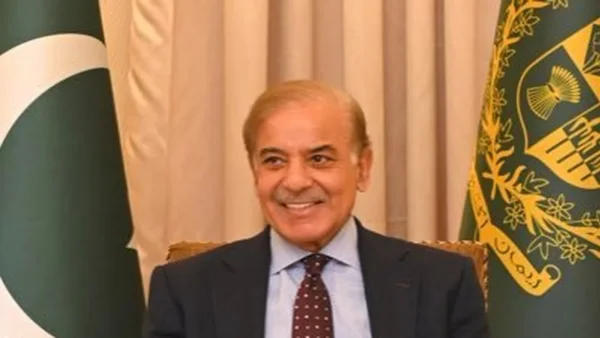
There is new impetus behind the push to put out the fires between Iran and the US. On Wednesday, the prime minister made it clear he is hopeful for a finalised accord in the near term. He put it in the context of an economic opening for the area: a deal that is done with honour and dignity for Iran and has a reach far beyond its own frontiers.
Why Pakistan is pushing for calm
For Sharif, there is a straight line from de-escalation to prosperity. A stable environment, he says, is what will let Iran and the rest of the region tap into their real economic potential. As a neighbour and a brotherly nation, he was at pains to reiterate that Islamabad will be there for Tehran.
An official statement has it that he also put in a word of solidarity with Iran for the lives lost in the current crisis. The two leaders are set to keep in close touch as the work on the ground goes on.
What Tehran had to say to Islamabad
It was President Masoud Pezeshkian who put in a call for Eid-ul-Adha, and he took the opportunity to put in a good word for Pakistan and Field Marshal Syed Asim Munir in the quest to put the region back on an even keel. He was also appreciative of the kind of support you see from countries like Saudi Arabia, Qatar and Turkiye.
Sharif was pleased by the recognition and gave due credit to the field marshal for his unflagging work for peace. The bottom line from the prime minister is that once we have our peace, there is a fine future ahead for both of us.
Military diplomacy in focus
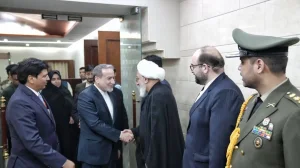
You can see the military-to-military track being used as a tool of sorts. Field Marshal Munir was in Iran for a few days last Saturday to sit down with the top brass and try to put an end to the row with the US.
In Islamabad’s view, this is no substitute for what the civilians are doing but rather part of a wider move to steady the nerves and smooth over some of the fault lines in the neighbourhood.
Eid outreach and symbolism
They were on the phone for some 30 minutes, trading Eid wishes for the people of both sides and the Ummah. Later, on social media, Sharif noted he had put in some warm words to his friend and “dear brother”, Dr Pezeshkian.
He put it in writing that the Iranian president was well aware of the efforts being made here and of the part the field marshal has to play, not to mention the help from our neighbours in the Gulf and Turkiye.
What comes next
The hope is to see these talks bear fruit in an agreement that will stand the test of time, one that allows for some proper regional co-operation. His office is touting the prospect of a deal as a way to get the economy moving and connect borders, provided Iran is treated with the respect it is due.
Here is what to look out for in the coming days:
– Hints on when a deal might be put to bed
– Ongoing back-and-forth between the two capitals
– Some show of support from the likes of Saudi Arabia, Qatar and Turkiye
– Envoys, be they political or from the military, making follow-up trips
Why it is more than just talk
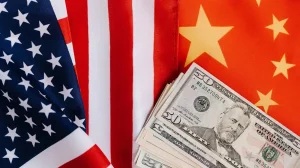
If you get a lasting understanding between Iran and the US, you cool things down in a very sensitive part of the world and give investors a bit of certainty. For a country like Pakistan, with such deep ties to Iran, less friction means room to do some trade, work on energy and have a more secure border.
So it is as much about hard realities as it is politics. Islamabad is putting its money on the idea that a little Eid diplomacy and some hand-holding at the military level can steer this to a conclusion. We will have to see if the word from Washington and Tehran makes it worth the while.